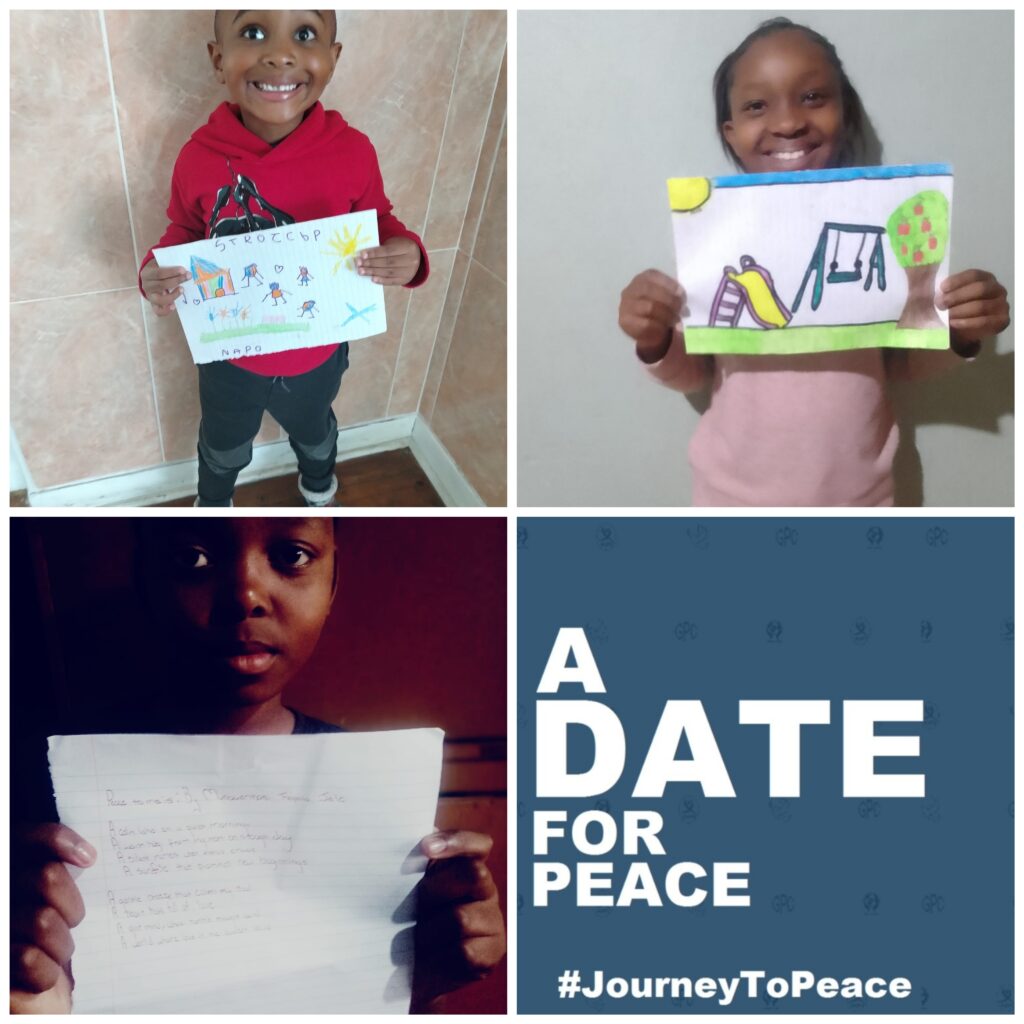
Peace is often discussed in conferences, policy debates, and diplomatic dialogues. Yet some of the most powerful expressions of peace emerge not through speeches, but through creativity. Art has long served as a universal language—one that transcends age, culture, and barriers of communication. Recognizing this, the Global Peace Chain (GPC), with the support of Lerato Maris, a Global Peace Chain Ambassador from South Africa, introduced a transformative initiative—Peace by Visual Arts—a movement that invites children, youth, and communities to express their understanding of peace through creativity rather than words.
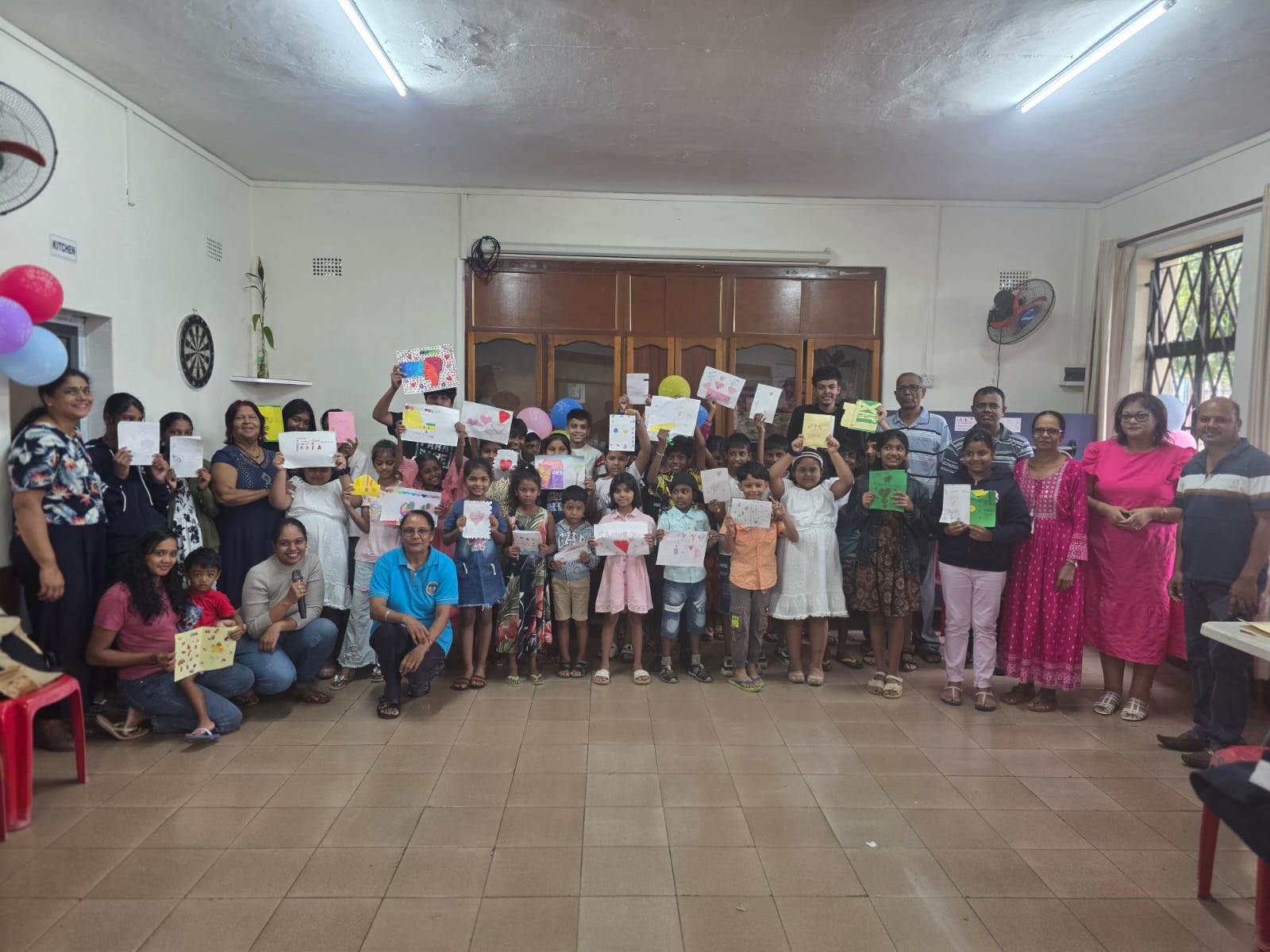
More than just an artistic activity, this initiative evolved into a meaningful journey of advocacy, engaging civil society, youth, and children aged 3 to 18. With the encouragement of parents, participants were asked a simple yet profound question: What does peace mean to you?
For many children—especially the youngest—expressing such abstract ideas through words can be difficult. Visual arts and drama, therefore, became powerful alternatives, enabling them to communicate emotions, ideas, and values through imagination and creativity.
As Pablo Picasso once said:
“Every child is an artist. The problem is how to remain an artist once we grow up.”
This initiative gave children the space to do exactly that—to remain artists, and in doing so, become ambassadors of peace.
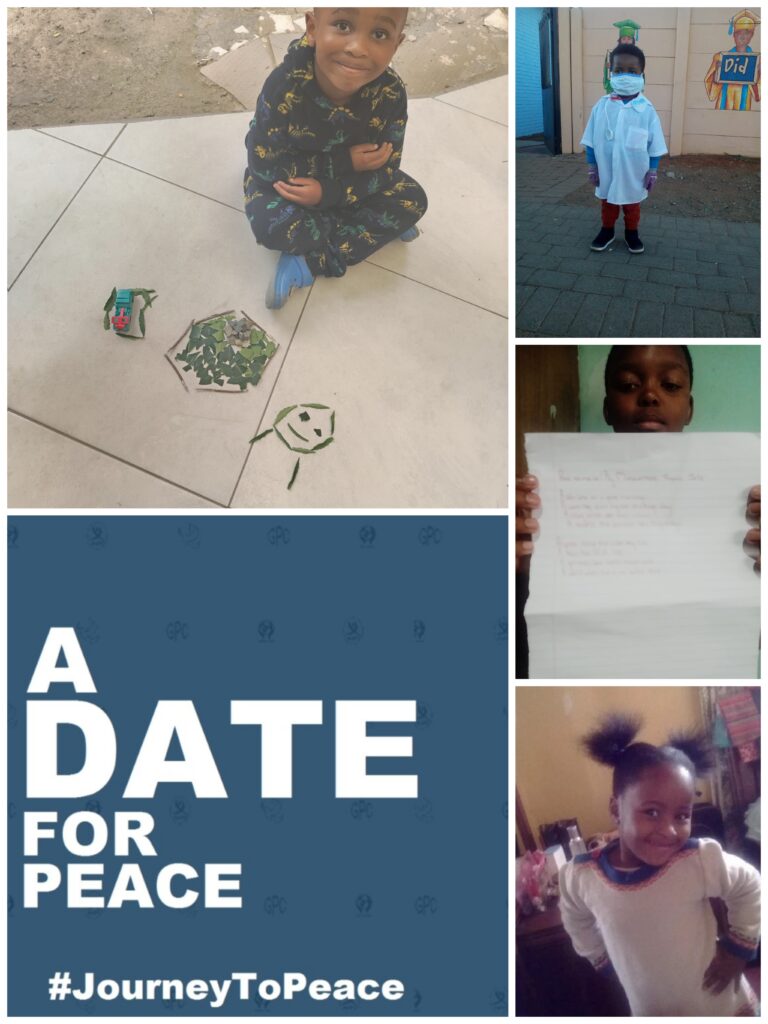
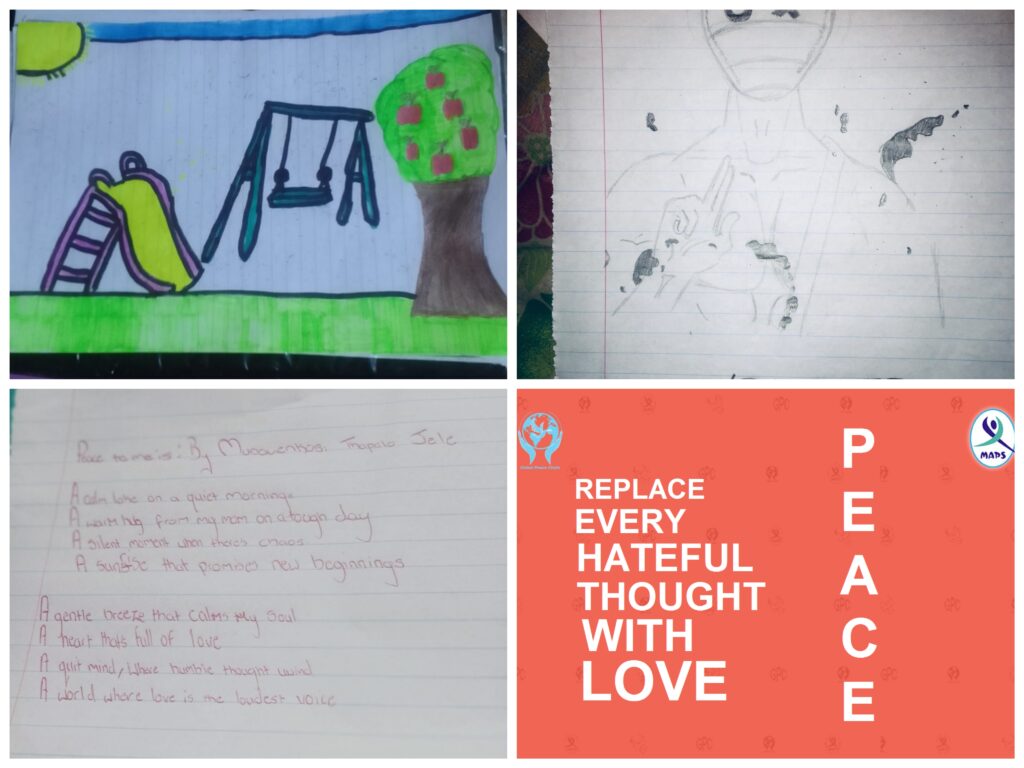
The youngest participants—toddlers—demonstrated that peace can be felt even before it is spoken. Using bright colours, simple drawings, and natural materials, they created images that reflected happiness, calmness, and safety.
Nature appeared as a recurring theme in their artwork—trees, sunshine, rivers, and flowers. Some children even used sticks and leaves, turning their surroundings into creative tools. For them, peace existed in the harmony between humans and the environment.
Their use of colour carried emotional depth: blue for calmness, green for growth, and yellow for warmth and joy. Even at such an early age, these children revealed how deeply emotions are connected to visual expression.
Research by UNESCO supports this connection, highlighting that children engaged in artistic activities develop stronger emotional awareness and empathy—key elements in building peaceful societies.
Art as Identity: Juniors and Teens Redefine Peace
Among junior participants and teens, peace became a powerful form of identity and self-expression.
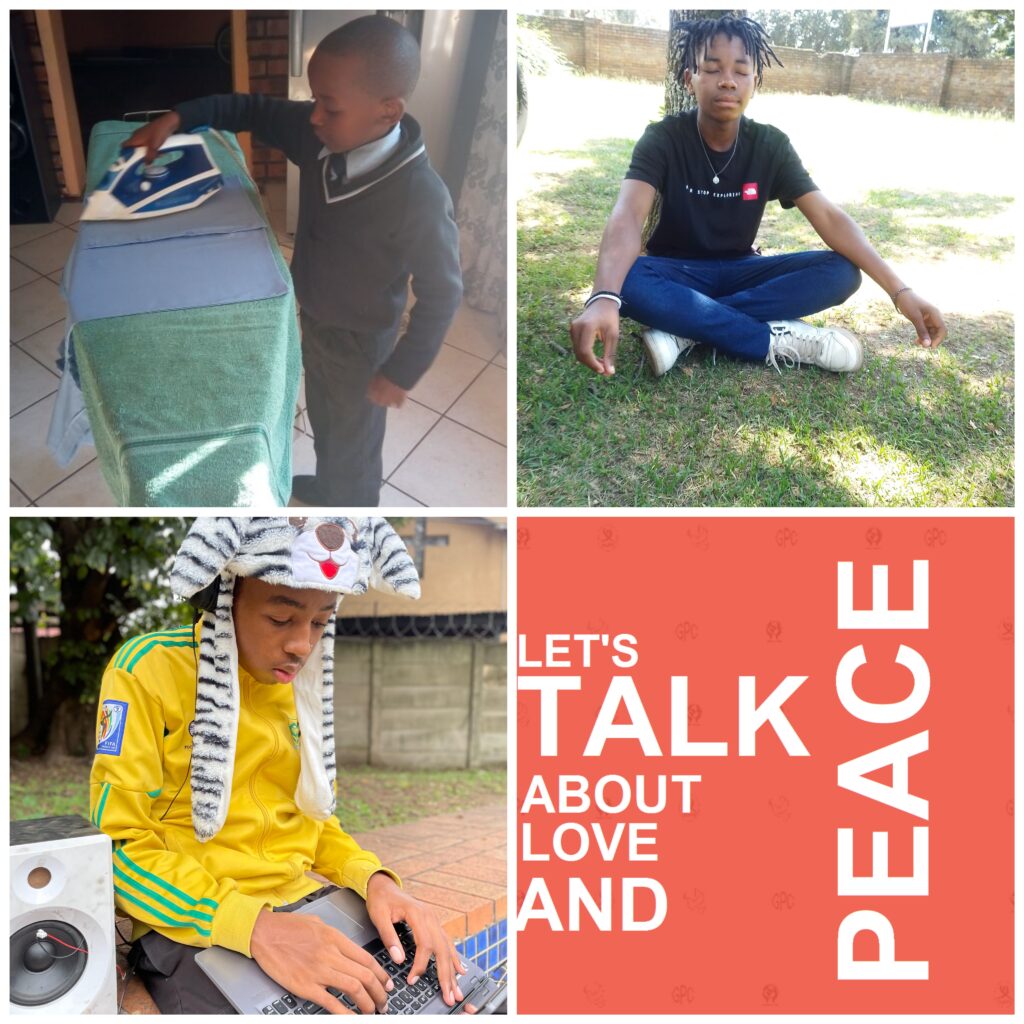
Many moved beyond drawings, using costumes and role-play to visually communicate their ideas. One participant dressed as a doctor, symbolizing healing as a pathway to peace. Another focused on self-care and self-love, emphasizing that peace begins within the individual.
Teenagers explored deeper emotional dimensions. One portrayed meditation, highlighting inner balance and mindfulness. Another combined music and nature, showing how creativity and environment together nurture personal harmony.
According to the World Health Organization, a significant number of adolescents globally face mental health challenges. Initiatives like Peace by Visual Arts offer meaningful outlets for emotional expression, helping young individuals better understand themselves and their world.
As Mahatma Gandhi wisely said:
“Peace is not the absence of conflict, but the ability to cope with it through creative means.”
Through their work, these young participants brought this idea to life.
Older teen participants approached peace with maturity and thoughtful insight.
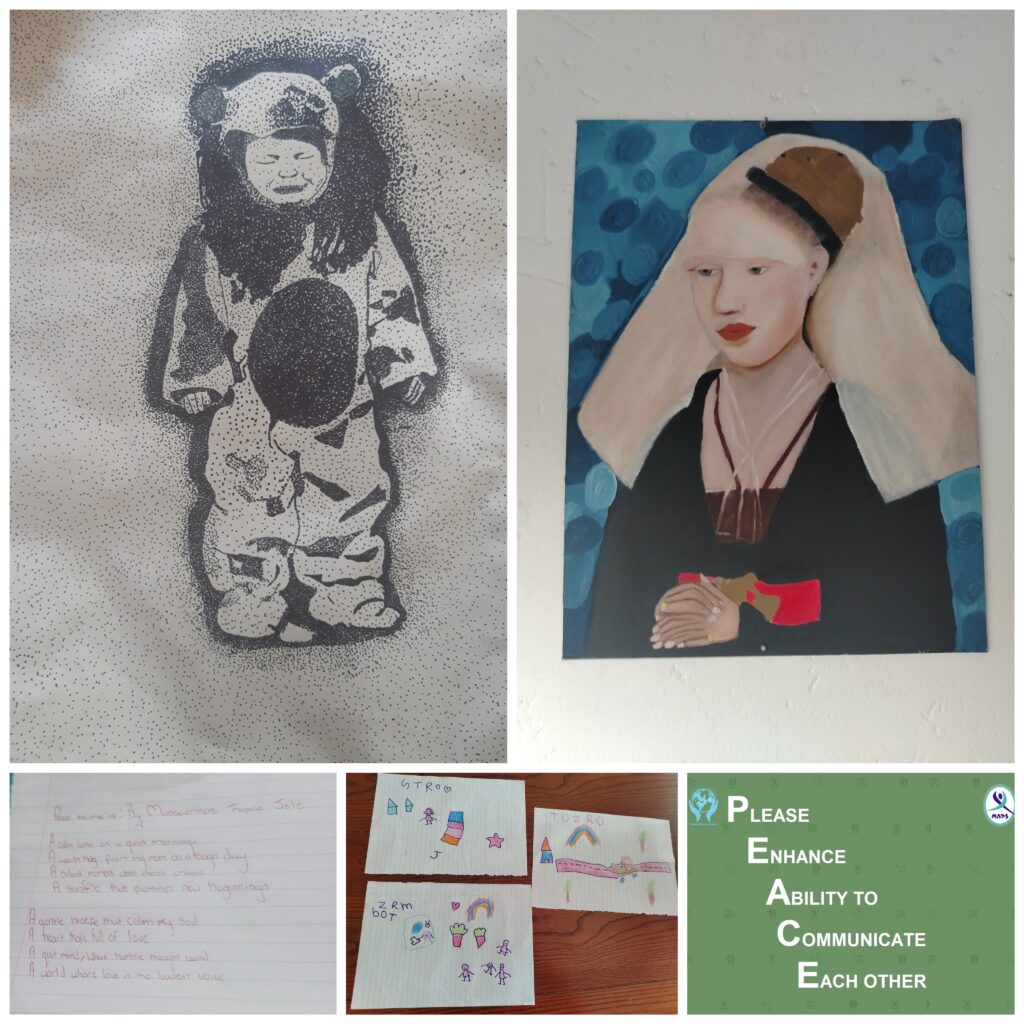
For many, peace was closely linked to education, responsibility, and personal growth. One participant illustrated how education leads to stability, emphasizing that knowledge empowers individuals to create peaceful societies.
Another depicted a balance between academic life and household responsibilities, showing that discipline and mutual respect within families are also forms of peace.
Others expressed peace through poetry and academic achievement, viewing creativity and intellect as tools for spreading harmony.
According to UNICEF, education plays a crucial role not only in economic development but also in reducing conflict and strengthening communities.
Peace, in this sense, begins with awareness—and grows through learning.
Adult participants brought a broader, cultural perspective to the concept of peace.
They chose dance as their medium, using rhythm and movement to express unity, joy, and collective harmony. As one of the oldest forms of storytelling, dance became a bridge connecting tradition with modern expressions of peace.
Through shared cultural expression, participants demonstrated how communities can come together, strengthening bonds across generations.
As Maya Angelou beautifully stated:
“We all should know that diversity makes for a rich tapestry, and we must understand that all the threads of the tapestry are equal in value.”
Their performances reflected this idea—peace as a shared, living experience.
Each participant—whether a child, a teenager, or an adult—brought a unique perspective on peace, shaped by personal experiences and emotions. Yet, across all these expressions, a powerful common thread emerged.
Peace, at its core, is rooted in three interconnected forms of love:
• Love for oneself
• Love for the environment
• Love for humanity and the world
Through colours, music, poetry, nature, and cultural expression, participants showed that peace is not confined to dialogue or diplomacy—it is something we consciously practice in our everyday lives.
The Peace by Visual Arts initiative highlights the transformative power of creativity in peace advocacy. When individuals—especially children—are encouraged to express themselves through art, they develop empathy, confidence, and a deeper connection with others.
This impactful activity was led with the support and inspiration of Lerato Maris, a Global Peace Chain Ambassador from South Africa, whose dedication to community-driven peacebuilding reflects the truly global spirit of the Global Peace Chain.
Studies show that arts-based community programs significantly increase civic engagement among youth, promoting leadership, collaboration, and social awareness. By bringing together different age groups, such initiatives also strengthen intergenerational understanding—an essential foundation for sustainable peace.
Because sometimes, the most powerful messages of peace are not spoken.
They are painted.
They are performed.
They are felt.
Peace, after all, is not only something we talk about.
It is something we create—together.