Peace is often imagined in formal settings—conference halls, policy discussions, and global negotiations. It is associated with diplomacy, dialogue, and decision-making at the highest levels. Yet, some of the most meaningful foundations of peace are built far away from these spaces—in everyday environments where people connect, interact, and share experiences.
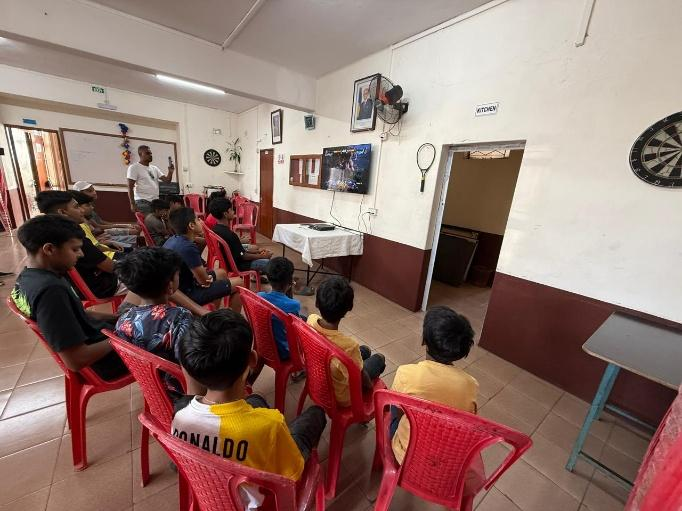
For young people, especially during school holidays, these moments of connection become even more important. With increased free time and fewer structured activities, the need for safe, engaging, and positive spaces becomes essential. Recognizing this, the Global Peace Chain (GPC) Mauritius Chapter organized a School Holidays – PlayStation Tournament on April 18, 2026, at the CDA / M.S.A Community Centre in the Republic of Mauritius.
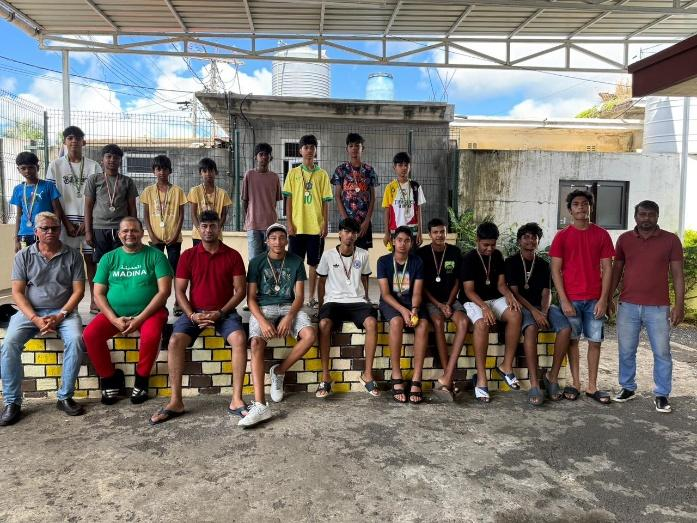
This impactful initiative was further strengthened by the leadership and guidance of Yugesh Bundhoo, Country Director of Global Peace Chain Mauritius, whose commitment to youth engagement and community-driven peacebuilding reflects the organization’s vision of creating inclusive, safe, and empowering spaces for young people.What may seem like a simple gaming event was, in reality, a carefully designed initiative aimed at youth engagement, community building, and positive social impact. Bringing together 87 participants between the ages of 8 and 17, the tournament transformed an ordinary holiday into an experience filled with excitement, connection, and purpose.
In today’s digital age, gaming is often viewed as an individual activity—something that isolates rather than connects. However, this initiative challenged that perception by turning gaming into a shared, interactive experience.
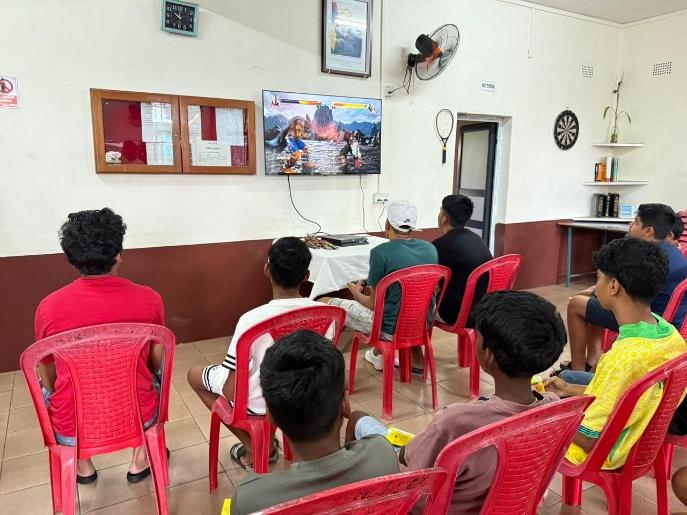
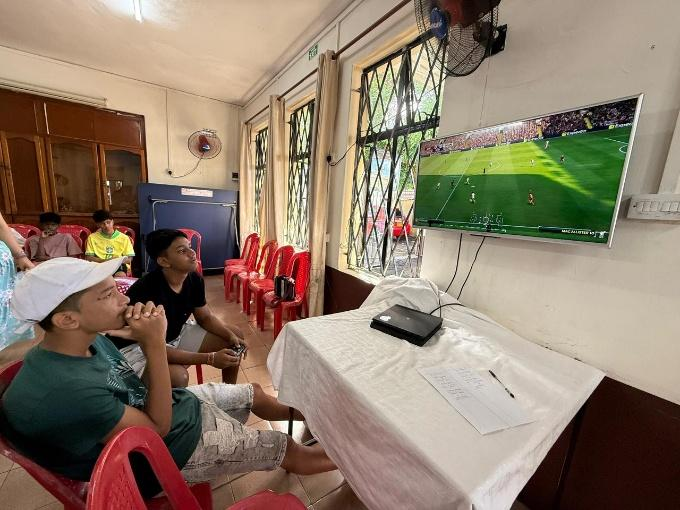
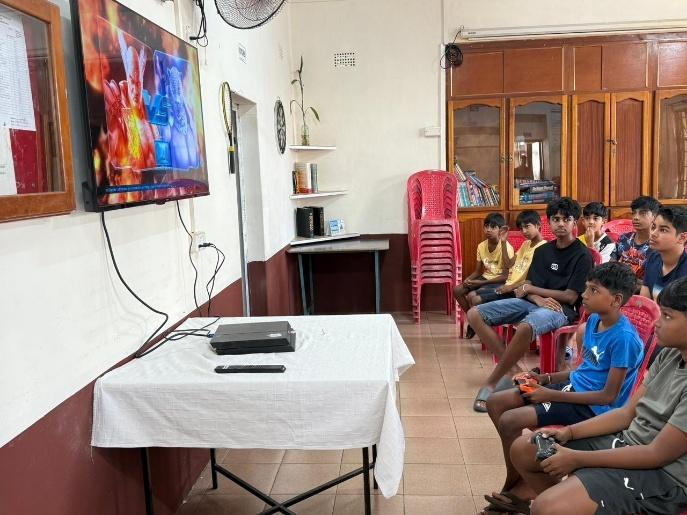
Instead of playing alone at home, participants came together in a lively, supervised environment where they could engage with one another directly. The PlayStation tournament created a setting where screens no longer separated individuals but brought them closer.
This shift—from isolation to interaction—was one of the most powerful aspects of the event. It demonstrated that when guided effectively, digital platforms can become tools for connection, collaboration, and positive engagement.
School holidays can often be a double-edged sword. While they offer rest and relaxation, they can also lead to unstructured time that, if not managed well, may expose young people to unproductive or even harmful influences.
This initiative addressed that challenge by providing a safe, inclusive, and well-organized space where participants could spend their time constructively. The environment was carefully supervised, ensuring that every participant felt secure and supported.
Gaming, in this context, became more than just entertainment. It became a medium through which young individuals could channel their energy, focus their attention, and engage in something meaningful.
By creating such structured opportunities, the initiative highlighted the importance of guided engagement in youth development.
As the tournament began, the atmosphere quickly filled with energy and excitement. Participants gathered around screens, focused on their matches, yet equally aware of the people around them.
What started as competition soon evolved into connection.
Players interacted with one another, shared strategies, celebrated victories, and supported each other through losses. The competitive spirit remained strong, but it was balanced by a sense of respect and camaraderie.
For many participants, this was more than just a gaming event—it was a social experience. New friendships were formed, conversations flowed naturally, and a sense of belonging emerged.
In a world where digital interactions often replace face-to-face communication, this event brought people together in a meaningful way. It showed that even in a gaming environment, human connection remains at the heart of the experience.
While the energy and enthusiasm of the participants were evident throughout the day, the success of the PlayStation Tournament was also reflected through clear and measurable outcomes.
The event welcomed 87 active participants, achieving a strong attendance rate of over 85% of registered students. This level of participation highlighted the relevance and appeal of the initiative within the community.
In addition to strong attendance, the event ensured diverse representation, with a healthy mix of both new and returning participants. This inclusivity created a dynamic environment where different individuals could come together, interact, and learn from one another.
Engagement remained consistently high throughout the tournament. Participants actively took part in multiple matches, maintaining enthusiasm and involvement from the beginning until the final round. This sustained engagement demonstrated the effectiveness of the event in capturing and holding the interest of young individuals.
Feedback from participants further reinforced this success, with satisfaction levels averaging 4 out of 5 or higher. Many expressed their enjoyment of the event and showed a strong willingness to participate in similar initiatives in the future.
Beyond participation and engagement, the social impact of the event was particularly significant. A majority of participants reported forming new friendships and engaging in meaningful interactions, turning the tournament into a platform for social connection rather than just competition.
Equally important was the environment in which the event took place. The tournament maintained a 100% incident-free setting, ensuring the safety and well-being of all participants. This was supported by smooth coordination, timely scheduling, and minimal technical disruptions, allowing the event to run seamlessly from start to finish.
Together, these indicators highlight not just a successful event, but a well-executed initiative that effectively combined participation, engagement, and positive social outcomes.
Positive Engagement: Redirecting Energy Toward Growth
One of the most impactful aspects of the tournament was its ability to provide a constructive outlet for young people during the holidays.
Instead of spending time in isolation or being exposed to negative influences, participants were actively engaged in a structured and enjoyable activity. The event gave them a sense of purpose, something to look forward to, and a space where they could express themselves freely.
This kind of positive engagement plays a crucial role in youth development. When young individuals are given the right opportunities, they are more likely to make healthy choices, build meaningful relationships, and develop important life skills.
The tournament demonstrated that even simple initiatives, when thoughtfully designed, can have a profound impact on the lives of young people.
While the primary focus of the event was entertainment, the participants gained much more than just enjoyment.
Through their involvement in the tournament, they developed a range of valuable skills, including:
• Communication skills, through interaction with peers
• Teamwork and collaboration, especially in shared or group settings
• Decision-making and strategic thinking, during gameplay
• Emotional resilience, by handling both wins and losses
These are essential life skills that extend far beyond the gaming environment. They contribute to personal growth, confidence, and the ability to navigate real-world challenges.
By the end of the tournament, the impact was clear—not just in the smiles and laughter, but in the overall experience shared by participants.
The event successfully created a space where young people could come together, engage positively, and enjoy their time in a meaningful way. It combined fun with purpose, ensuring that participants left not only entertained but also enriched.
The positive feedback received from both participants and parents further confirmed the success of the initiative. It reflected the importance of providing safe, structured, and engaging opportunities for youth, especially during periods like school holidays.
Every participant brought something unique to the event—their energy, enthusiasm, and willingness to engage. Together, they created an environment filled with connection, respect, and shared experiences.
This initiative serves as a reminder that peacebuilding is not always about large-scale interventions. Sometimes, it begins with small, meaningful actions that bring people together.
By creating spaces where young individuals feel safe, valued, and connected, we lay the foundation for stronger, more harmonious communities.
Because sometimes, peace begins like this:
In a room filled with laughter.
In a game played with respect.
In friendships formed in the most unexpected moments.
Peace, after all, is not only something we talk about.
It is something we create—together.