Peace is commonly examined within formal diplomatic, political, and policy-oriented frameworks. However, contemporary understandings of peace increasingly recognize its multidimensional nature, extending beyond conflict resolution to include environmental sustainability, psychological well-being, and social cohesion. In this context, a reflective Peace Dialogue on Environmental Impact and Mental Health was conducted under the framework of the Global Peace Chain, offering an inclusive platform for civil society engagement and experiential learning.
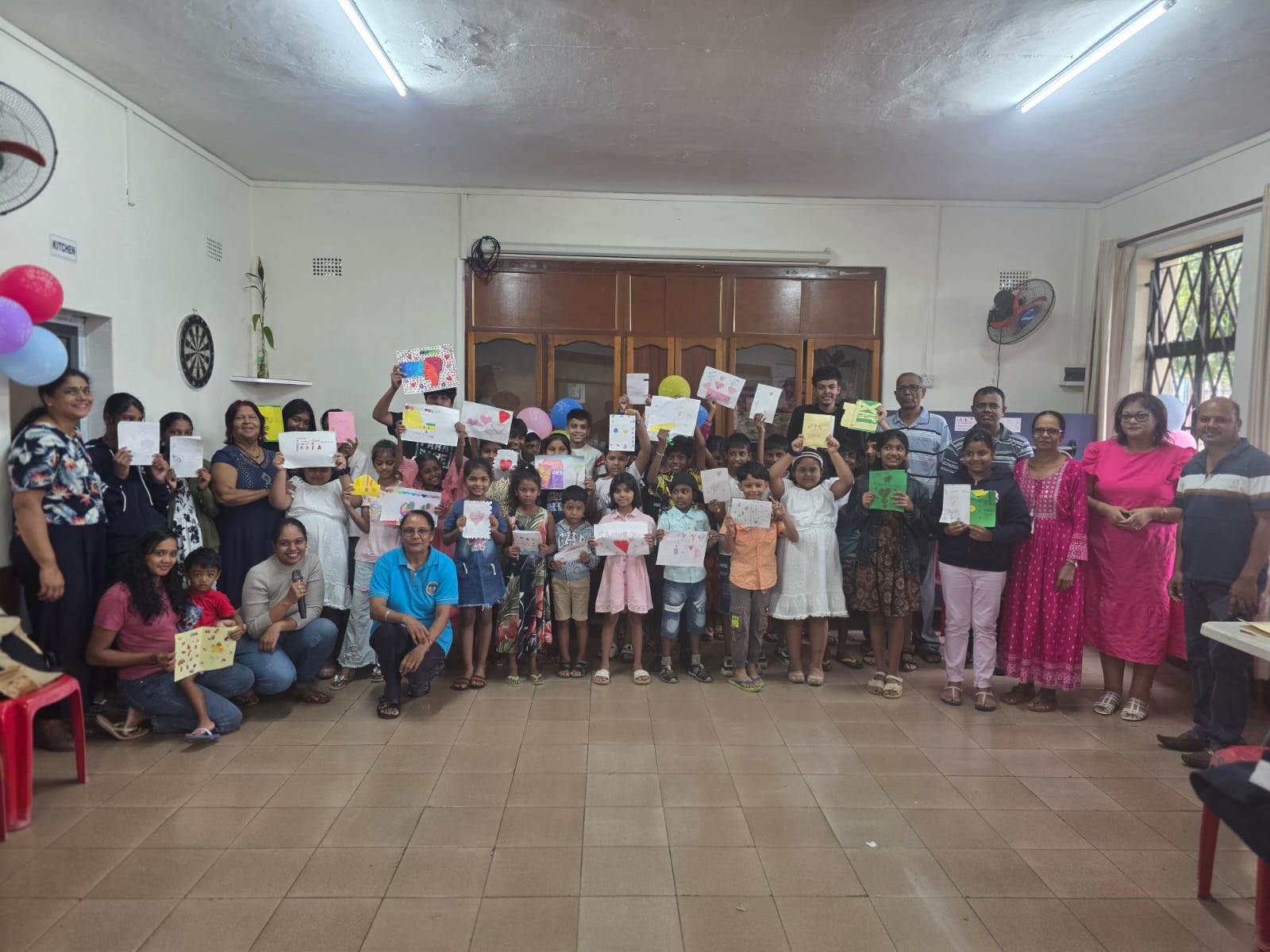
The session was designed as an open and participatory dialogue, engaging individuals from diverse backgrounds without age or demographic restriction. The objective was to explore the intersection between environmental conditions and mental health, and to examine how human interaction with natural spaces influences emotional well-being, resilience, and perceptions of peace.
This initiative was facilitated by Ambassador Lerato Maris, a Global Peace Chain Ambassador from South Africa, whose engagement in community-focused peacebuilding initiatives reflects a strong commitment to advancing holistic and inclusive approaches to peace.
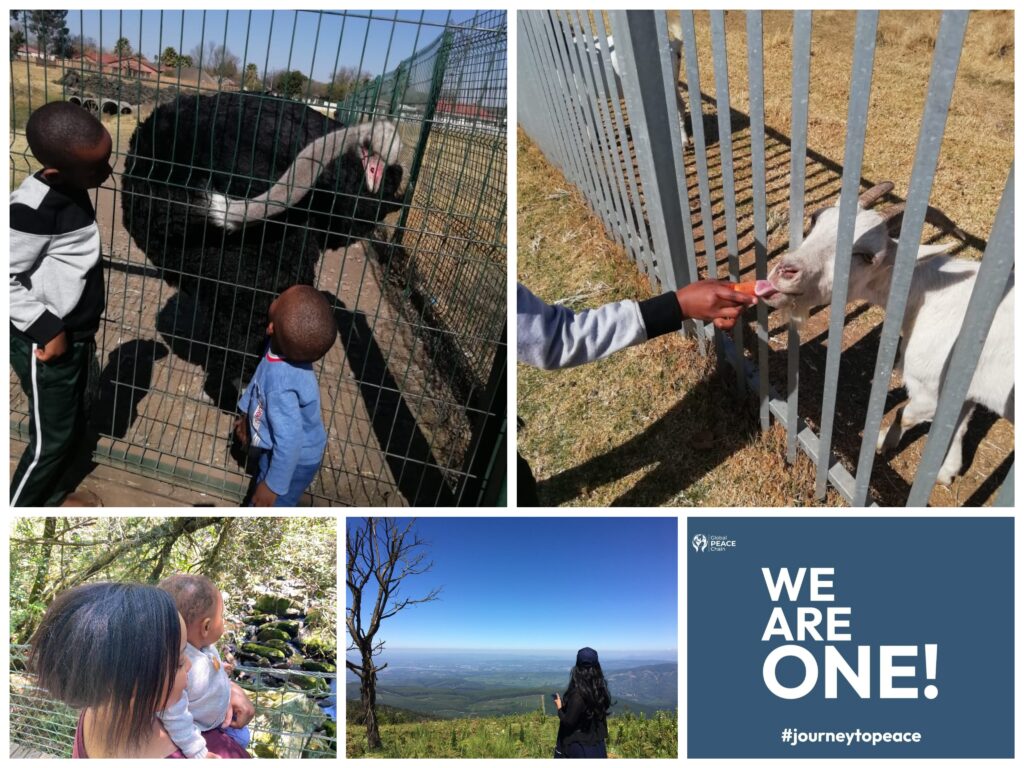
The dialogue began with an exploration of environmental peace, emphasizing the relationship between human beings and nature as coexisting entities within a shared ecosystem. Participants were encouraged to reflect on how environmental settings shape emotional states, behavioural responses, and overall psychological well-being.
Across the discussions, a recurring observation was the influence of natural environments on mood regulation and emotional stability. Several participants identified natural and serene spaces as essential environments for reflection, psychological grounding, and emotional relief. These spaces were consistently associated with clarity of thought, reduced stress, and enhanced mental balance.
A significant dimension of the dialogue involved the voluntary sharing of personal experiences related to mental health and social pressures. Participants reflected on a range of lived realities, including depression, peer pressure, bereavement, motherhood, tribal conflict, and social isolation.
These narratives underscored the complexity of human responses to socio-emotional challenges and highlighted the role of environmental and social contexts in shaping coping mechanisms. While some participants expressed experiences of emotional distress and withdrawal from social interaction, others described pathways of resilience grounded in connection with nature and reflective solitude.
A shared understanding emerged that mental well-being is closely linked to access to calm and restorative environments, which facilitate emotional regulation and cognitive clarity.
Throughout the dialogue, nature was consistently identified as a significant source of emotional grounding and psychological restoration. Participants articulated how natural environments served as spaces of memory, reflection, and interpersonal connection.
Several contributions highlighted the symbolic and emotional significance of natural settings, including trees, open landscapes, and communal outdoor spaces, which were associated with personal histories, relationships, and moments of transition across life stages. These reflections reinforced the understanding that human experiences are deeply embedded within environmental contexts.
Furthermore, participants emphasized the importance of environmental conservation, framing it not only as an ecological responsibility but also as a necessary condition for sustaining mental well-being and intergenerational stability.
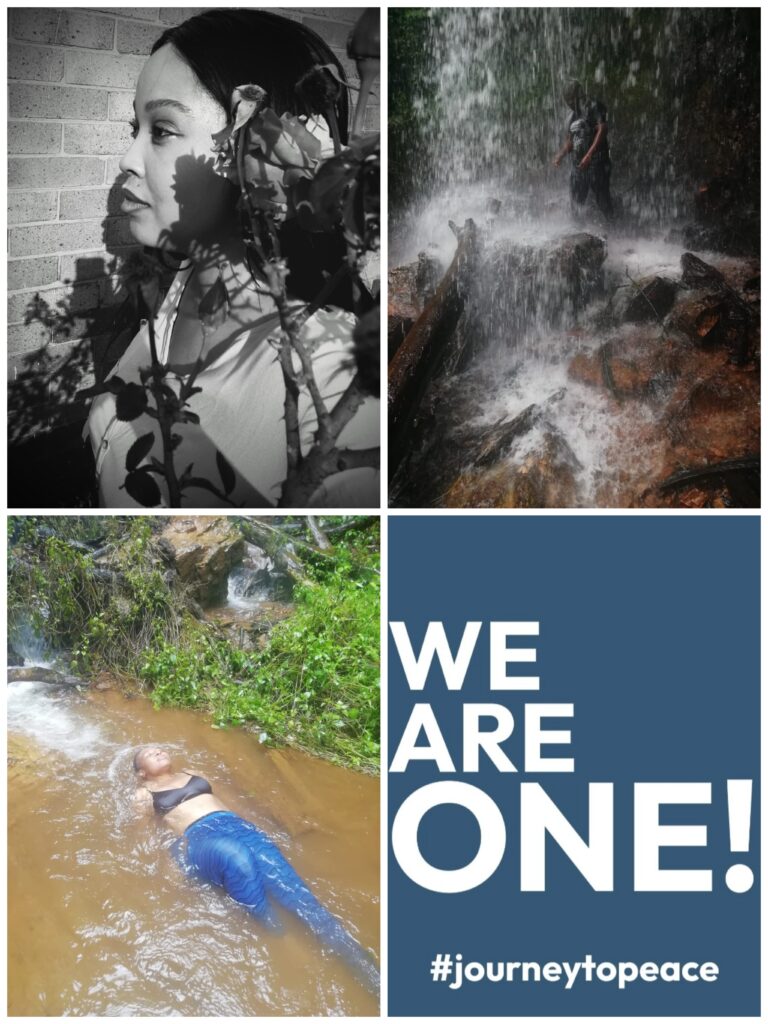
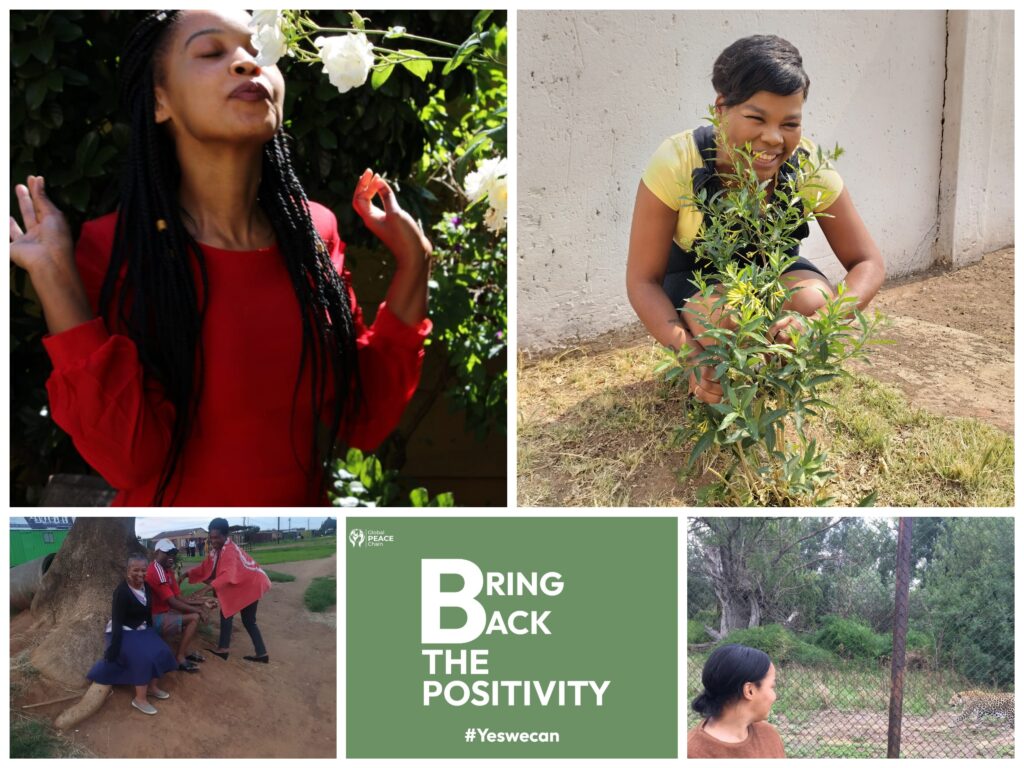
As part of the session, participants were given the opportunity—based on informed consent—to visually represent their experiences and emotional reflections through imagery. This exercise provided an alternative mode of expression, enabling individuals to articulate complex emotional narratives non-verbally.
The visual outputs served as interpretive representations of personal journeys, illustrating themes of resilience, healing, and emotional progression. Many participants noted that the process of translating lived experiences into visual form facilitated introspection and enhanced self-awareness regarding their psychological and emotional development.
This component of the initiative demonstrated the value of creative methodologies in peace and mental health discourse, particularly in enabling reflective engagement with sensitive or complex experiences.
Several key thematic outcomes emerged from the dialogue:
These findings collectively reinforce the understanding that environmental conditions and mental health are interdependent factors within broader peacebuilding frameworks.
The Peace Dialogue on Environmental Impact and Mental Health contributed to a more comprehensive understanding of peace as a multidimensional construct encompassing environmental integrity, psychological well-being, and social inclusion. It highlighted the importance of creating inclusive platforms where individuals can engage in reflective dialogue and share lived experiences in a safe and structured environment.
The initiative reaffirmed that peace is not solely the absence of conflict, but also the presence of conditions that support human dignity, emotional stability, and ecological balance. In this regard, environmental sustainability and mental health emerge as integral components of long-term peacebuilding strategies.
Ultimately, the dialogue underscores a fundamental principle:
Peace is sustained when individuals are able to coexist harmoniously with one another and with nature, within environments that nurture both psychological well-being and ecological responsibility.