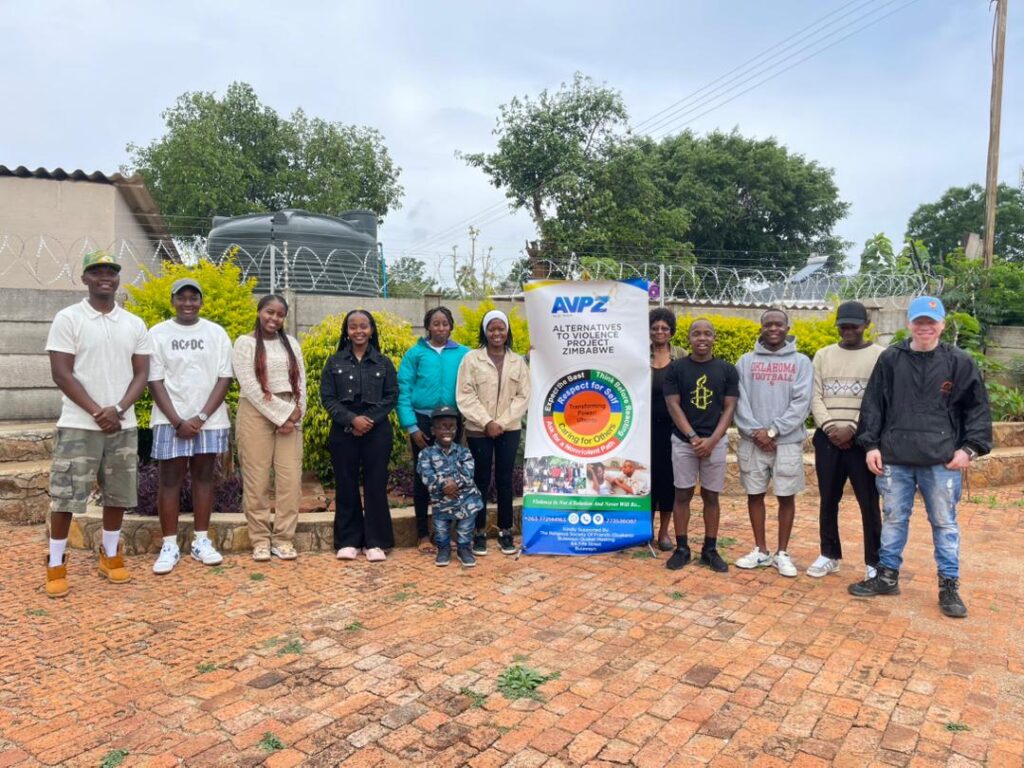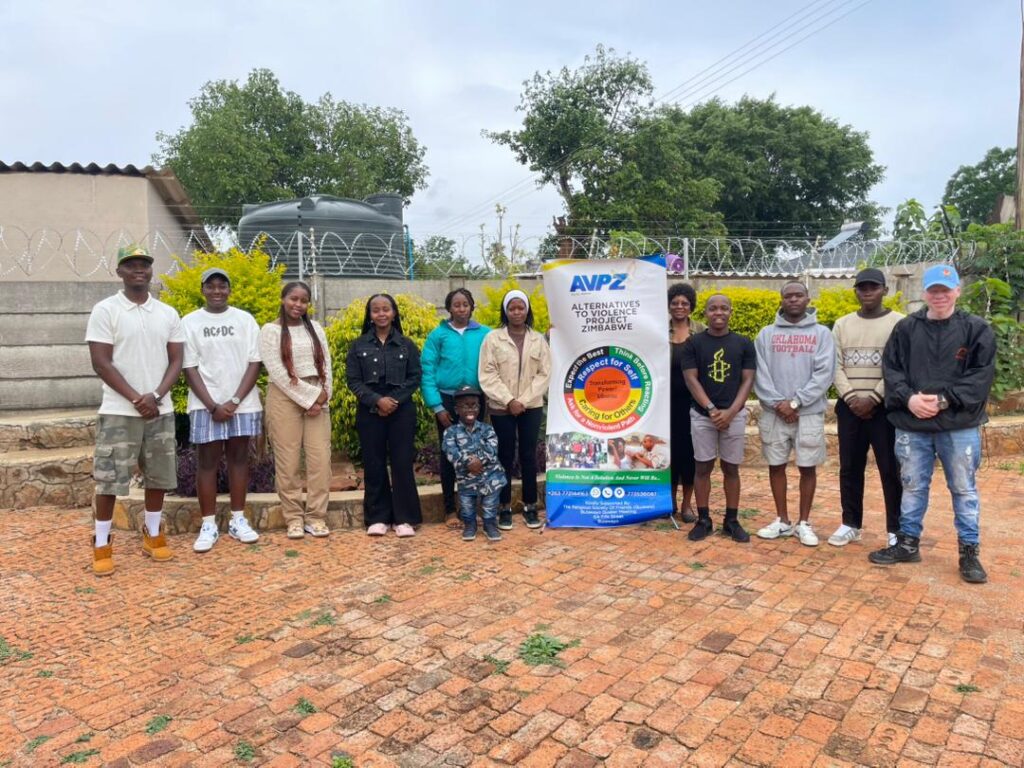
On 15 April, a timely and impactful dialogue on the intersection of mental health and peacebuilding was convened under the Thuma Mina initiative in Bulawayo, Zimbabwe. The seminar was organized by Global Peace Chain Zimbabwe, under the leadership of Alwande Moyo, Country Director of Global Peace Chain Zimbabwe, in strategic collaboration with State of Youth Bulawayo and Alternatives to Violence Project Zimbabwe.
The session brought together over 25 young participants, creating a structured platform for dialogue, reflection, and capacity-building on mental health as a critical component of sustainable peace. The initiative was designed to strengthen youth understanding of emotional well-being, conflict transformation, and community resilience within the broader framework of peacebuilding.
The seminar reaffirmed an increasingly recognized principle in global development discourse: sustainable peace cannot be achieved without addressing mental health and psychosocial well-being at the community level.
In contemporary peacebuilding practice, increasing attention is being given to the role of psychosocial well-being in shaping social stability and cohesion. Emotional distress, trauma, and unresolved psychological challenges are widely acknowledged as contributing factors to interpersonal and community-level conflict.
Within this context, the Thuma Mina Mental Health and Peacebuilding Seminar was conceptualized to explore the linkages between mental health and peace, particularly among youth populations who often experience heightened exposure to socio-economic pressures and emotional vulnerability.
The initiative aimed to move beyond conventional peace discourse by integrating mental health awareness as a foundational pillar of conflict prevention and social harmony.
As articulated by the World Health Organization:
“There is no health without mental health.”
This principle formed a guiding framework for the seminar’s discussions and learning outcomes.
The primary objectives of the initiative were structured as follows:
These objectives were aligned with broader efforts to promote inclusive, community-driven approaches to peace and development.
The seminar adopted an interactive and participatory methodology, ensuring active engagement from all attendees. Rather than a purely lecture-based format, the session was structured to facilitate dialogue, reflection, and experiential learning.
Participants engaged in guided discussions addressing key themes such as emotional regulation, stress management, trauma awareness, and the role of communication in conflict escalation and resolution.
Facilitators introduced practical frameworks and tools, including:
These tools were contextualized within real-life scenarios to ensure practical relevance and applicability at both personal and community levels.
The seminar emphasized that peacebuilding is not limited to institutional frameworks, but is equally dependent on interpersonal behavior, emotional intelligence, and daily human interaction.
A central focus of the seminar was the recognition that mental health is an integral component of sustainable peacebuilding. Participants examined how psychological distress, if unaddressed, can manifest in forms of social tension, miscommunication, and conflict.
Conversely, emotional well-being was identified as a key enabler of empathy, constructive dialogue, and social cooperation.
The discussions underscored the importance of early intervention, community awareness, and accessible support systems in addressing mental health challenges.
As emphasized in global mental health discourse:
“Mental health is not merely the absence of illness, but a state of well-being that enables individuals to realize their abilities, cope with normal life stresses, and contribute to their communities.”
This understanding reinforced the necessity of integrating mental health considerations into peacebuilding frameworks at all levels.
The philosophy of Ubuntu was a central thematic anchor of the seminar. Expressed through the principle:
“I am because we are.”
Ubuntu provided a culturally grounded framework for understanding interdependence, shared humanity, and collective responsibility.
Participants explored how Ubuntu can inform both mental health awareness and peacebuilding practice by promoting values of empathy, solidarity, and mutual respect.
The philosophy was positioned not only as a cultural concept but as a practical approach to strengthening social cohesion and community resilience.
It was emphasized that individual well-being is inherently linked to collective well-being, and that sustainable peace can only be achieved through cooperative and compassionate human relationships.
As one reflection from the dialogue noted:
“Peace grows where we choose to honour our shared humanity.”
The seminar placed significant emphasis on youth empowerment as a cornerstone of sustainable peacebuilding. Young people were recognized as key stakeholders in shaping inclusive, peaceful, and resilient communities.
Through facilitated dialogue and participatory exercises, attendees were encouraged to reflect on their roles as active agents of change within their respective environments.
The initiative contributed to strengthening youth capacity in:
Participants demonstrated a strong commitment to applying acquired knowledge within their families, educational institutions, and broader communities.
The engagement reinforced the importance of equipping youth not only with knowledge, but with practical skills and psychosocial awareness necessary for constructive civic participation.
An important outcome of the seminar was its contribution to reducing stigma surrounding mental health within community contexts.
Discussions highlighted the persistent challenges associated with stigma, including limited disclosure, lack of support-seeking behavior, and misconceptions regarding mental health conditions.
The seminar provided a structured platform for open dialogue, encouraging participants to view mental health through a lens of dignity, understanding, and normalcy. Participants were encouraged to recognize that seeking mental health support is a responsible and constructive act, rather than a sign of weakness.
This approach aligned with global efforts to promote mental health awareness as a critical component of public health and social development.
The seminar concluded with a series of reflections from participants, highlighting enhanced awareness, strengthened interpersonal understanding, and renewed commitment to peacebuilding.
Key outcomes included:
The overall atmosphere of the session reflected engagement, openness, and a shared commitment to fostering positive social change.
The Thuma Mina Mental Health and Peacebuilding Seminar & Dialogue represented a significant step toward integrating mental health into contemporary peacebuilding discourse.
Implemented by Global Peace Chain Zimbabwe in collaboration with strategic partners, the initiative successfully created a structured platform for youth engagement, learning, and dialogue.
The seminar reaffirmed that sustainable peace is multidimensional, requiring not only political and social solutions but also emotional and psychological well-being.
In a global context increasingly characterized by complexity and uncertainty, initiatives of this nature highlight the importance of holistic approaches to peacebuilding—approaches that recognize the human mind, human dignity, and shared humanity as central pillars of sustainable peace.
Ultimately, the seminar underscored a fundamental principle:
Peace is not solely the absence of conflict; it is the presence of understanding, well-being, and collective responsibility.
And it is through such initiatives that this vision continues to be advanced in meaningful and transformative ways.