Peaceful societies are built not only through formal justice systems but also through informed communities that understand how to resolve disputes constructively. In this regard, Alternative Dispute Resolution (ADR) plays a vital role in promoting dialogue, negotiation, and mediation as effective alternatives to litigation. Recognizing its importance, ADR clubs conducted a community outreach initiative aimed at raising awareness about ADR as a practical and accessible policy for peaceful conflict resolution.
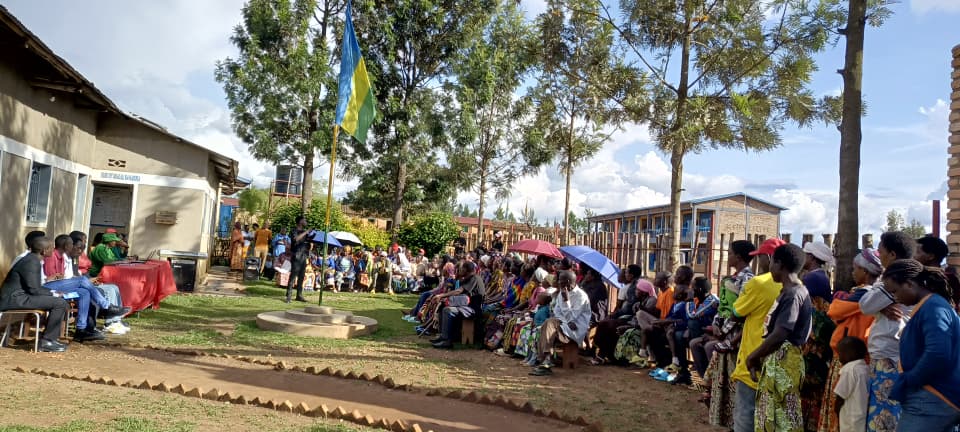
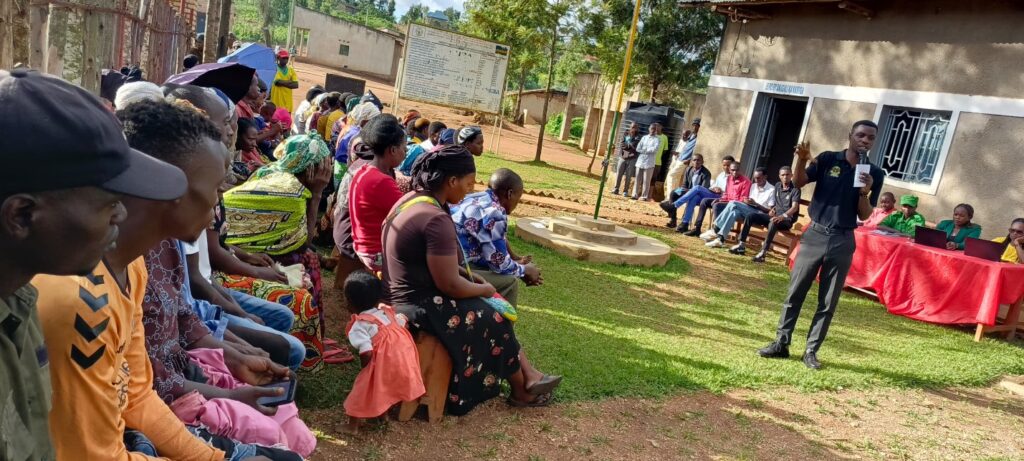
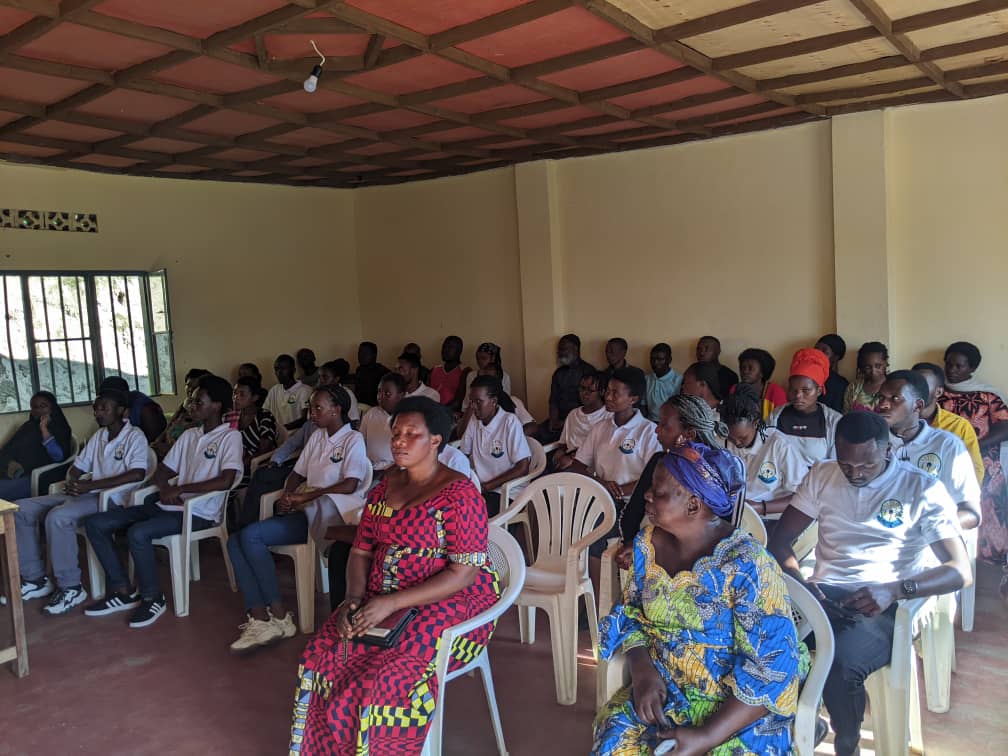
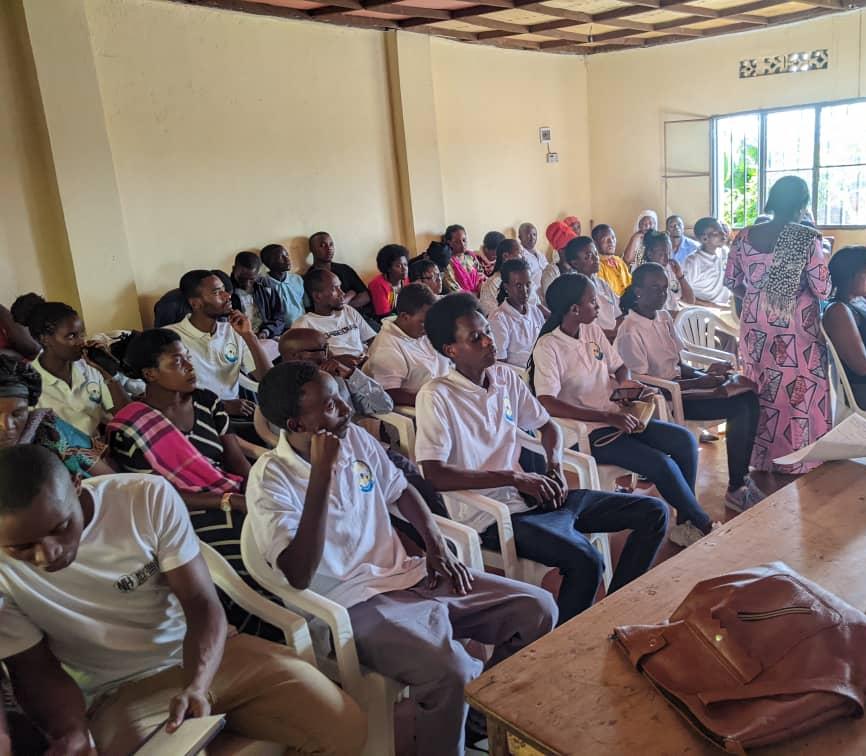
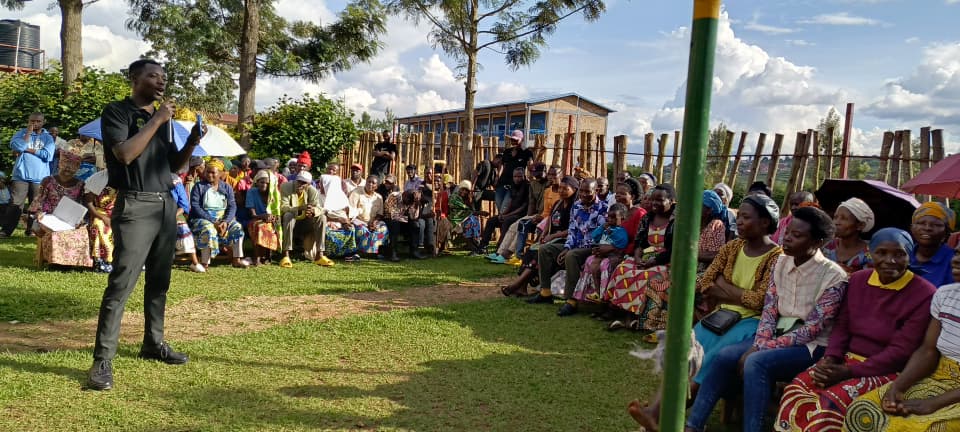
The outreach was organized on 21 April 2026 across two locations: Huye District (Mbazi Sector, Kabuga Cell) and Rubavu District (Amahoro Cell). The initiative was jointly led by the ADR Club of the University of Rwanda, Huye Campus, and the ADR Club of ULK Gisenyi, reflecting a collaborative effort between academic institutions committed to strengthening community-based justice awareness.
The activity primarily targeted local residents and community leaders, ensuring that key stakeholders within society were engaged in discussions on peaceful dispute resolution and access to justice.
The core objective of the outreach was to promote peaceful conflict resolution through ADR mechanisms such as discussion, negotiation, and mediation. Participants were introduced to the concept that not all disputes require litigation, and that many conflicts can be effectively resolved through dialogue and mutual understanding.
By encouraging non-adversarial approaches, ADR contributes to reducing tension within communities and fosters a culture of reconciliation rather than confrontation. This approach also aligns with broader peacebuilding principles that emphasize communication and restorative practices.
A key focus of the outreach was highlighting how ADR contributes to improving access to justice. Many individuals face barriers such as financial constraints, geographical distance, and limited legal awareness, which can prevent them from accessing formal judicial systems.
ADR provides a more accessible and community-based alternative, enabling individuals to resolve disputes in a timely and cost-effective manner. In addition, by resolving cases outside formal courts, ADR helps reduce the burden on judicial systems, allowing courts to focus on more complex legal matters that require formal adjudication.
One of the most significant advantages of ADR discussed during the outreach was its ability to preserve relationships. Unlike adversarial court proceedings, ADR emphasizes reconciliation and mutual agreement.
This is particularly important in family and community disputes, where maintaining long-term relationships is essential for social stability. Participants were encouraged to view ADR not only as a legal tool but also as a social mechanism for restoring trust and harmony within communities.
The ADR community outreach resulted in several important outcomes that contributed to both individual and collective learning:
These outcomes reflect the effectiveness of community-based legal awareness initiatives in promoting peaceful and informed societies.
Despite its positive impact, the outreach also revealed several challenges that affect the implementation and acceptance of ADR.
A major challenge was the lack of awareness, as many participants initially considered ADR less legitimate than formal court processes. This reflects a need for broader public education on its legal value and effectiveness.
Another concern was enforcement of agreements, with some residents questioning what happens if one party does not comply after mediation, highlighting the need for clearer understanding of ADR’s enforceability.
Additionally, insufficient training of ADR club members was noted, as members themselves acknowledged the need for further capacity building to strengthen their knowledge and outreach effectiveness.
Overall, these challenges highlight the importance of continued awareness, institutional support, and structured training to enhance ADR implementation.
The ADR community outreach in Huye and Rubavu districts represents a meaningful step toward building a more peaceful and informed society. By engaging local residents and community leaders, the initiative successfully promoted awareness of Alternative Dispute Resolution as a viable and constructive approach to conflict management.
The program demonstrated that justice is not limited to courtrooms; it can also be achieved through dialogue, understanding, and cooperation at the community level. While challenges remain, particularly in terms of awareness and capacity building, the outreach laid a strong foundation for future engagement and development in ADR practices.
Ultimately, initiatives like this reaffirm a fundamental principle of peacebuilding:
Sustainable peace is achieved when communities are empowered to resolve their differences through understanding rather than confrontation, and through dialogue rather than dispute.