Mohammad Baloch(Iran Ambassador)
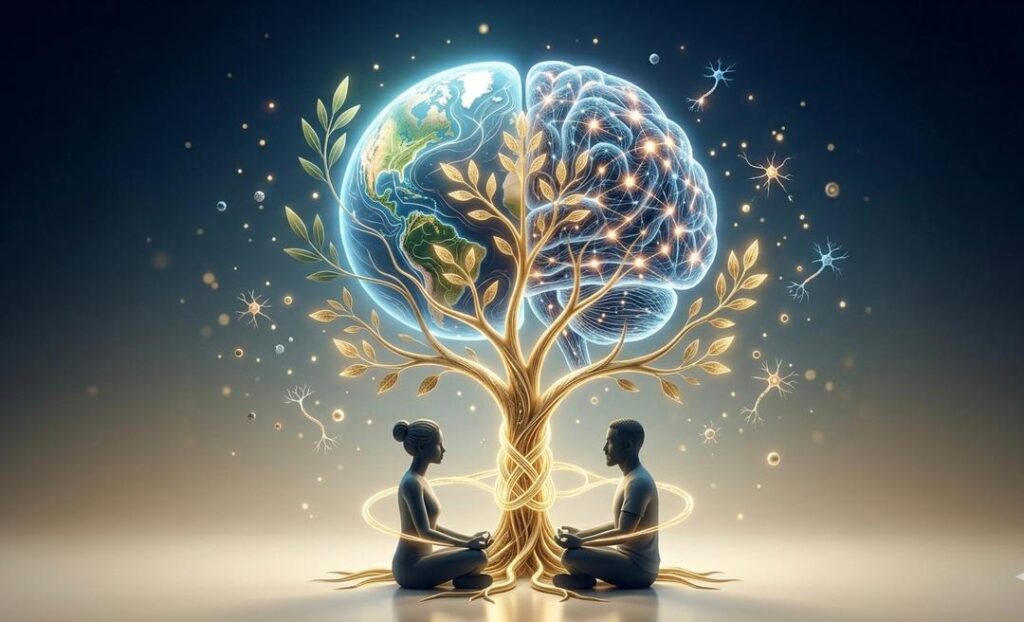
Sustainable peace is one of the fundamental aspirations of human societies and international organizations. While political, security, and economic dimensions of peace have received significant attention, the role of mental health in establishing and maintaining sustainable peace has often been overlooked. This article adopts an analytical approach to examine the relationship between mental health and social peace, demonstrating how factors such as empathy, psychological resilience, emotional regulation, and communication skills can contribute to reducing conflicts and strengthening a culture of peace. Furthermore, the roles of educational systems and media in promoting mental well-being and peace-oriented values are discussed. The findings suggest that sustainable peace requires not only the absence of war and violence but also the creation of psychological and social conditions that foster trust, cooperation, and mutual understanding among individuals and communities.
Keywords: mental health, sustainable peace, social peace, empathy, psychological resilience, dialogue.
In contemporary peace studies, peace is no longer defined merely as the absence of war and armed conflict. Today, scholars in the fields of social sciences and psychology argue that sustainable peace can only be achieved when individuals and communities enjoy psychological security, social justice, equal opportunities, and relationships built upon trust and mutual respect. In this context, mental health emerges as a fundamental component of human well-being that significantly influences social behavior and the reduction of violence.
Despite its importance, many peace building initiatives at national and international levels have primarily focused on political, legal, and security dimensions while paying comparatively less attention to psychological factors. Chronic anxiety, feelings of insecurity, unmanaged anger, and inadequate communication skills can all contribute to interpersonal and social conflicts. Therefore, exploring the relationship between mental health and sustainable peace offers a more comprehensive understanding of the prerequisites for building stable and harmonious societies.
According to the world health organization (who), mental health is a state of well-being in which individuals recognize their abilities, cope effectively with the normal stresses of life, work productively, and contribute meaningfully to their communities. On the other hand, johan galtung, one of the leading scholars in peace studies, distinguishes between “negative peace” (the absence of direct violence) and “positive peace” (the presence of justice, cooperation, and social well-being).
From this perspective, mental health can be regarded as one of the essential foundations of positive peace. Individuals with strong mental well-being are generally more capable of managing conflicts, accepting diversity, empathizing with others, and actively participating in social life. These capacities play a critical role in fostering peaceful relationships and strengthening social cohesion.
In recent decades, researchers in psychology and peace studies have increasingly emphasized the importance of individual and interpersonal factors in reducing conflicts and promoting peaceful coexistence. Among these factors, empathy, psychological resilience, and emotional intelligence have been identified as essential capacities that contribute to the development of a culture of peace and the prevention of violence. These qualities enable individuals to better understand differences, respond constructively to challenging situations, and manage conflicts through dialogue and cooperation.
Empathy allows individuals to recognize and understand the emotions and perspectives of others, reducing the likelihood of hostile reactions and impulsive judgments. Societies characterized by higher levels of empathy tend to experience lower levels of prejudice, discrimination, and social violence while fostering greater opportunities for constructive dialogue.
Psychological resilience refers to the ability to adapt to adversity and recover from stressful or traumatic experiences. Resilient individuals and communities are less likely to resort to aggression during times of crisis and are more capable of resolving disputes through peaceful means.
Furthermore, emotional intelligence, which involves the ability to recognize, understand, and regulate emotions, plays a significant role in anger management, self-awareness, and interpersonal relationships. Individuals with high emotional intelligence are generally more effective in conflict resolution and in building relationships based on mutual respect and understanding.
Therefore, strengthening empathy, resilience, and emotional intelligence not only enhances individual mental well-being but also serves as a fundamental prerequisite for achieving sustainable peace within human societies.
A culture of peace does not emerge spontaneously within societies; rather, it requires education, awareness, and the reinforcement of human values across different social levels. In this regard, educational institutions and media platforms are among the most influential forces shaping people’s attitudes, beliefs, and behaviors.
Educational systems can teach children and adolescents essential skills such as respect for diversity, empathy, dialogue, cooperation, and peaceful conflict resolution from an early age. Schools and universities play a crucial role not only in transmitting knowledge but also in shaping individuals’ social character. Peace-oriented education can foster generations that prefer understanding and cooperation over confrontation and violence.
Alongside education, media also plays a decisive role in shaping public culture. Traditional media and social networking platforms can either contribute to the spread of hatred, prejudice, and social polarization or serve as tools for dialogue, awareness, and social cohesion. The way events, social groups, and conflicts are portrayed in the media directly influences public perceptions of peace and violence.
In the digital age, media literacy has become an essential component of social peace. The ability to identify misinformation, resist fake news, and critically evaluate media content can help prevent misunderstandings, tensions, and social conflicts.
Therefore, investing in peace education and promoting responsible media practices can be among the most effective strategies for strengthening collective mental well-being and achieving sustainable peace.
A review of the theoretical literature and existing research indicates that mental health and sustainable peace share a reciprocal and mutually reinforcing relationship. On the one hand, peace and social security provide favorable conditions for the promotion of mental well-being. On the other hand, societies with higher levels of mental health possess greater capacity to manage conflicts, reduce violence, and maintain social stability.
In many societies, peace building initiatives have traditionally focused on political, economic, and security dimensions, while psychological factors have received comparatively limited attention. However, social anxiety, feelings of insecurity, discrimination, mistrust, and psychological trauma resulting from crises can all contribute to social tensions and violent behaviors.
The findings discussed in this article suggest that strengthening skills such as empathy, resilience, and emotional intelligence can play a significant role in reducing interpersonal and social conflicts. Furthermore, peace education and the promotion of media literacy represent important long-term strategies for fostering more responsible, informed, and peace-oriented communities.
In today’s world, characterized by social polarization, the spread of misinformation, economic challenges, and political tensions, mental health should no longer be viewed solely as an individual concern. Rather, it should be recognized as an essential component of sustainable development and global peace strategies.
Sustainable peace extends far beyond the mere absence of war and direct violence. It encompasses broader dimensions of human well-being, social justice, and psychological security. In this context, mental health serves as a fundamental pillar of human development and social stability, playing a crucial role in the creation of peaceful societies.
The theoretical framework and existing research reviewed in this article suggest that factors such as empathy, psychological resilience, and emotional intelligence enhance the capacity of individuals and communities to manage conflicts, embrace diversity, and foster relationships based on mutual respect. Furthermore, educational institutions and media organizations can contribute significantly to the promotion of peace, tolerance, and cooperation through their educational and awareness-raising functions.
At a time when many societies face challenges such as social tensions, mental health crises, hate speech, misinformation, and increasing polarization, mental health should be recognized as an essential component of peace building and sustainable development strategies. Investments in life-skills education, media literacy, mental health services, and dialogue-based initiatives can contribute to reducing violence and strengthening social cohesion.
Ultimately, achieving sustainable peace requires a comprehensive approach that addresses political, social, and psychological dimensions simultaneously. Peace can only endure when psychological security, social trust, and meaningful civic participation are promoted alongside physical security. Therefore, mental health should be regarded as one of the most significant—yet often overlooked—foundations of sustainable peace in the contemporary world.
1.Galtung, j. (1969). Violence, peace, and peace research. Journal of peace research, 6(3), 167–191.
2.World health organization (who). (2022). World mental health report: transforming mental health for all. Geneva: world health organization.
3.UNESCO. (2024). Learning for lasting peace: UNESCO’s work on peace education. Paris: united nations educational, scientific and cultural organization.
4.UNESCO. (2024). Learning for lasting peace: UNESCO’s work on peace education. Paris: united nations educational, scientific and cultural organization.