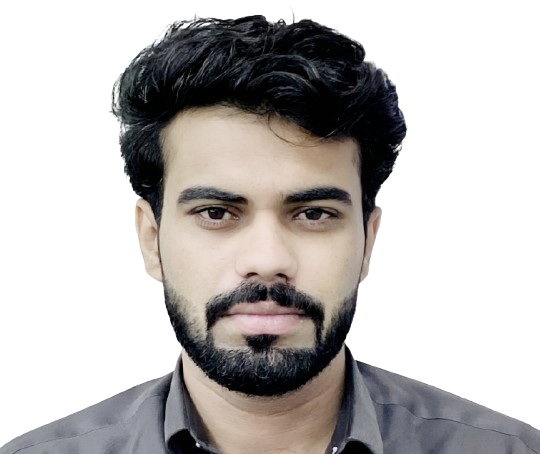
Ajay Kumar Yadav
B.A., LLB
Ambassador Global Peace Chain Nepal
The twenty-first century has seen remarkable technological progress, economic globalization, and scientific innovation. However, humanity still faces complex challenges that threaten global peace and sustainable development. Armed conflicts, climate change, poverty, social inequality, terrorism, misinformation, forced migration, and public health crises are major issues impacting nations and communities around the world. These problems not only harm human security but also slow down efforts to achieve sustainable development and social justice.
This article looks at the modern idea of peace, which goes beyond simply not having war. It emphasizes that sustainable peace needs justice, equality, human rights, environmental sustainability, and inclusive governance. Through a broad analysis, the study examines the root causes of today’s global problems and suggests practical solutions that can help build long-term peace. The article points out the importance of education, international cooperation, technological innovation, youth involvement, and effective institutions in dealing with current conflicts and fostering social harmony.
Additionally, the research assesses how international organizations, governments, civil society, and local communities play a role in promoting peace and tackling global issues. It pays special attention to the contributions of young people and new technologies, including artificial intelligence, in advancing peace efforts. The paper concludes that sustainable peace can only happen through collective action, shared responsibility, and a commitment to addressing the structural inequalities that fuel conflict and instability. By adopting inclusive and sustainable methods, the international community can work toward a more peaceful, resilient, and prosperous world for future generations.
Keywords: Peace-building, Sustainable Development, Human Rights, Climate Change, Social Justice, Global Governance, Youth Participation, International Cooperation.
The quest for peace has been a lasting goal for humanity throughout history. From ancient civilizations to modern nations, societies have always looked for ways to create stability, security, and harmony. Despite significant progress in science, technology, economics, and governance, today’s world still faces many challenges that threaten peace and human development. These complex issues require a wider understanding of peace and new solutions to tackle both traditional and emerging threats.
Historically, peace was mostly seen as the absence of war and violent conflict. This limited view, known as “negative peace,” focused on stopping armed clashes between states and keeping political stability. However, scholars, policymakers, and international organizations increasingly realize that peace means more than just not having violence. Norwegian sociologist Johan Galtung introduced the idea of “positive peace.” This concept highlights the need for social justice, equality, human rights, and systems that support human well-being. From this view, a society cannot be truly peaceful if its citizens face poverty, discrimination, inequality, or systemic injustice.
The modern world presents a unique contradiction. On one hand, globalization has spurred economic growth, cultural exchange, and international cooperation like never before. Technology has changed communication, healthcare, education, and transportation, improving the lives of millions. On the other hand, globalization has also created new risks and worsened existing inequalities. Economic gaps between and within countries are growing, social tensions are rising, and environmental damage threatens the sustainability of human civilization.
Among the most urgent issues facing humanity today are armed conflicts and political instability. Although large-scale interstate wars have decreased compared to previous centuries, civil wars, regional conflicts, and political violence are still common in many areas. These conflicts often lead to severe human suffering, displacement, destruction of infrastructure, and long-lasting economic problems. According to international reports, millions are currently displaced due to conflict, persecution, and violence, leading to one of the largest refugee crises in modern history.
Climate change has also become a significant threat to global peace and security. Rising temperatures, extreme weather events, sea-level rise, and environmental damage have serious effects on human societies. Climate-related disasters hit vulnerable populations the hardest, worsening poverty, food insecurity, and social tensions. In many areas, competition for scarce resources like water, land, and energy has become a source of conflict. Therefore, environmental sustainability is crucial for today’s peacebuilding efforts.
Economic inequality poses another serious challenge to social stability and cohesion. Despite impressive global economic growth, wealth distribution remains highly uneven. Many people still live in poverty while a small portion of the population holds a large share of global wealth. Such gaps can lead to social unrest, political instability, and diminished trust in institutions. Addressing inequality is not just a moral duty; it is also essential for maintaining peace and sustainable development. The rapid growth of digital technology brings both opportunities and dangers. Social media and digital tools have improved connectivity and access to information. However, they have alsomade it easier to spread misinformation, hate speech, and extremist ideas.
Digital misinformation can divide societies, weaken democratic processes, and provoke conflict. The challenge lies in using the benefits of technology while reducing its negative impacts. Public health emergencies highlight the interconnected nature of today’s challenges. The COVID-19 pandemic exposed serious flaws in global health systems and showed how important international cooperation is. Beyond immediate health effects, the pandemic caused economic disruption, educational setbacks, social isolation, and political tensions. These crises highlight the need for strong institutions equipped to handle complex global threats.
In response to these challenges, the international community increasingly stresses sustainable development as a way to achieve peace. The United Nations Sustainable Development Goals (SDGs) acknowledge the deep connection between peace, prosperity, and environmental sustainability. Goal 16 specifically calls for promoting peaceful and inclusive societies, ensuring access to justice, and building effective institutions. However, reaching these goals requires coordinated efforts from governments, international organizations, civil society, academia, and local communities.
Education is fundamental in promoting peace and tackling modern challenges. Through education, individuals learn critical thinking skills, cultural awareness, and democratic values. Peace education fosters tolerance, dialogue, and respect for diversity, helping to prevent conflict and encourage social cohesion. Additionally, youth engagement is increasingly recognized as vital to successful peacebuilding efforts. Young people have the creativity and energy needed to address complex issues and contribute to sustainable solutions.
This article aims to explore the link between peace and modern global challenges by looking at the root causes of conflict and instability. It examines various aspects of modern peacebuilding and suggests practical approaches for creating a more just, inclusive, and sustainable world. Through a thorough review of current issues and possible solutions, the study adds to ongoing discussions about the future of global peace and human development.
Ultimately, peace should not be seen just as an idealistic goal but as a practical necessity for human progress and survival. In an increasingly connected world, the security and well-being of one nation are closely tied to those of others. Thus, building peace requires shared responsibility, mutual understanding, and consistent commitment from all parts of society. Only through joint efforts can humanity tackle today’s challenges and create a future marked by dignity, justice, and shared prosperity.
Peace is a topic many people talk about, but it is often misunderstood in fields like politics, international relations, sociology, and philosophy. For a long time, people thought peace just meant no war or fighting. But today, experts say that definition isn’t enough for our complicated world. Now, peace is seen as something with many parts, including fairness, equality, human rights, getting along, protecting the environment, and keeping people safe.
How we think about peace has changed a lot over history. Old civilizations often connected peace with things like order, stability, and rulers having power. Greek thinkers saw peace as something important for people to thrive and for good citizenship. Eastern philosophies, like Buddhism, focused on inner peace, kindness, and not being violent as key parts of getting along in society. Religions such as Christianity, Islam, Hinduism, and Buddhism have all pushed for values like kindness, tolerance, and living together, showing peace as both a moral and spiritual goal.
Johan Galtung, a Norwegian scholar, made some really important points about peace. He talked about two kinds: “negative peace” and “positive peace.” Negative peace is just when there’s no fighting or war. Positive peace, though, means having social fairness, equality, and systems that help people live well. Galtung said that a society might have no war (negative peace) but still be very unfair because of poverty, discrimination, or oppression. So, positive peace tries to fix the root causes of conflict instead of just stopping the obvious fighting.
Galtung also brought up “structural violence.” This is about how social systems can stop people from reaching their full potential. Things like poverty, inequality, racial bias, gender oppression, not having healthcare, or not getting an education are all examples of structural violence. Unlike direct fighting, structural violence is often built into our political, economic, and social systems. It might not use physical force, but it can be just as harmful.
“Cultural violence” is another idea related to structural violence. This refers to beliefs, ideas, and social customs that make violence and inequality seem okay. Racism, not accepting other religions, fear of foreigners, and extreme beliefs often feed cultural violence. They do this by making some groups look worse or dangerous. These kinds of attitudes cause splits in society and give reasons for unfair treatment and conflict.
Because of all this, modern peace studies look at peace in a complete way, dealing with direct fighting, structural problems, and cultural issues all at once. You can’t get lasting peace just through military deals or political talks. Instead, it takes a full effort to build fairness, equality, and respect for each other within societies.
The United Nations also has a broad view of peace. Their efforts to build peace increasingly focus on fixing governments, improving economies, protecting human rights, and helping communities get along. The Sustainable Development Goals (SDGs) see peace as a must-have for progress and a good future. Goal 16, in particular, pushes for peaceful societies where everyone is included, where there’s access to fairness, and where institutions work well.
Today, peace is also tied closely to the idea of human security. Old ideas about security mostly focused on keeping countries safe from outside military attacks. Human security, however, focuses on protecting individuals from dangers like poverty, sickness, environmental damage, and political oppression. This way of thinking realizes that people often feel unsafe not just because of wars but also because of social and economic problems.
Also, globalization has changed what peace and conflict look like. Problems like climate change, pandemics, cybercrime, terrorism, and people being forced to move go beyond just one country. They need countries, international groups, civil society, and local communities to work together. Because of this, peace is more and more seen as something good for everyone globally, depending on cooperation from all these groups.
So, the current understanding of peace goes further than just stopping violence. It includes social fairness, chances for everyone to succeed, taking care of the environment, respecting human rights, and having governments that include everyone. This complete approach is key for dealing with the connected problems of our time and building strong societies that can stay stable for a long time.
Historically, the quest for peace has occupied a central place in human existence. Across the diverse civilization and traditions, various mechanisms have been evolved and adopted to avoid conflict, enforce order and assure coexistence. A study of the historical trajectory of peacebuilding offers insight into current efforts for conflict prevention and the sustainable peace development of states.
Order and peace were secured through political control, the laws and the preaching of religious ethics. Pax Romana under the Roman Empire represents one of the earlier attempts at achieving large scale peacebuilding. During the period, Rome had maintained a semblance of peace in the region by virtue of her ability to enforce and organize effective political authority, construction of roads and a legal framework. Despite dependence on military, Pax Romana provides an earlier paradigm for peace building.
Similarly, ancient Asian civilizations had developed conceptions of peace based on harmony and ethical behavior. For instance, the ideas of Confucius advocate for harmonious relationship among man and the concept of ethical leadership, moral responsibility and mutual respect while the philosophies of Buddhism encouraged non-violence, mercy and reconciliation. These conceptions have directly or indirectly influenced peace practices and tradition in Asia.
The medieval period has been characterized with both conflict and considerable efforts towards peaceful existence. The religious institutions (the Church and others) are notable for having played important mediation role in conflict settlement and reconciliation while war continued through political, territorial and religious conflicts among states/kingdoms/territorial entities. Justice and morality started to integrate into the concept of peace with an increasing role of legal systems and diplomacy. The conclusion of bilateral, regional treaties between the warring states has laid the foundation for modern nation states diplomacy and legal mechanisms.
With the end of Thirty Years War through the Treaty of Westphalia (1648), a watershed occurred in the development of peace building efforts. Westphalia treaty led to the formation of a modern world order and established principles that governed interactions among sovereign states and established principles such as territorial sovereignty and non-intervention. These concepts continue to influence the modern international system today.
During the Enlightenment period, new and progressive ideas were championed concerning human rights, democracy, and the best means for securing peace. Immanuel Kant put forward his famous thesis on Perpetual Peace, in which he argues that enduring peace can only be achieved through liberal democracy, internationalism and respect for human dignity. Some of Kant’s insights were instrumental to the formation of League of Nations and eventually United Nations.
The First and the Second World Wars had presented a stark reminder of the destructive consequences of human-induced conflict. Hence, the need for effective international institutional mechanisms to maintain international peace and security becomes paramount. The League of Nations, formed in the wake of the First World War, was intended to preserve peace and collective security. Its failure to avert the Second World War led to the founding of United Nations (UN) in 1945. The UN was established with peace and security as its core objectives and principles. Among others, it laid emphasis on peaceful dispute resolution, use of force only in collective self defense and under UN mandate. Over the time, its peace building role was enhanced through the establishment of peacekeeping operations and provision of assistance to post-conflict states in such areas as rebuilding public institutions, demobilization of combatants, and humanitarian aid.
The establishment of Peace Studies The two World Wars, the Cold war and subsequent proxy conflicts generated a rise in the academic exploration of peace and conflict resolution studies, a discipline that examines the causes of wars and strategies for peacebuilding. Johan Galtung had contributed significantly in expanding the field of peace studies in the 1960s and 70s. He introduced concepts such as positive peace (existence of harmony and justice), structural violence (social arrangements that cause harm to individuals) and conflict transformation (creation of constructive responses to conflict). The new perspective provided attention to the issues of social justice and human development as an imperative for peaceful existence. Modern peacebuilding is more emphasis in prevention, local ownership, and sustainable peace building, not in ending war, but building up a lasting peace and harmony.
In the twenty-first century, global political environment offers a new era of opportunities and challenges for the maintenance of peacebuilding. Rapid advancements in communication technology and an increase in international cooperation mechanisms enhance the possibility of averting and addressing conflicts while the new threats such as the challenges posed by environmental changes, rise in information and cyber warfare, terrorism and economic disparities poses new threats to global peace and security. Therefore modern peacebuilding emphasizes on participation, inclusiveness, sustainability, local ownership, while involving government, civil society, women, youth, local and international actors. This comprehensive and participatory approaches will ultimately determine sustainable and peaceful existence in the twenty-first century.
From historical account of peace building efforts, we can observe that the process of achieving peace does not solely lies in achieving a lack of conflict, but more so, the creation and sustenance of harmony and justice that comes with sustained political, economic, social and individual cooperation among people and states alike.
The world has achieved technological progress unimaginable twenty-one years ago, globalized economy and scientific development unparalleled by any centuries before. However, this progress has not solved most of the problems that challenge global peace, security and sustainable development. The problem’s interconnectedness, its self-reinforcing properties, and their diverse origins make it more complex for governments, international organizations, and civil society to address and solve it. A better understanding of the nature and origins of these problems will lead to the effective promotion of peace and human well-being.
Armed conflict is one of the greatest threats to global peace. While major interstate wars have decreased over the centuries, civil war, ethnic conflicts, political insurgencies and regional disputes have killed millions. Conflict affected countries suffered destruction of infrastructure, economic ruin and humanitarian crises, and fragmented social structures. Underlying the problem of armed conflict are diverse, complex issues including lack of inclusion, inter ethnic tension, competition for resources, weak or corrupt governance, historical grievances, as well as external interference and geopolitics. The consequences of armed conflict are devastating for the society, including the destruction of school and hospital infrastructures, the disruption of normal lives and economy and the long-lasting trauma on people. Children are victims of conflicts and deprived of opportunities to learn and grow. Women and other vulnerable groups carry greater burdens during conflicts in the forms of displacement, sexual violence and insecure conditions. Political instability is harmful to social trust because without security, basic services and justice, citizens become dissatisfied and fertile ground for violence. Strengthening democracy, promoting public participation, ensuring accountability of government institutions, preventing conflict and building peace are of utmost importance.
Climate change is one of the biggest challenges humanity face with rising temperatures, increased climate related extreme weather, deforestation, desertification, biodiversity loss and environmental degradation that will threaten our lives and global peace. This environmental stress can create further socio-political friction and tension between and within states as water, land, and food resources becomes scarcer. Within unstable political contexts, climate related pressures may further amplify conflict risks and displacement. Climate related extreme weather conditions- flood, drought, storm, wildfires- are becoming increasingly intense and destructive, resulting in devastated lives, livelihoods and infrastructures and forcing populations to migrate, leading to climate induced displacement on a greater scale. Developing countries are the hardest hit by climate change and the least able to respond. This raises a number of questions concerning climate justice and state responsibilities. As a result of unequal capacity, developed countries often have far more resources to adapt to environmental changes than the developing world. Tackling climate change will require significant international cooperation, sustainable use and management of natural resources, development and dissemination of renewable energy technologies, conservation of nature and restoration of degraded environment.
Poverty continues to represent a primary obstacle to sustainable peace and human development. Although the prevalence of poverty has decreased over recent decades worldwide, millions still suffer lack of food, clean water, sanitation, health care, housing, and education. The gap between rich and poor has widened in many societies due to concentration of wealth in the hands of few rich people while vast number of populations struggle with unemployment, low wage, limited opportunity which will damage social coherence and foster political instability. The social consequences of poverty create grounds for violence and exploitation; for example impoverished individuals are more vulnerable to recruitment to extremist organizations and armed groups or even criminal enterprises, economic marginalization is able to create frustrations toward a political system that is deemed to be unresponsive and unjust. These disadvantages may interact with discrimination along race, ethnic, religion, and gender identity to reinforce poverty traps. Promoting inclusive economic growth and distribution of resources equally to everyone will have impact on peace and development and would be a long term security investment, rather than humanitarian imperative.
Protection of human rights is an indispensable pillar of peace; but violations of human rights such as discrimination, arbitrary arrest, torture, limitation of free speech, restrictions on political participation – can all fuel social unrest and violent conflicts. From history we have seen conflicts stemming from systematically exclusion and oppression of specific group. Denial of rights and opportunities to some segment of populations will eventually cause frustrations, which can turn to defiance, protest, or armed conflict. Gender inequality continues to be a global phenomenon which many women and girls around the world suffer discrimination in terms of opportunities for education and jobs, as well as political and economic participation. Sexual violence remains widespread, destroying individual well-being and undermining social progress. Marginalization and lack of access to power and decision-making process also affect many racial, ethnic, religious and linguistic minorities; exacerbating their marginalization and contributing to social tension. Strong and independent judiciary systems, rule of law, accountable political institutions and vibrant civic society organization are indispensable for the protection of human rights, making society peaceful, stable and inclusive.
Terrorism and violent extremism continues to pose serious threats to global peace and security. By means of violence terrorist organizations target civilian populations in order to produce fear and destabilize states; the motivations are complex and varied, including lack of inclusion, economic marginalization, lack of social inclusion and opportunities, ideological influence, and accumulated grievances, all exacerbated by the effective manipulation of online platforms. Beyond immediate loss of life, terrorism attacks produce lasting damage to psyche and social relationships in societies as well as disruption of the economy. The measures taken to counter terrorism must balance national security with civil liberties. Preventive measures must include efforts to understand and address underlying causes of extremism and radicalization. These are critical for durable peace-building.
The digital age has witnessed an expansion in access to information and interconnectedness, but also raised serious challenge to peace and societal stability. Misinformation and disinformation can be widely disseminated across the internet and social media, creating harmful consequences of undermining public trust in institutions, instilling hateful emotions and polarizing societies, eventually contributing to conflict. In this regard, information warfare, which involves using information systems to affect the perceptions of others and influence behavior has grown significantly since 9/11. It may undermine democratic institutions and contribute to escalating tensions among populations, as well as between states. Cyber attacks is another emerging threat that would seriously impact society in terms of state and non state entities target on crucial sectors of states such as infrastructure and services; therefore information and digital literacy, cyber security systems, media ethics and regulations, along with critical evaluation skills need to be cultivated across societies to counter such challenges.
In the twenty-first century, humanity faces a series of global and interconnected challenges such as wars, climate change, poverty, economic inequality, terrorism, disinformation, and diseases. These challenges cannot be overcome through fragmented and reactive strategies. Sustainable peace necessitates comprehensive solutions that address not only the manifestations but also the structural root causes of conflicts and wars. Moreover, sustainable peace presupposes collaboration between governments, international institutions, businesses, and citizens. This part discusses sustainable solutions that can make contributions toward creating a peaceful society.
One of the most potent means of fostering sustainable peace and development is education. Education is much broader than learning some facts and obtaining professional qualifications. It shapes individuals’ values, attitudes, and behavioral patterns.
Peace education promotes such traits as critical thinking, empathy, tolerance, and acceptance of diversity. Moreover, it helps individuals analyze the reasons behind conflicts and acquire the skills of dialogue and negotiation. Educative institutions can encourage the formation of democratic values, social responsibility, and intercultural competence. Additionally, education contributes to economic development because it expands employment opportunities and decreases poverty. Educated communities demonstrate higher levels of stability, social integration, and political participation.
Young people constitute nearly half of the world’s population and represent one of the most influential forces for social change. Historically, youth have played critical roles in political movements, democratic transitions, social reforms, and peace initiatives. Their energy, creativity, adaptability, and commitment to innovation position them as essential stakeholders in contemporary peacebuilding efforts.
For many years, policy discussions often portrayed young people primarily as victims of conflict or as potential sources of instability. However, recent research demonstrates that youth are not merely beneficiaries of peacebuilding processes but active contributors to peace and sustainable development. The adoption of United Nations Security Council Resolution 2250 on Youth, Peace, and Security marked a significant recognition of the positive role that young people can play in preventing conflict and promoting peace.
Education, civic engagement, volunteerism, and leadership development are important avenues through which youth contribute to peaceful societies. Young people frequently lead grassroots initiatives addressing issues such as social justice, climate action, human rights, and community development. Through social entrepreneurship and innovation, they develop creative solutions to local and global challenges.
Digital technologies have further amplified the influence of youth by providing platforms for communication, advocacy, and mobilization. Social media campaigns led by young activists have raised awareness about climate change, discrimination, inequality, and peacebuilding. These efforts demonstrate how youth participation can shape public discourse and influence policy decisions.
However, meaningful youth participation requires supportive institutional frameworks. Governments and organizations should create opportunities for young people to engage in decision-making processes at local, national, and international levels. Investment in education, employment, and leadership programs can empower youth to become effective agents of peace and development.
The future of global peace largely depends on the ability of societies to harness the potential of their younger generations. By recognizing and supporting youth leadership, communities can strengthen resilience, innovation, and social cohesion.
Technological advancement has transformed virtually every aspect of human life. From communication and healthcare to education and governance, technology offers unprecedented opportunities for improving human well-being. At the same time, emerging technologies present new ethical, social, and security challenges.
Artificial Intelligence (AI) has emerged as one of the most influential technologies of the twenty-first century. AI systems can analyze large volumes of data, identify patterns, and support decision-making processes with remarkable speed and accuracy. These capabilities have significant implications for peacebuilding and conflict prevention.
One of the most promising applications of AI is in early warning systems for conflict prevention. By analyzing political, economic, environmental, and social indicators, AI can help identify potential sources of instability before they escalate into violence. Governments and international organizations can use such insights to develop preventive interventions and allocate resources more effectively.AI also contributes to humanitarian efforts by improving disaster response, resource distribution, and crisis management. Machine learning algorithms can assist in predicting natural disasters, coordinating emergency relief operations, and identifying vulnerable populations requiring assistance.In the field of education, AI-powered learning platforms expand access to knowledge and educational opportunities. Such technologies can help reduce educational inequalities and promote lifelong learning, which are essential components of sustainable peace.However, technological advancement also presents significant risks. The misuse of AI for surveillance, cyber warfare, misinformation campaigns, and autonomous weapons raises serious ethical concerns. Algorithmic bias can reinforce existing inequalities and discrimination if not properly addressed.Ensuring that technology contributes positively to peace requires robust ethical frameworks, transparency, accountability, and international cooperation. Policymakers, researchers, and technology companies must work together to ensure that innovation serves humanity’s collective interests.
Ultimately, technology is neither inherently beneficial nor harmful. Its impact depends on how it is designed, governed, and utilized. When guided by ethical principles and human-centered values, technology can become a powerful instrument for promoting peace, justice, and sustainable development.
Nepal occupies a unique position in global peace discourse. Despite its geographical size and economic challenges, the country has made significant contributions to international peacebuilding efforts and continues to serve as an example of peaceful coexistence and resilience.
One of Nepal’s most notable contributions is its participation in United Nations peacekeeping operations. Nepal consistently ranks among the leading contributors of peacekeepers worldwide. Thousands of Nepalese military personnel and police officers have served in conflict-affected regions across Africa, Asia, and the Middle East. Their dedication and professionalism have earned international recognition and enhanced Nepal’s reputation as a supporter of global peace and security.
Nepal’s own peace process also offers valuable lessons for conflict resolution. Following a decade-long armed conflict, the country embarked on a comprehensive peace process that emphasized dialogue, political inclusion, constitutional reform, and democratic transition. While challenges remain, Nepal’s experience demonstrates the importance of negotiation and compromise in resolving complex political disputes.
The cultural and philosophical heritage of Nepal further reinforces its contribution to peace. As the birthplace of Lord Buddha, Nepal holds a special place in global discussions regarding non-violence, compassion, and human dignity. Buddhist teachings emphasizing peace, tolerance, and coexistence continue to inspire people worldwide.
Additionally, Nepal actively participates in regional and international forums focused on sustainable development, climate action, and human rights. The country’s commitment to multilateralism reflects an understanding that global challenges require cooperative solutions.
Moving forward, Nepal can further strengthen its role by promoting peace education, supporting youth engagement, enhancing democratic governance, and contributing to international dialogue on sustainable development and conflict prevention.
Based on the analysis presented throughout this article, several policy recommendations can contribute to sustainable peace and effective responses to contemporary global challenges:
Governments should prioritize universal access to quality education, including peace education, digital literacy, and critical thinking skills.
Transparent, accountable, and inclusive governance systems should be promoted to enhance public trust and reduce political instability.
Policies aimed at reducing poverty, promoting employment, and ensuring equitable access to economic opportunities are essential for social stability.
Governments must strengthen legal frameworks protecting human rights and ensure equal treatment for all individuals regardless of gender, ethnicity, religion, or social status.
International cooperation on climate change should be intensified through sustainable development initiatives, renewable energy investments, and environmental conservation efforts.
Young people should be meaningfully included in policy development, peacebuilding initiatives, and decision-making processes.
Ethical standards and international regulations should guide the development and use of artificial intelligence and other emerging technologies.
Multilateral institutions should be supported and reformed to address global challenges more effectively and inclusively.
Governments and international organizations should invest in community-based peacebuilding, dialogue initiatives, and reconciliation processes.
Educational institutions, media organizations, religious leaders, and civil society groups should promote values of tolerance, respect, and non-violence.
The modern world stands at a critical crossroads. Humanity possesses unprecedented scientific knowledge, technological capabilities, and economic resources. Yet, armed conflicts, climate change, poverty, inequality, terrorism, misinformation, and health crises continue to threaten global peace and human development.
This article has argued that peace must be understood not merely as the absence of war but as the presence of justice, equality, human rights, environmental sustainability, and inclusive governance. Sustainable peace requires addressing the structural causes of conflict while promoting social cohesion and human dignity.
The analysis demonstrates that contemporary challenges are deeply interconnected. Solutions must therefore be equally comprehensive and collaborative. Education, democratic governance, economic inclusion, human rights protection, environmental sustainability, technological responsibility, and international cooperation are all essential components of effective peacebuilding strategies.
Youth and emerging technologies present both opportunities and challenges for the future of peace. When empowered and guided by ethical principles, they can become powerful forces for positive transformation. Similarly, countries such as Nepal demonstrate how commitment to dialogue, peacekeeping, and international cooperation can contribute meaningfully to global stability.
The pursuit of peace is not solely the responsibility of governments or international organizations. It is a shared obligation requiring participation from individuals, communities, institutions, and nations. In an increasingly interconnected world, the well-being of one society is closely linked to the well-being of others.
As humanity confronts the challenges of the twenty-first century, sustainable peace must remain at the center of global efforts. Through cooperation, innovation, justice, and compassion, it is possible to build a future characterized by dignity, security, and shared prosperity for all.
1.Galtung, J. (1969). Violence, Peace, and Peace Research. Journal of Peace Research.
2.United Nations. (2024). Sustainable Development Goals Report.
3.United Nations Development Programme (UNDP). Human Development Report.
4.United Nations Security Council Resolution 2250 on Youth, Peace and Security.
5.Kant, I. (1795). Perpetual Peace.
6.World Bank. World Development Report.
7.UNESCO. Education for Peace and Sustainable Development.
8.International Peace Institute (IPI). Peacebuilding and Conflict Prevention Reports.
9.Intergovernmental Panel on Climate Change (IPCC). Climate Change Assessment Reports.
10.United Nations High Commissioner for Refugees (UNHCR). Global Trends Report.
11.World Health Organization (WHO). Global Health Statistics.
12.International Labour Organization (ILO). Global Employment Trends.
13.Amnesty International. Annual Human Rights Reports.
14.Stockholm International Peace Research Institute (SIPRI). Global Security Reports.
15.United Nations Peacekeeping Operations Reports.