Every meaningful change begins with a conversation, a shared vision, and the willingness to act together. When individuals come together with a common purpose, even the most complex global challenges begin to feel addressable through collective effort.
In a world increasingly affected by climate change, environmental degradation, and unsustainable practices, the responsibility to protect nature has become more urgent than ever. From polluted rivers and rising sea levels to shrinking forests and declining biodiversity, the signs are no longer distant warnings—they are present realities demanding immediate attention.
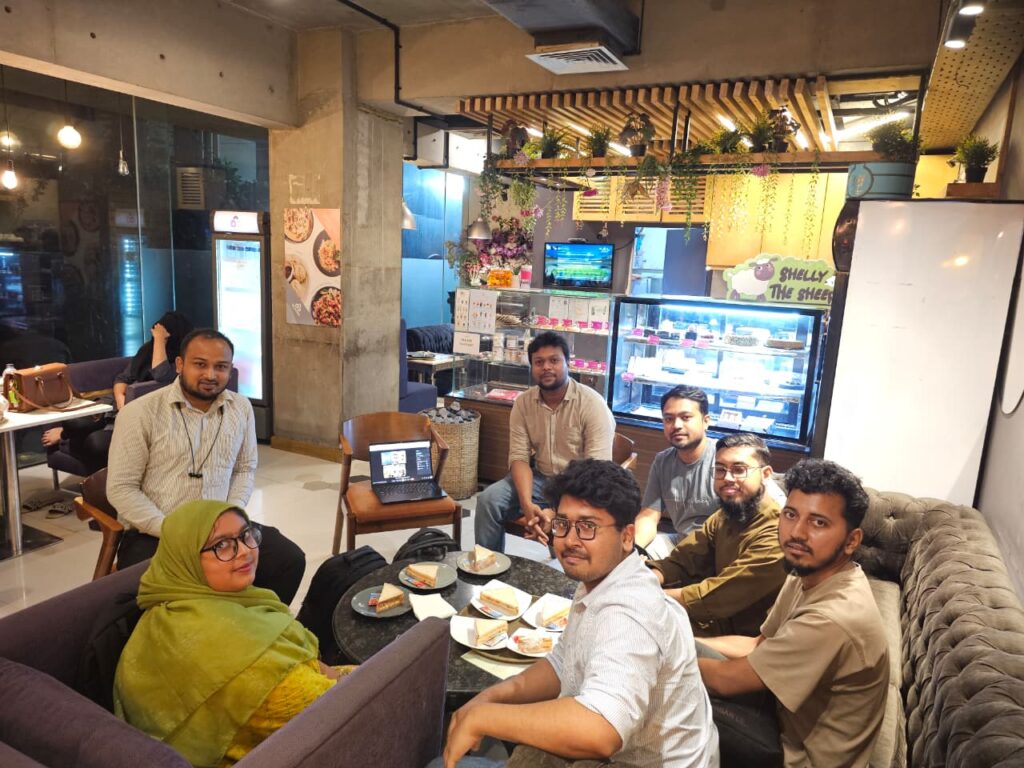
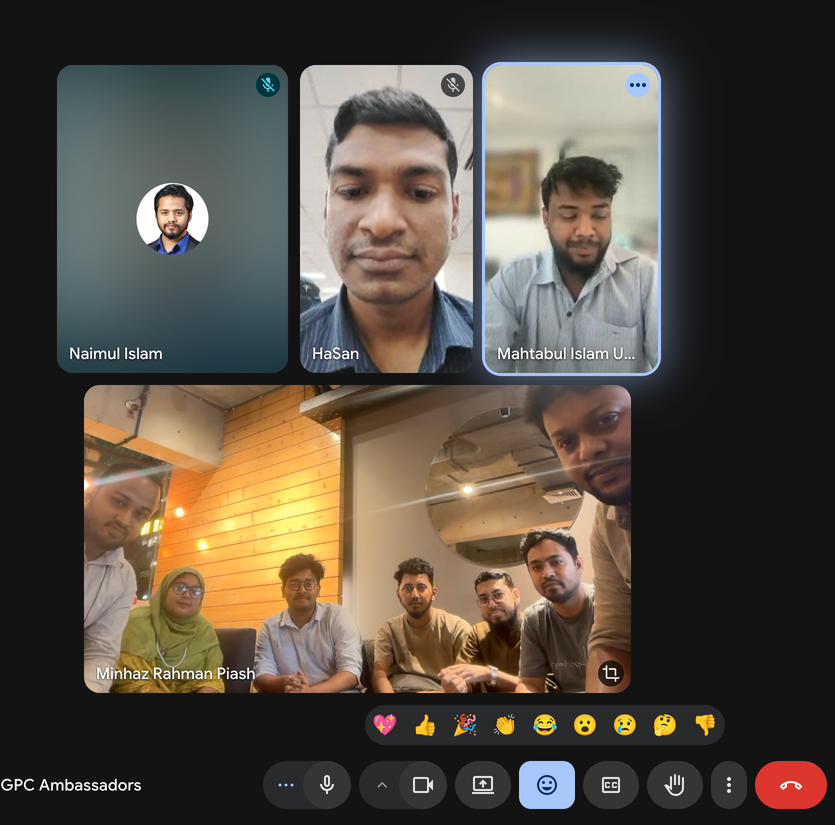
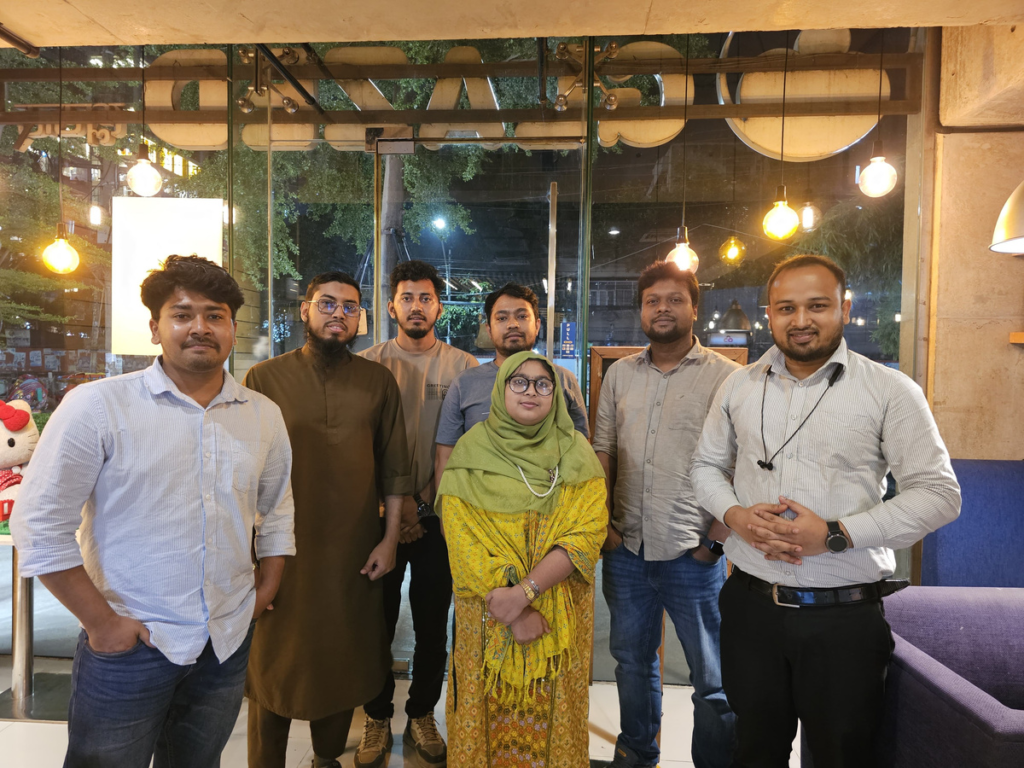
In observance of World Environment Day 2026, Global Peace Chain Bangladesh organized a Planning and Coordination Meeting titled “Building a Greener Tomorrow Through Collective Action.” The session was held on 18 May 2026 in a hybrid format, bringing together both in-person participants in Dhanmondi, Dhaka, and online participants via Google Meet.
The initiative aimed to bring together ideas, strategies, and youth-driven energy to design impactful environmental awareness activities and strengthen upcoming campaigns across Bangladesh. More importantly, it served as a reminder that environmental responsibility is not an individual burden alone, but a shared commitment that requires consistent collaboration.
Environmental protection is not only a scientific or policy concern—it is deeply connected with human survival, dignity, and long-term peace. A clean, balanced, and sustainable environment forms the foundation of healthy societies, economic stability, and community well-being.
The purpose of the meeting was to reflect on how youth engagement, volunteer action, and creative campaigning can contribute to environmental awareness and sustainable change at both local and national levels. The discussion encouraged participants to think beyond symbolic activities and focus on initiatives that can create lasting behavioral and community-level impact.
The meeting emphasized strengthening future initiatives under Global Peace Chain Bangladesh, increasing volunteer participation, and transforming environmental concern into practical and measurable community action.
At its core, the meeting carried a simple but powerful message: protecting the environment is protecting our shared future and the generations yet to come.
As Wangari Maathai once said: “It’s the little things citizens do. That’s what will make the difference. My little thing is planting trees.” This message strongly reflected the spirit of the discussion, where small collective efforts were seen as meaningful steps toward larger environmental transformation.
The meeting began with opening remarks from Mahtabul Islam Uday, Country Director, Global Peace Chain Bangladesh, who joined virtually and shared the organization’s broader vision for youth-led environmental and peace initiatives. He highlighted that environmental responsibility is not a one-time campaign, but a continuous process of awareness, education, and action.
He further emphasized the importance of consistency, innovation, and responsibility in designing impactful programs that go beyond awareness and move toward real-world implementation. His message encouraged participants to think creatively while staying grounded in practical impact.
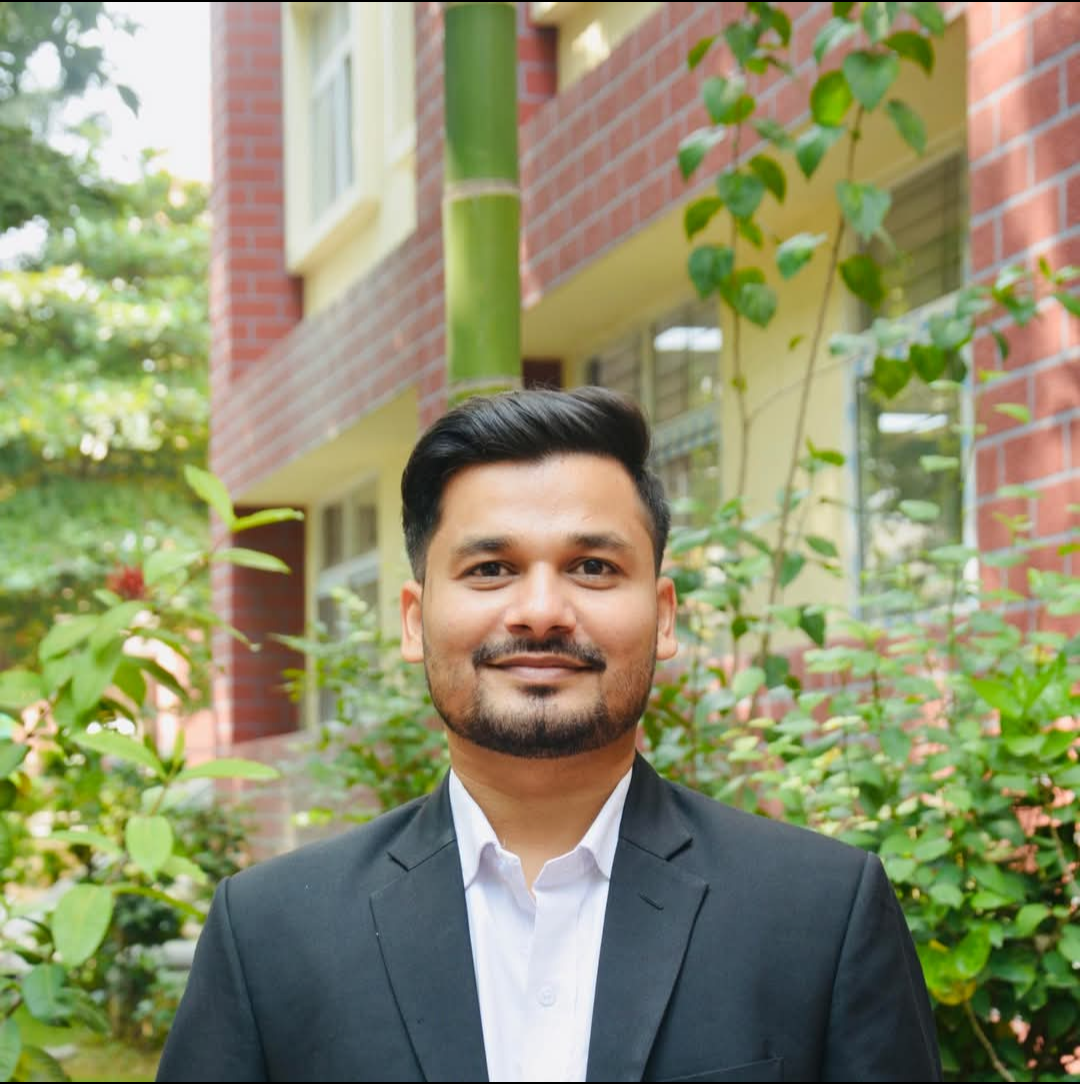
The session was chaired by S.M. Minhazur Rahman, Assistant Country Director, Global Peace Chain Bangladesh, who guided the discussion, ensured structured participation, and helped translate ideas into actionable directions throughout the meeting.
Together, their leadership created an environment of focus, motivation, and shared responsibility that shaped the tone of the entire session.
As Ban Ki-moon once stated: “Climate change is the defining issue of our time.” This reminder resonated throughout the meeting, reinforcing the urgency of collective environmental action.
The strength of the meeting lay in the diversity and engagement of its participants—both in-person and online—who contributed actively with thoughtful suggestions, creative proposals, and practical solutions.
Participants shared reflections on how environmental awareness can be strengthened at the grassroots level, particularly through youth engagement, digital storytelling, and community-based initiatives. The discussion highlighted the importance of making environmental campaigns more relatable, interactive, and action-oriented.
This inclusive participation reflected a shared belief that environmental progress cannot be achieved in isolation; it requires collective effort, continuous dialogue, and active community involvement.
As Margaret Mead famously said: “Never doubt that a small group of thoughtful, committed citizens can change the world.” This sentiment deeply aligned with the energy of the meeting, where every voice contributed to shaping a larger vision.
During the interactive session, participants shared a wide range of creative and practical ideas designed to strengthen environmental awareness, engagement, and long-term impact.
Among the most notable proposals were:
In addition, several long-term engagement strategies were discussed to strengthen volunteer motivation and consistency:
As Greta Thunberg once said: “No one is too small to make a difference.” This idea strongly reflected the spirit of the session, where every small action was seen as a meaningful contribution to a larger cause.
By the end of the meeting, several key directions were collectively agreed upon after thorough discussion and mutual understanding.
The organization decided to move forward with a special World Environment Day 2026 campaign, designed to combine both online awareness and offline community engagement activities. It was also agreed that volunteer-led initiatives would be expanded further, ensuring greater participation, ownership, and leadership opportunities for Peace Ambassadors across Bangladesh. Furthermore, the development of digital awareness content was prioritized as a central communication tool to reach wider audiences and strengthen environmental messaging in an engaging and accessible way.
These outcomes marked a significant step forward in transforming ideas into structured action plans with long-term impact potential. As Barack Obama once noted: “We are the first generation to feel the effect of climate change and the last generation who can do something about it.” This statement reinforced the urgency and responsibility behind the decisions made during the meeting.
Following the formal session, in-person participants joined a networking dinner, where conversations continued in a more informal and reflective environment. This space allowed participants to move beyond structured discussion and engage in deeper dialogue, strengthening interpersonal relationships and building a stronger sense of team unity. Such moments of informal interaction are essential in transforming a group of participants into a connected community, where shared goals are supported by mutual trust and understanding.
As Helen Keller once said: “Alone we can do so little; together we can do so much.” This message captured the essence of the gathering beyond its formal agenda.
The Planning and Coordination Meeting for World Environment Day 2026 marked more than just a preparatory session—it represented a collective commitment to environmental responsibility, youth engagement, and meaningful action.
Through dialogue, creativity, and collaboration, Global Peace Chain Bangladesh reaffirmed its dedication to promoting environmental awareness and empowering young people to take leadership in addressing global challenges at the local level. While environmental challenges continue to grow in scale and complexity, the power of collective response continues to grow as well. Each idea shared, each initiative planned, and each volunteer engaged adds another step toward meaningful change. Because true transformation does not begin only in institutions or policies—it begins in conversations, in communities, and in individuals who choose to care.
As David Attenborough beautifully said: “The future of humanity and indeed all life on Earth now depends on us.” And in that shared responsibility lies hope—the hope that through unity, awareness, and action, we can protect not only the environment we live in today, but also the world we leave behind for tomorrow.