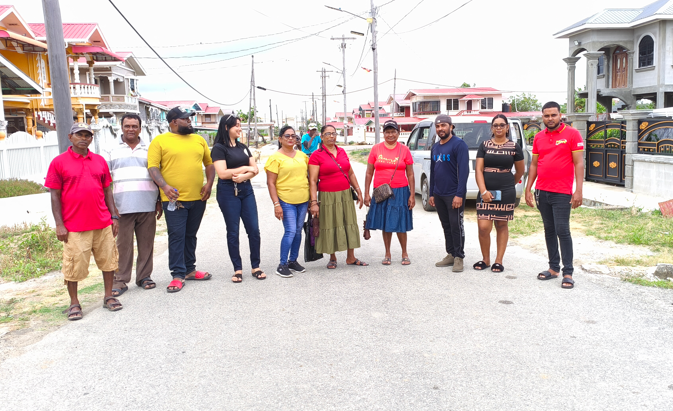
Peace is more than a concept—it is a shared responsibility that begins with individuals and grows within communities. Creating safe and harmonious societies requires the active participation of every member, and meaningful change often starts at the most basic level: our homes and neighborhoods. Recognizing this, Global Peace Chain (GPC) Guyana launched a thoughtful outreach initiative to promote peace development and encourage community-driven action against violence.
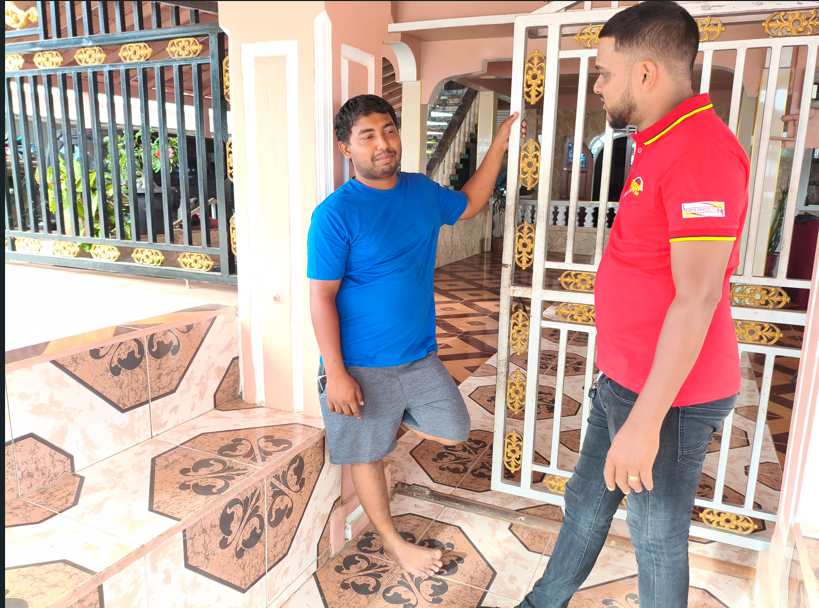
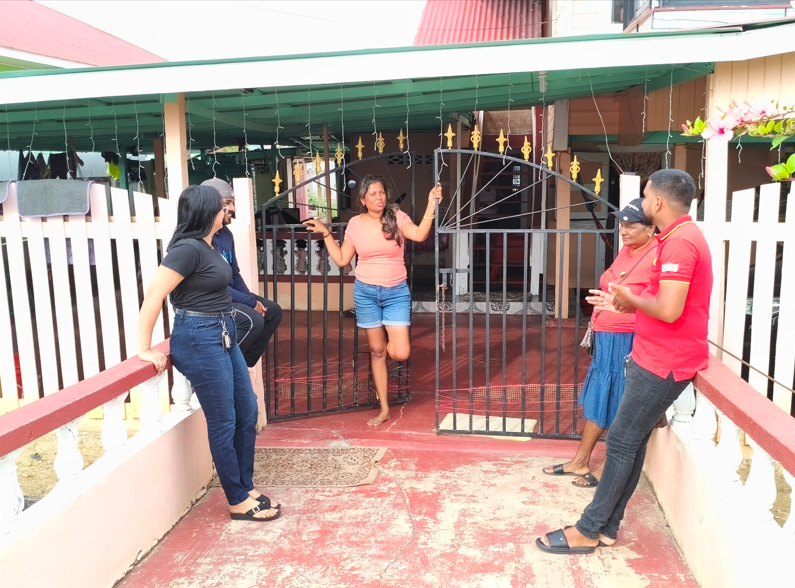
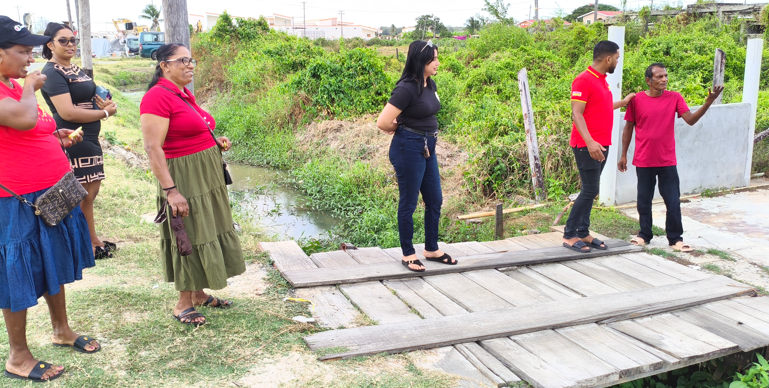
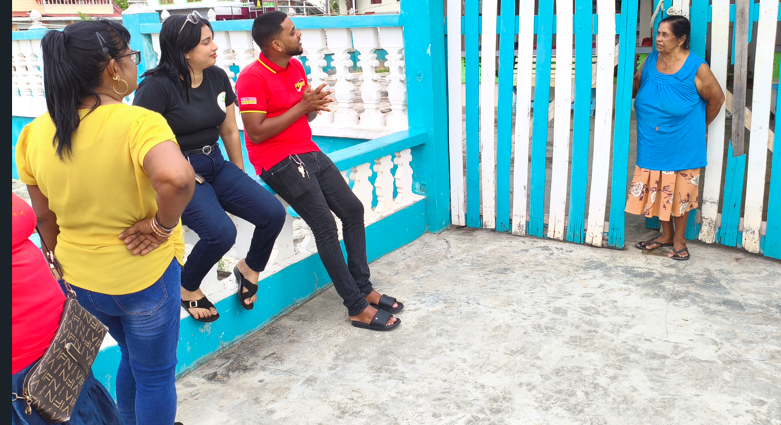
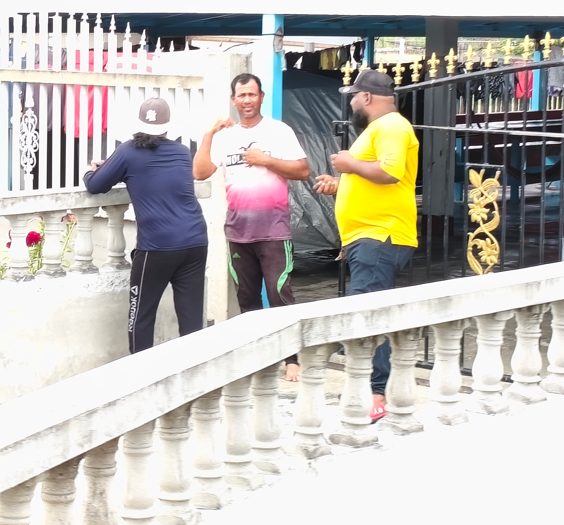
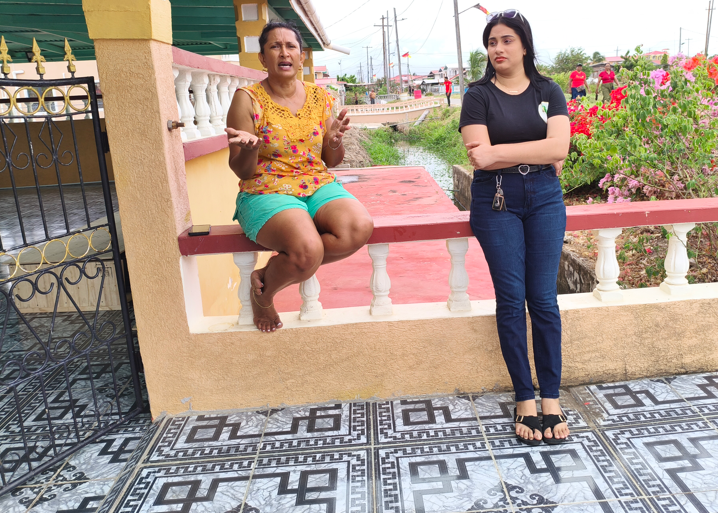
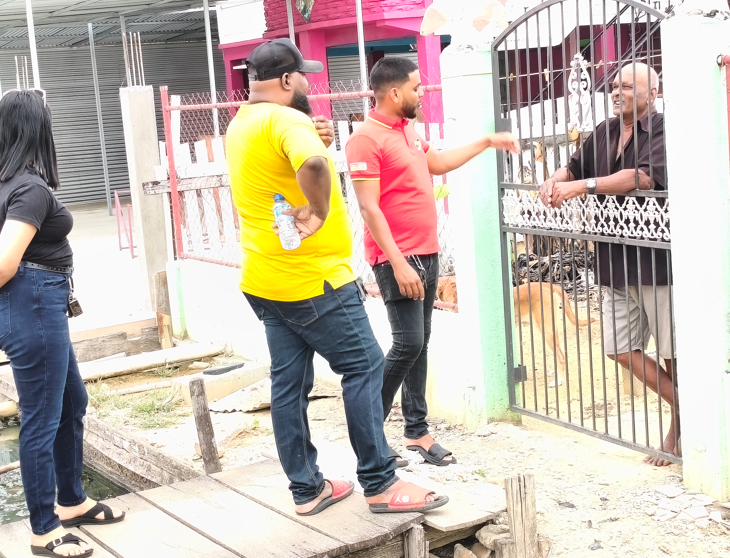
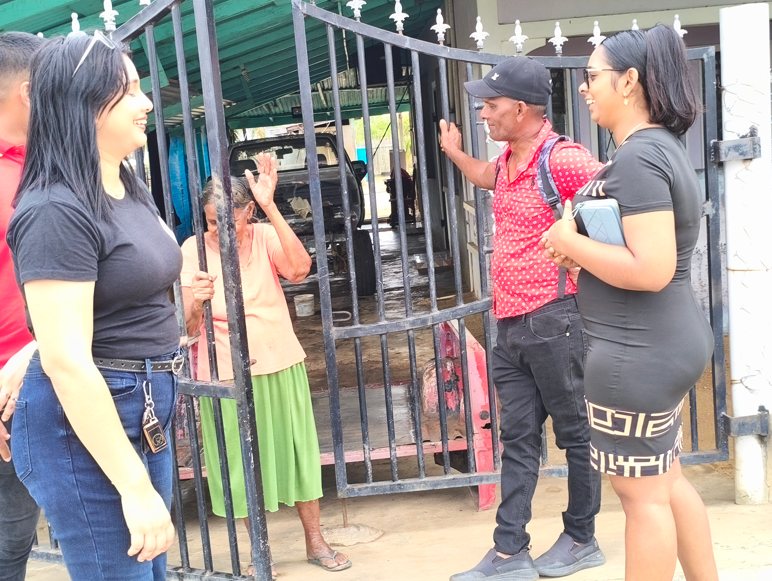
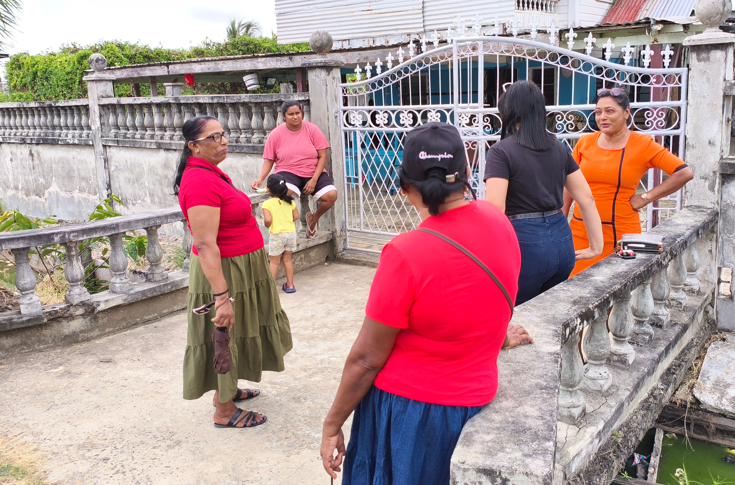
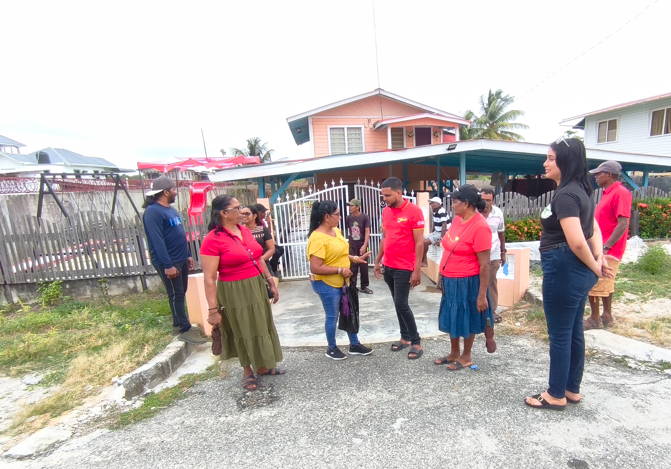
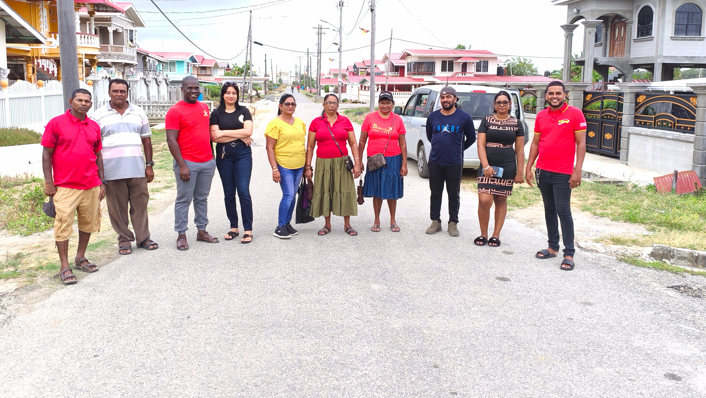
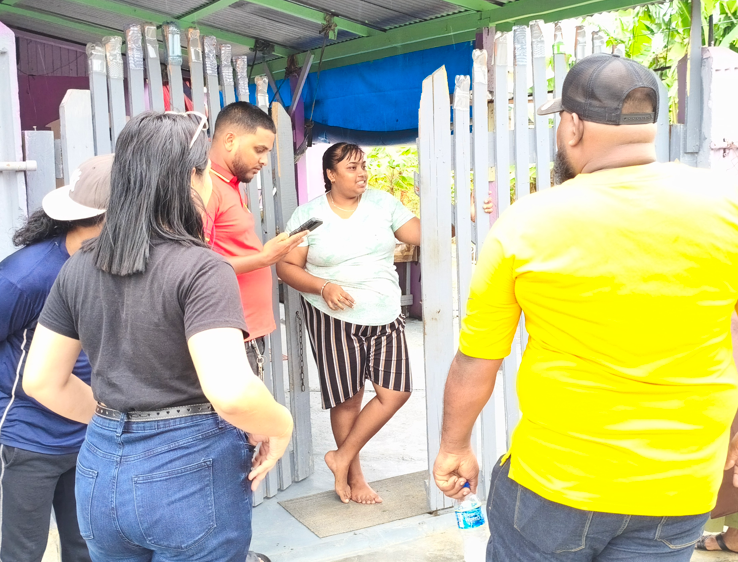
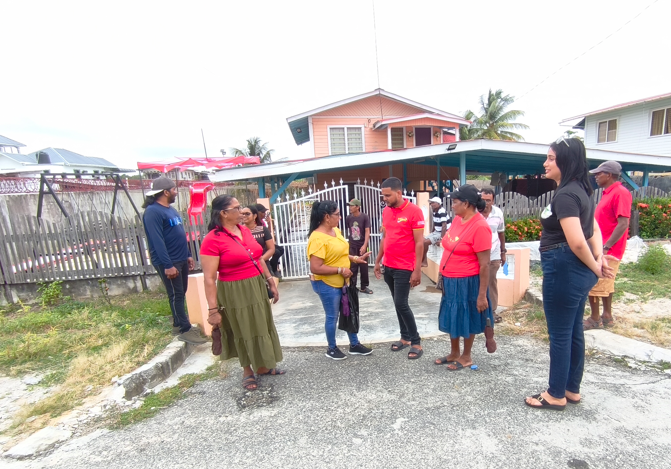
Through a house-to-house approach, GPC Guyana connected directly with residents, sharing ideas on how individuals and families can contribute to building a safer and more peaceful society. By stepping into communities and engaging people in their own spaces, the team ensured that the message of peace was not distant or abstract—it became personal, relatable, and actionable.
Unlike traditional awareness campaigns, this initiative focused on direct interaction. By visiting homes, the team was able to build genuine connections with residents and communicate the importance of peace in a more meaningful way.
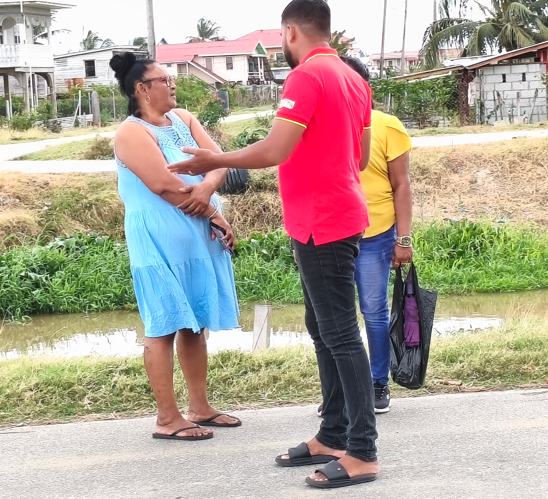
This approach allowed for open dialogue, where individuals felt comfortable sharing their thoughts, concerns, and experiences. It transformed peace from a general idea into something practical that people could relate to in their everyday lives.
The outreach focused on raising awareness about the importance of everyone playing a role in building peaceful communities. GPC Guyana emphasized that peace is not only the responsibility of governments or organizations—it is a shared effort that depends on cooperation among neighbors, families, and community leaders.
During the visits, team members engaged in open and meaningful conversations with residents. They discussed practical ways to reduce violence, encourage understanding, and build stronger relationships within the community. Simple actions—such as resolving disagreements calmly, respecting different opinions, and supporting one another—were highlighted as powerful steps toward peace.
These conversations also created space for residents to share their own thoughts and experiences. Many reflected on the challenges within their communities, while others expressed hope for a safer and more united environment.
As Martin Luther King Jr. once said:
“Peace is not merely a distant goal that we seek, but a means by which we arrive at that goal.”
GPC Guyana’s grassroots approach brought this idea to life—showing that peace grows through everyday actions, honest conversations, and a willingness to understand one another.
An important part of this initiative was not just speaking, but listening. The house-to-house visits allowed the team to understand the realities faced by different households.
Residents shared personal stories, challenges, and concerns related to safety and community life. This exchange made the outreach more impactful, as it built trust and showed that their voices mattered. It also helped in identifying areas where more awareness and support are needed.
The house-to-house initiative also served as an important opportunity for learning and awareness. Team members spoke with residents about ways to prevent violence, manage conflicts peacefully, and create a supportive environment for everyone—especially young people.
Rather than offering complex solutions, the focus remained on practical and realistic steps that individuals could apply in their daily lives. From encouraging respectful communication within families to promoting positive behavior among youth, the initiative helped people see how their actions directly influence their surroundings.
According to the United Nations Development Programme (UNDP), community-led peacebuilding initiatives can reduce local violence by up to 25%, showing that real change is possible when people come together and take responsibility.
The outreach highlighted that peace is a continuous and collective journey. When neighbors, families, and community leaders come together with a shared purpose, misunderstandings begin to fade, trust starts to grow, and communities become stronger and more connected.
By visiting homes directly, GPC Guyana bridged the gap between discussing peace and actually living it. Each interaction helped build a sense of responsibility among residents, reminding them that peace begins with their own choices and actions.
One of the key messages of the initiative was that even the smallest actions can create meaningful change. A kind word, a patient response, or a willingness to listen can prevent conflicts and build understanding.
When such actions are practiced consistently across a community, they create a ripple effect—leading to safer, more supportive environments for everyone.
As a Peace Ambassador, witnessing this initiative has been truly inspiring. GPC Guyana demonstrated that peacebuilding is not limited to policies, institutions, or large-scale programs—it starts with individuals making conscious and responsible decisions in their everyday lives.
The house-to-house outreach created an environment where dialogue felt natural, understanding grew stronger, and communities felt encouraged to embrace nonviolence as a shared value. By helping residents recognize their own role in shaping their surroundings, the initiative laid a strong foundation for long-term peace.
The Global Peace Chain mission reminds us that sustainable peace is achieved when communities come together, when individuals take responsibility, and when everyone understands the importance of their contribution.
Peace, after all, is not something we only talk about—it is something we practice together, every day, in every home, and within every community