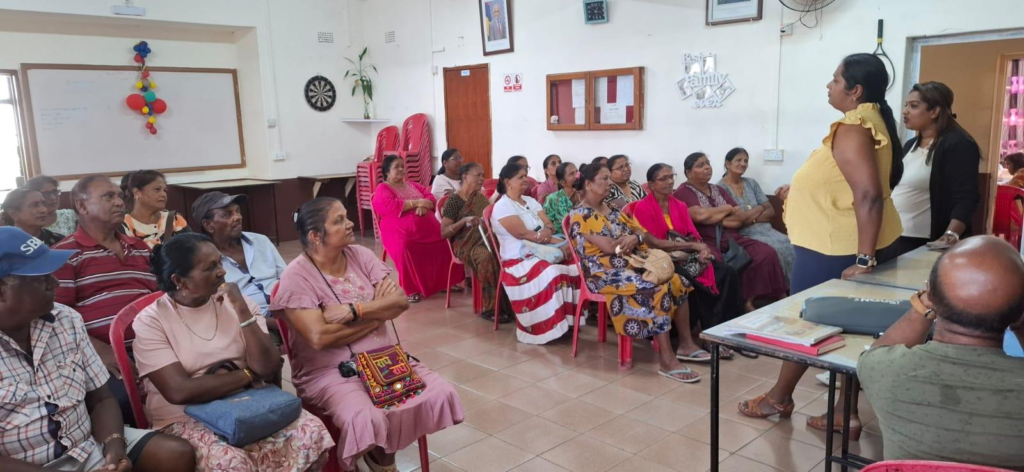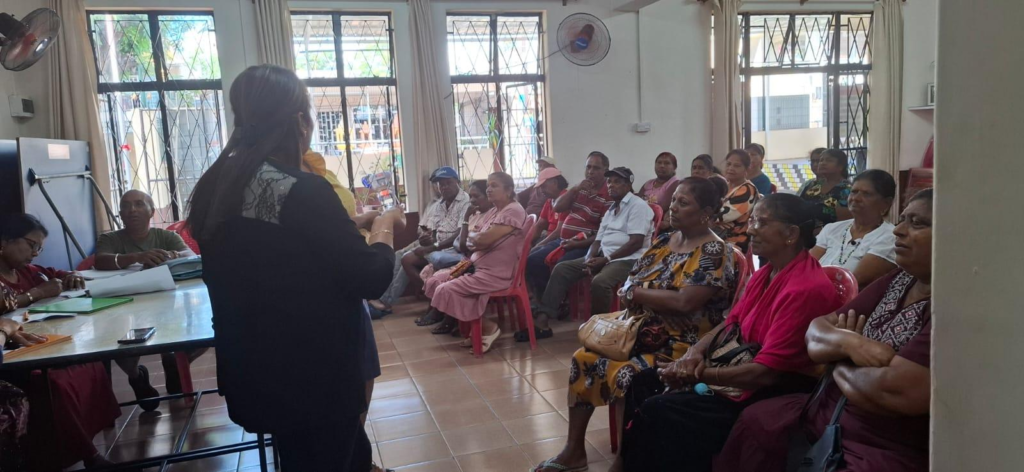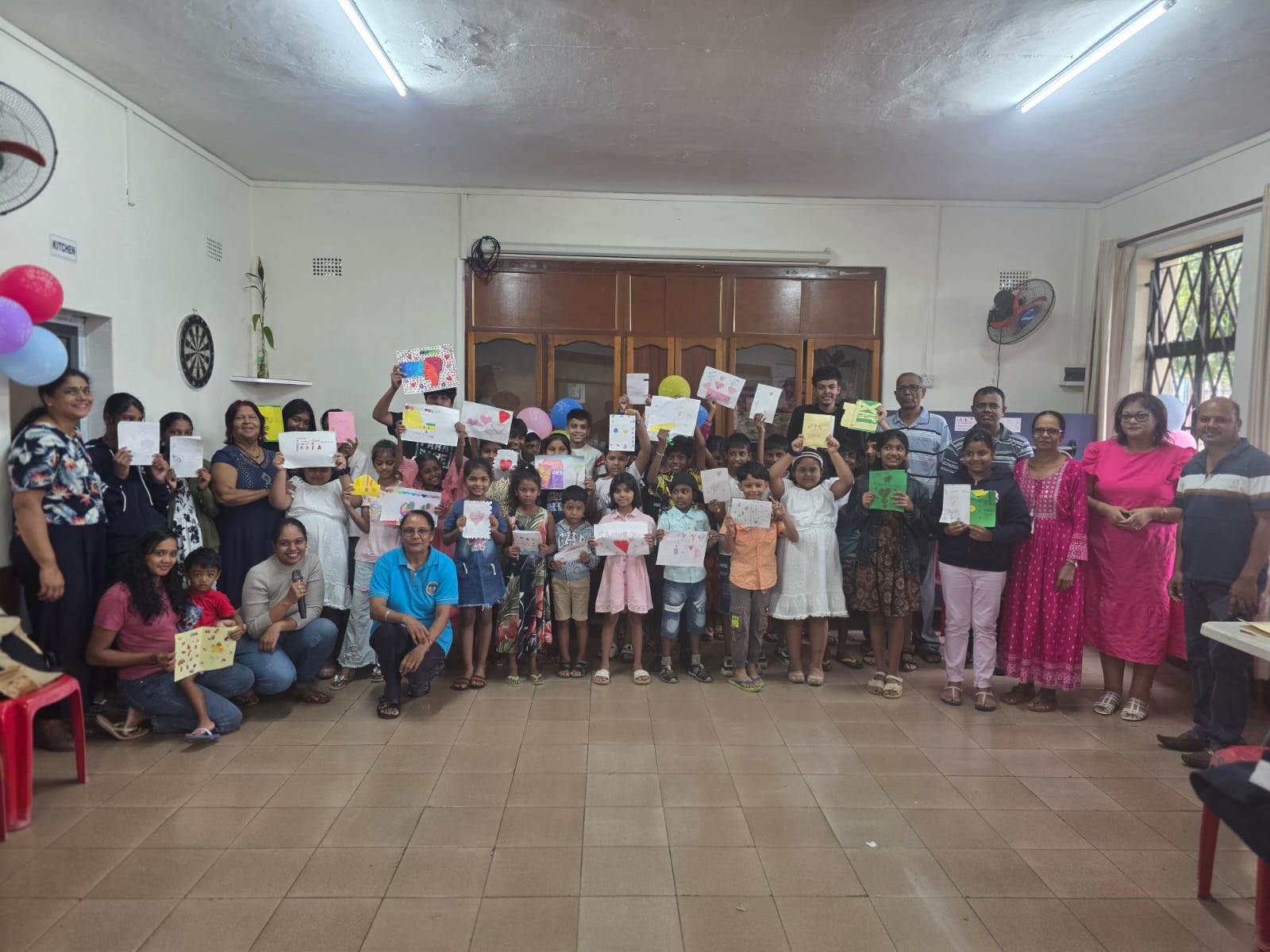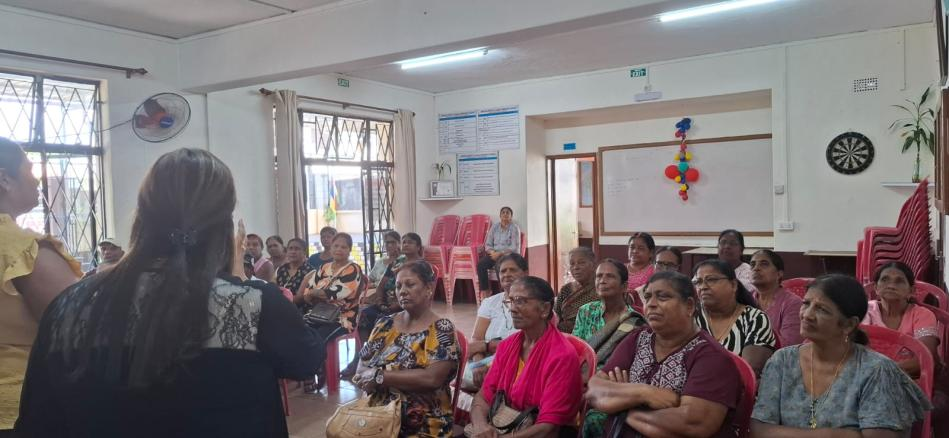
Peace is often associated with diplomacy, dialogue, and global cooperation. Yet, one of the most fundamental pillars of a peaceful society lies in the well-being of its people. A healthy community is a strong community—capable of growth, resilience, and harmony. Recognizing this essential connection between health and peace, the Global Peace Chain (GPC) Mauritius Chapter organized a meaningful initiative titled Health Talk – About Early Screening, held on April 13, 2026, at the CDA / M.S.A Community Centre in the Republic of Mauritius.
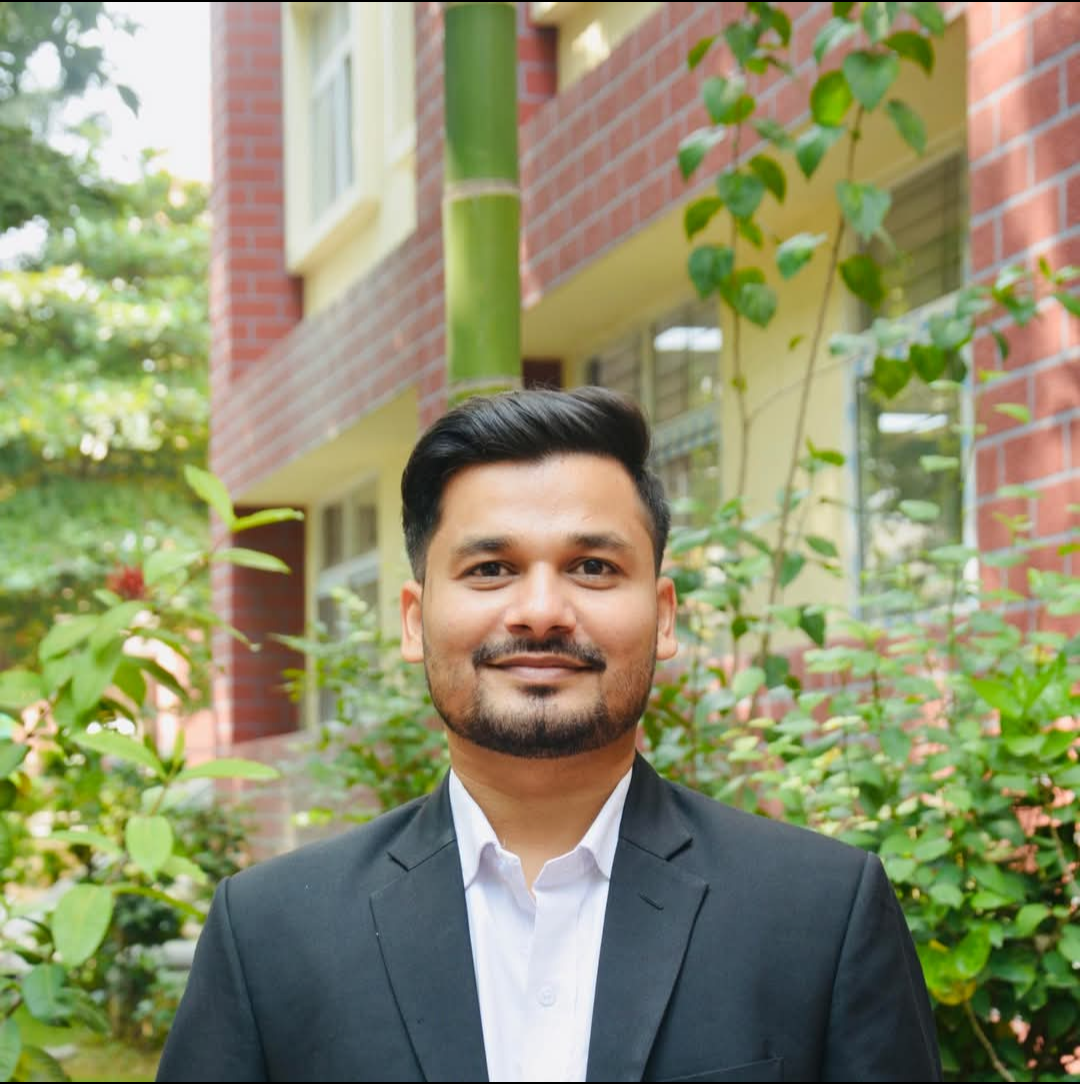
This impactful initiative was further strengthened by the leadership and dedication of Yugesh Bundhoo, Country Director of Global Peace Chain Mauritius, whose commitment to community health awareness and inclusive development reflects the core mission of the Global Peace Chain in building peaceful, just, and resilient societies.
This impactful session brought together 72 participants from diverse age groups, ranging from 15 to 70 years. More than just an informative gathering, the initiative served as a powerful platform to educate individuals, raise awareness, and inspire communities to take proactive steps toward their health and well-being.
As the World Health Organization emphasizes:
“Health is a state of complete physical, mental and social well-being and not merely the absence of disease.”
This initiative reflected that very philosophy—encouraging individuals to view health not as a reactive measure, but as a proactive responsibility.
Health talks are more than educational sessions—they are bridges between complex medical knowledge and everyday life. For many individuals, understanding medical information can feel overwhelming. This initiative simplified that process, delivering clear, practical, and actionable guidance that participants could easily integrate into their daily routines.
The session focused on early screening, a crucial aspect of preventive healthcare. Participants were educated on recognizing early signs of silent conditions such as high blood pressure and diabetes—diseases that often go unnoticed until they become severe.
Through open discussions and expert insights, the session encouraged attendees to ask questions, engage actively, and better understand their own health. By doing so, it transformed passive listeners into informed individuals capable of making conscious health decisions.
The Health Talk – About Early Screening initiative was designed not only to inform, but to create measurable and lasting impact within the community. Its success can be understood through several key performance indicators:
Participants gained essential knowledge about recognizing early symptoms of silent conditions such as high blood pressure and diabetes, enabling timely medical intervention before complications arise.
Through expert guidance, attendees were introduced to practical strategies for maintaining balanced nutrition, regular physical activity, and effective stress management—encouraging long-term behavioral change.
The session addressed common health myths and misinformation, replacing confusion with clarity and equipping participants with reliable knowledge.
By understanding key health indicators such as cholesterol and glucose levels, participants became more confident in making informed decisions and actively engaging with healthcare professionals.
The initiative emphasized that early detection and preventive care are significantly more cost-effective than treating advanced diseases, contributing to long-term economic and social well-being.
One of the most powerful outcomes of the session was increased awareness of early symptoms and risk factors associated with common health conditions.
Participants learned the importance of monitoring key health indicators—often referred to as “knowing your numbers”—including blood pressure, cholesterol levels, and glucose levels. Understanding these markers empowers individuals to detect potential issues early and seek timely medical advice.
As Benjamin Franklin wisely said:
“An ounce of prevention is worth a pound of cure.”
This message resonated strongly throughout the session, reinforcing the idea that early detection can prevent complications and significantly improve quality of life.
Beyond awareness, the initiative emphasized the importance of adopting healthier lifestyles. Experts shared practical guidance on balanced nutrition, regular physical activity, and effective stress management—simple yet powerful habits that contribute to long-term well-being.
Participants were encouraged to view health as a continuous journey rather than a one-time effort. Small, consistent changes—such as mindful eating, staying active, and managing stress—can collectively create a lasting impact.
Research consistently shows that communities that prioritize healthy living experience lower rates of chronic diseases and improved overall quality of life. By promoting these habits, the initiative contributed not only to individual well-being but also to the collective strength of the community.
In today’s digital age, misinformation about health is widespread. Many individuals rely on unverified online sources, which can lead to confusion and harmful practices.
The health talk provided a reliable platform to address these misconceptions. Experts clarified common myths, replaced misinformation with accurate knowledge, and guided participants toward credible health practices.
By fostering trust in accurate information, the initiative strengthened the relationship between individuals and healthcare awareness—an essential factor in building informed and responsible communities.
A key highlight of the session was its focus on empowering participants to take control of their health decisions.
By understanding their health indicators and learning preventive strategies, individuals felt more confident in communicating with healthcare professionals and making informed choices. This sense of empowerment transforms healthcare from a passive experience into an active partnership.
According to global health studies, individuals who are informed about their health are more likely to engage in preventive behaviors and adhere to treatment plans—leading to better outcomes and improved quality of life.
The Health Talk – About Early Screening initiative proved highly effective in enhancing community awareness and promoting proactive health management. Participants left with a deeper understanding of their bodies, a commitment to healthier lifestyles, and the confidence to make informed decisions.
By encouraging early detection and preventive care, the initiative also contributes to reducing long-term healthcare costs—an important step toward building sustainable and resilient communities.
More importantly, it highlighted a powerful truth:
Peace is not only about resolving conflicts—it is about creating conditions where individuals can live healthy, informed, and fulfilling lives.
Each participant, regardless of age or background, became part of a shared vision—a vision where awareness leads to action, and action leads to well-being.
Through knowledge, prevention, and community engagement, the Global Peace Chain Mauritius Chapter demonstrated that health is a cornerstone of peacebuilding. When individuals are empowered to care for themselves, they contribute to a stronger, more harmonious society.
Because sometimes, the most meaningful steps toward peace are not taken in conference halls.
They are taken in communities.
They are built through awareness.
They are strengthened through care.
Peace, after all, begins with well-being.
And well-being begins with awareness.