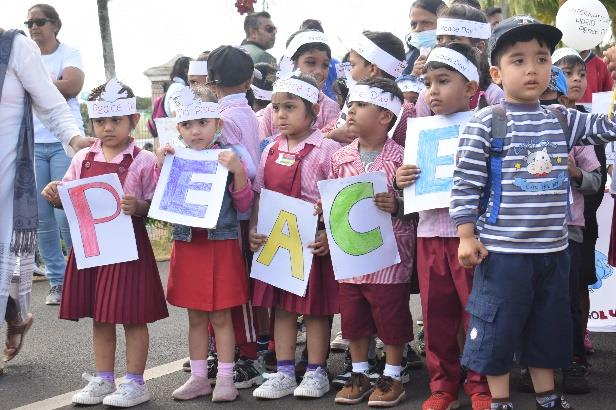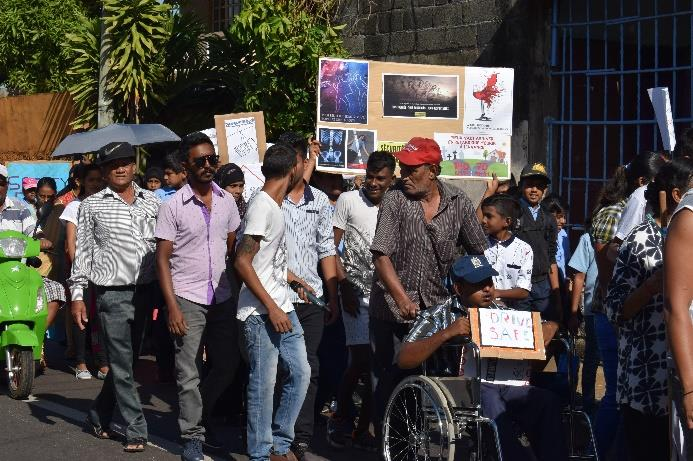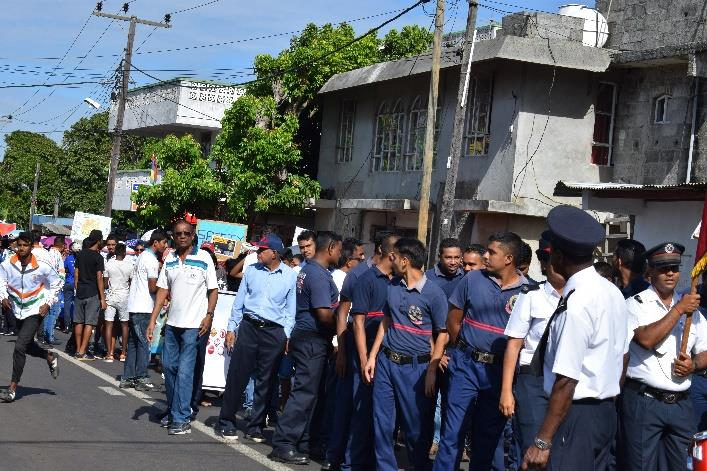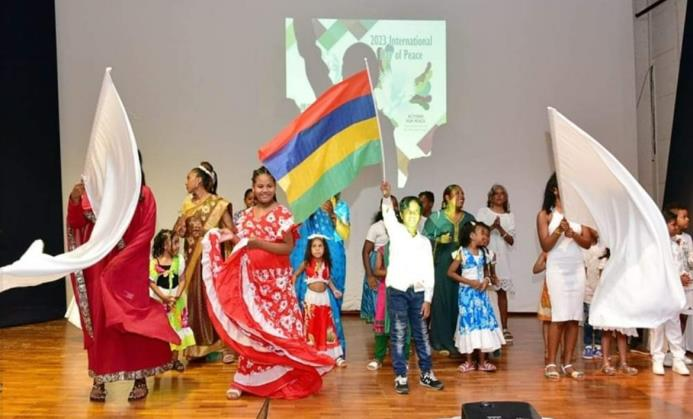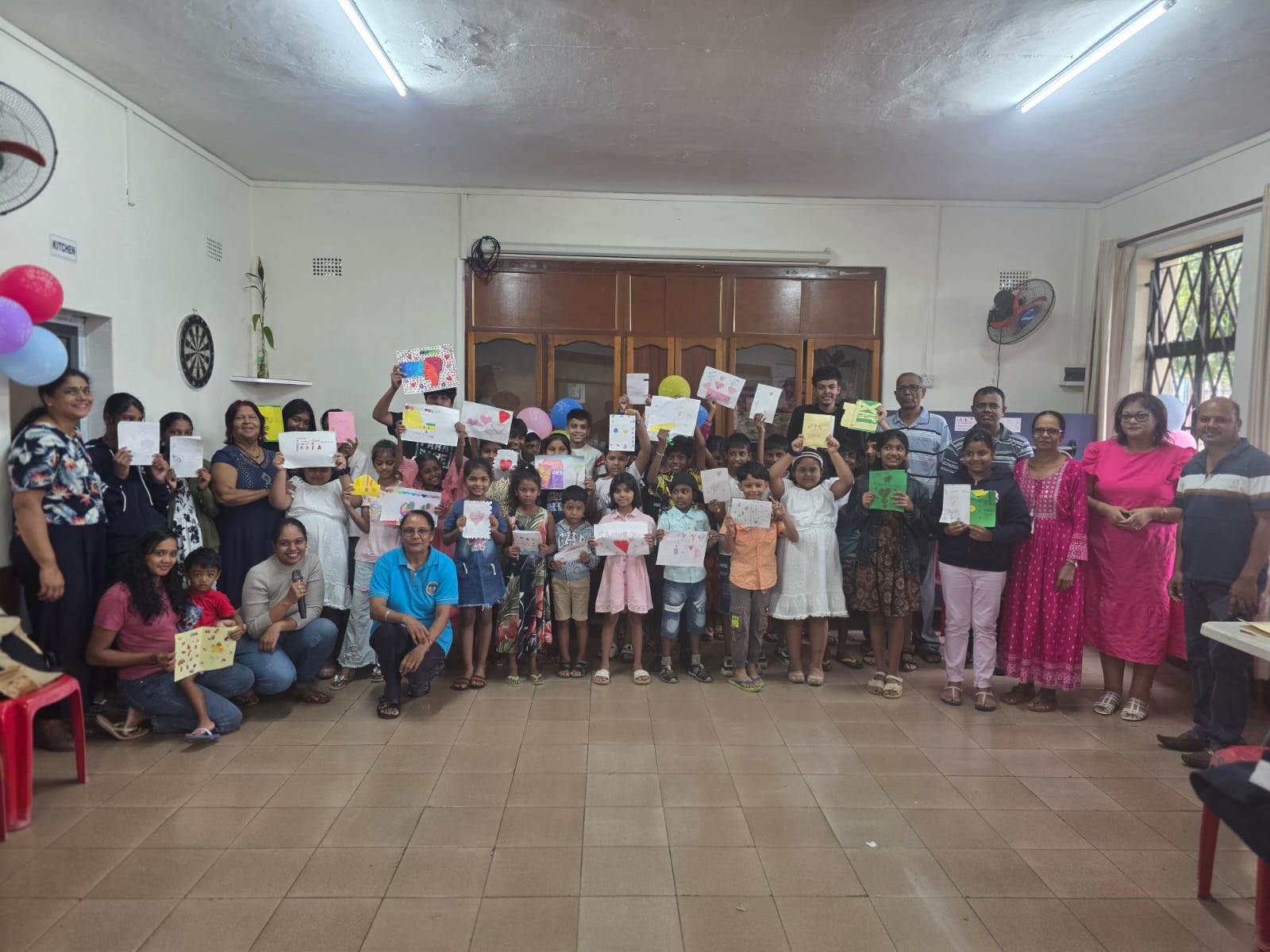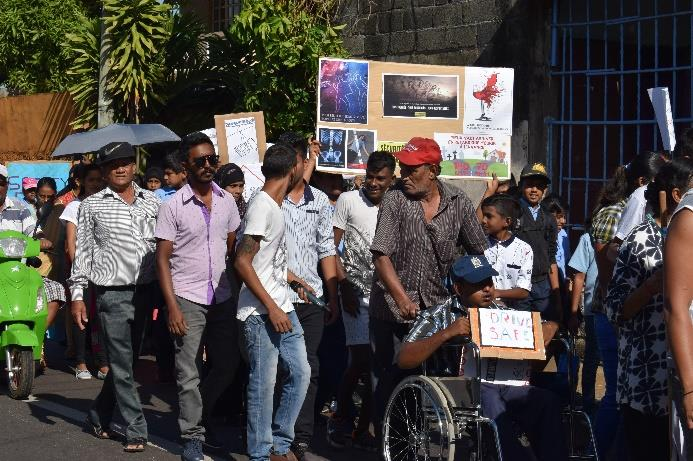
“Imagine a world where every voice is heard, every life is respected, and every action contributes to harmony.” This vision came alive on September 21, 2025, as Global Peace Chain (GPC) organized a dynamic Peace March to commemorate the International Day of Peace. More than a symbolic gesture, the march transformed streets into a platform for awareness, advocacy, and action, engaging youth, community members and partner organizations in a collective effort to confront pressing social challenges and promote a culture of inclusion, empathy and responsibility.
From elderly abuse to gender inequality, road safety and social disparities, participants used the march to shine a spotlight on issues that quietly undermine community well-being. Carrying placards, banners and powerful messages, they reminded society that peace is built not only through policy or diplomacy but through the everyday actions, respect and responsibility of citizens.
The Peace March highlighted social issues that are often overlooked yet have profound effects on harmony and well-being. Elderly abuse, for example, was brought into public focus to emphasize that respect and care for older generations are vital components of a peaceful society. Similarly, gender equality initiatives reinforced the idea that empowering women and girls is fundamental for creating inclusive, resilient communities.
Road safety, another key focus, reminded participants and onlookers that peace also involves preventing harm and protecting lives in everyday activities. Through the use of creative slogans, banners and interactive street campaigns, GPC encouraged the community to understand that addressing these social challenges is a collective responsibility. Each placard, each message, served as a call to action, emphasizing that small, mindful actions contribute to broader societal harmony.
A central theme of the Peace March was the understanding that peace begins at the community level. While global policies and international agreements are essential, sustainable peace relies on local engagement, dialogue, and collective responsibility. The march provided a unique platform where participants could discuss everyday social challenges and explore actionable solutions.
Interactive discussions and community dialogues encouraged participants to engage with issues like road safety, elderly care, gender inclusion, and youth empowerment. By involving citizens in practical problem-solving, the Peace March demonstrated that peace is not a passive state but a dynamic process built through conscious, consistent action.
Youth participation was at the forefront of GPC’s International Day of Peace observance. Recognizing that young people are not just beneficiaries of peace initiatives but active agents of change, the march involved students, youth leaders and volunteers in leading advocacy campaigns and public messaging.
Young participants contributed by designing banners and leading street dialogues that highlighted themes of tolerance, empathy and civic responsibility. These activities not only raised awareness among the public but also helped youth develop leadership skills, teamwork, and critical thinking, ensuring they are equipped to continue peacebuilding efforts in the future.
Moreover, the march reinforced the importance of values-based learning. Beyond academic skills, youth were encouraged to cultivate respect, empathy, civic engagement and global citizenship, all of which are essential for nurturing responsible, proactive citizens who can champion social change.
Global Peace Chain understands that peace is multidimensional, intersecting with health, education, gender, civic responsibility and safety. The Peace March reflected this understanding through a multisectoral approach, addressing issues that collectively influence social harmony.
For example, road safety campaigns emphasized responsible driving and adherence to traffic regulations, demonstrating how individual actions directly impact the safety of communities. Gender equality initiatives highlighted access to education and equal opportunities, while advocacy for elderly care underscored the importance of dignity and inclusion for older community members.
This holistic approach illustrates that achieving sustainable peace requires simultaneous attention to multiple social factors, ensuring that advocacy is inclusive, effective, and far-reaching.
The Peace March also reinforced the idea that peacebuilding is a shared responsibility. Parents, educators, community leaders and civil society members were encouraged to work together to create safe, supportive and inclusive environments. By fostering dialogue and collaboration, GPC highlighted that sustainable peace requires joint efforts from every member of society.
Visual advocacy—through banners, creative slogans and public performances—proved to be a powerful tool for engagement. These methods helped translate abstract concepts of peace into tangible actions, inspiring behavioral change at the community level. Participants demonstrated that even small individual efforts can collectively create significant social impact.
The International Day of Peace 2025 reaffirmed Global Peace Chain’s commitment to fostering a culture of peace through advocacy, awareness and active citizen participation. The Peace March demonstrated that collective reflection, youth empowerment and community engagement are critical for addressing social challenges and building harmonious societies.
Looking ahead, GPC aims to expand community initiatives, strengthen partnerships and advocate for inclusive policies that promote equity, dignity, and empowerment. By continuing to empower youth and engage communities, the organization envisions a society where peace is not just an ideal but a lived reality for everyone.
The march also highlighted a simple yet profound truth: peace is cultivated through awareness, nurtured through action and sustained by shared responsibility. Through initiatives like the Peace March, Global Peace Chain reminds us that everyone has a role to play in creating a safer, more inclusive and compassionate world.
On this International Day of Peace, Global Peace Chain stands united with the global community in calling for collaboration, civic engagement, and social responsibility. When communities act together, when youth are empowered, and when social challenges are addressed collectively, peace becomes achievable—and sustainable—for all.