Health and well-being are often discussed in policy papers, conferences, and public debates. Yet, some of the most meaningful interventions happen not in offices or committees, but directly within the communities themselves. Under the guidance of Alex Dane Fraser, Country Director of Global Peace Chain Guyana, the organization is committed to ensuring that access to quality healthcare, community dialogue, and social support are available to every resident.
In March 2026, Global Peace Chain embarked on two transformative initiatives that exemplify this mission: a medical outreach program at Victoria Health Center and a community engagement session in Woodley Park, West Coast Berbice. Together, these programs aimed to improve health outcomes, foster dialogue, and empower residents to take an active role in shaping their communities.
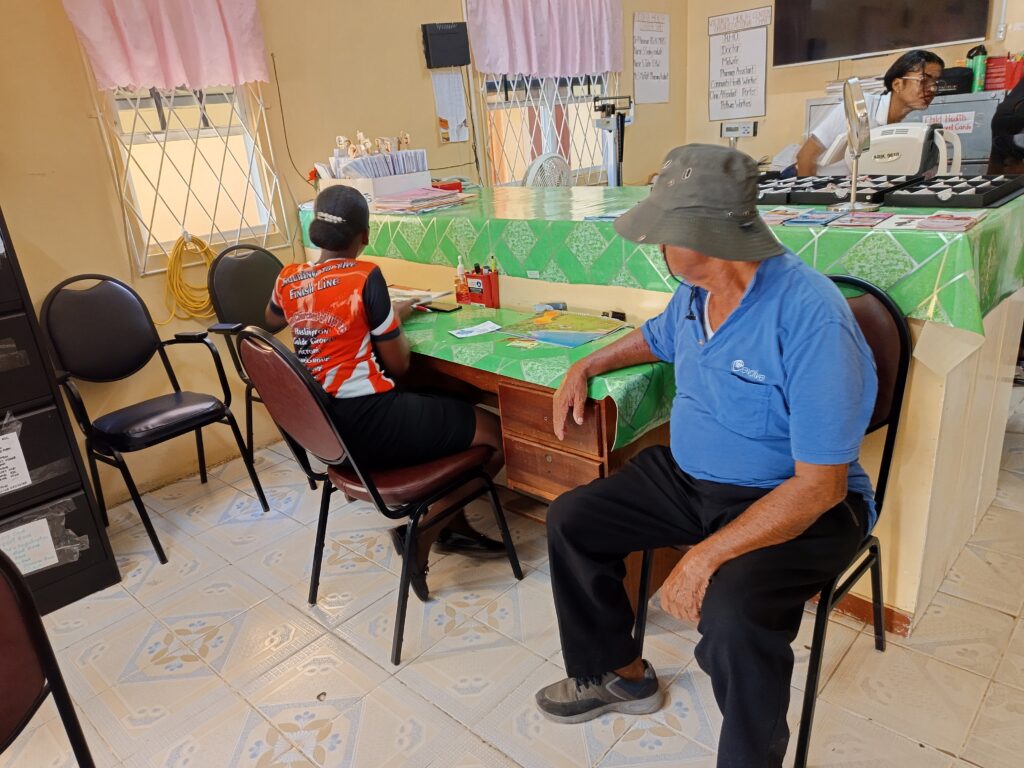
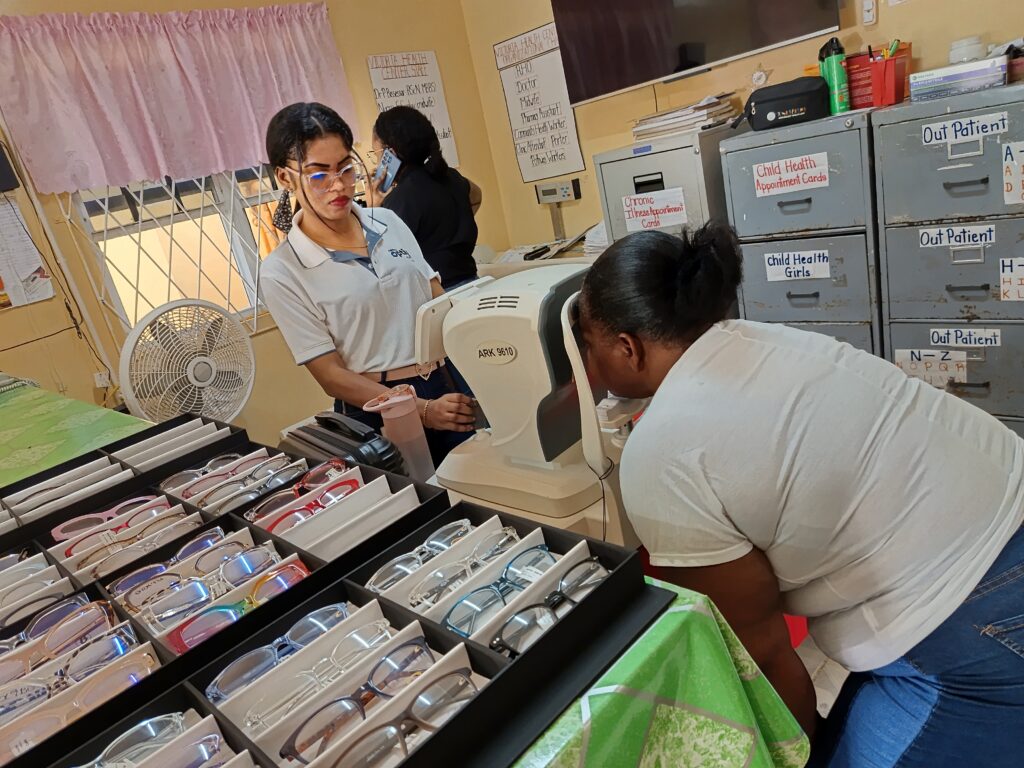
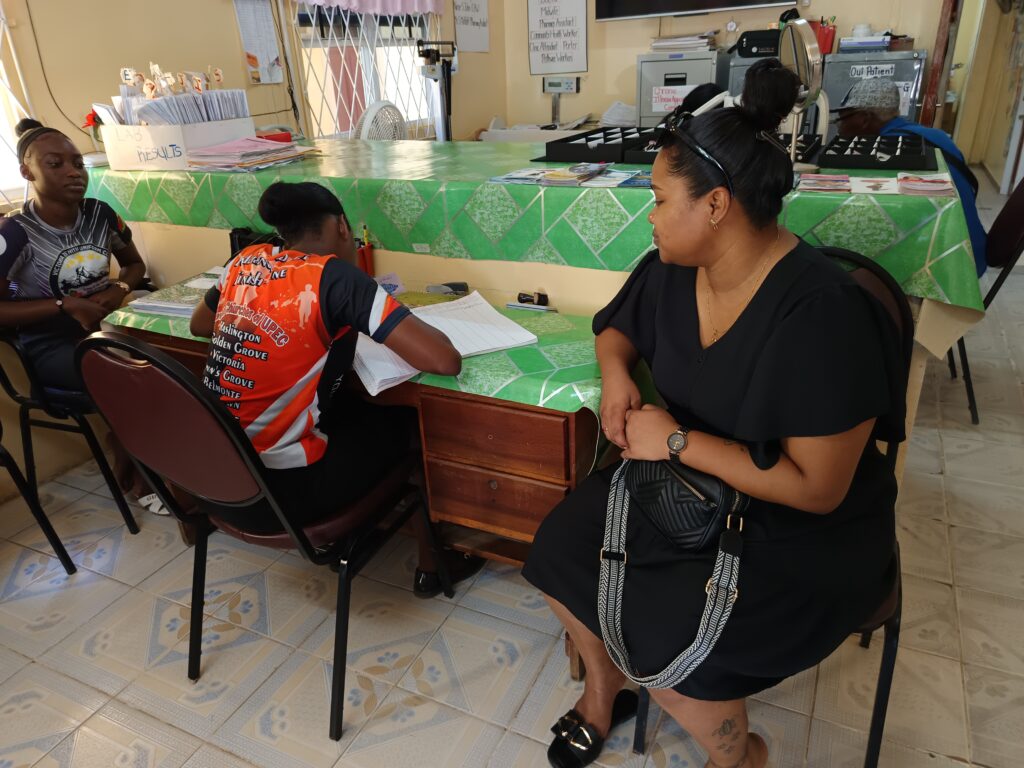
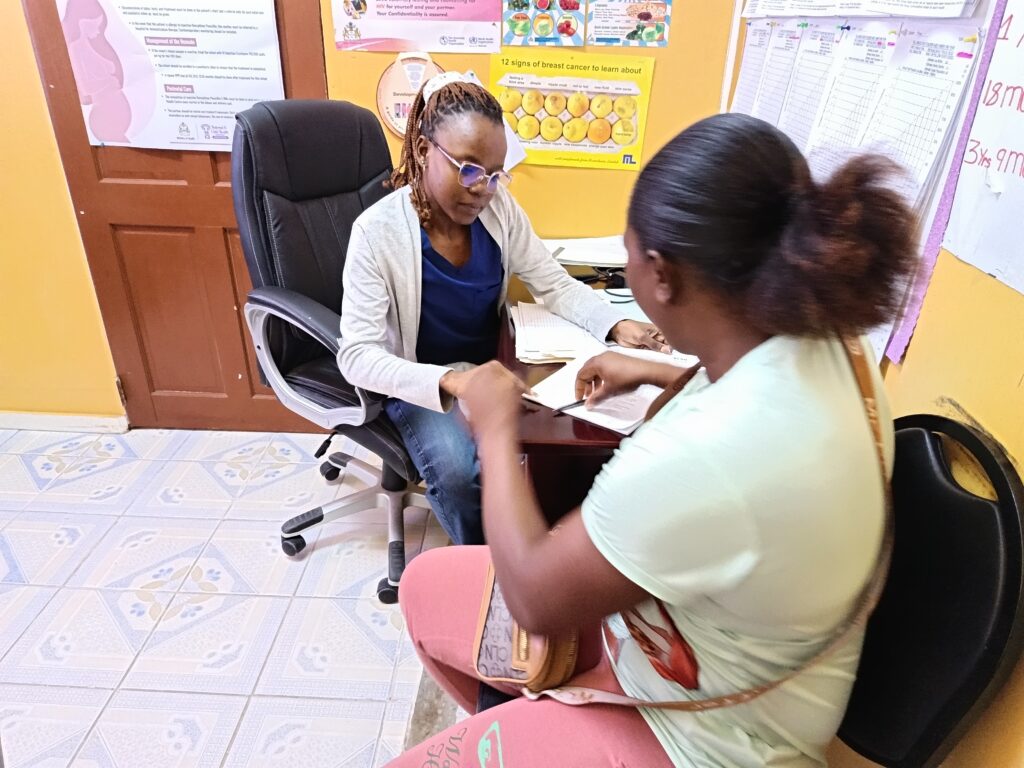
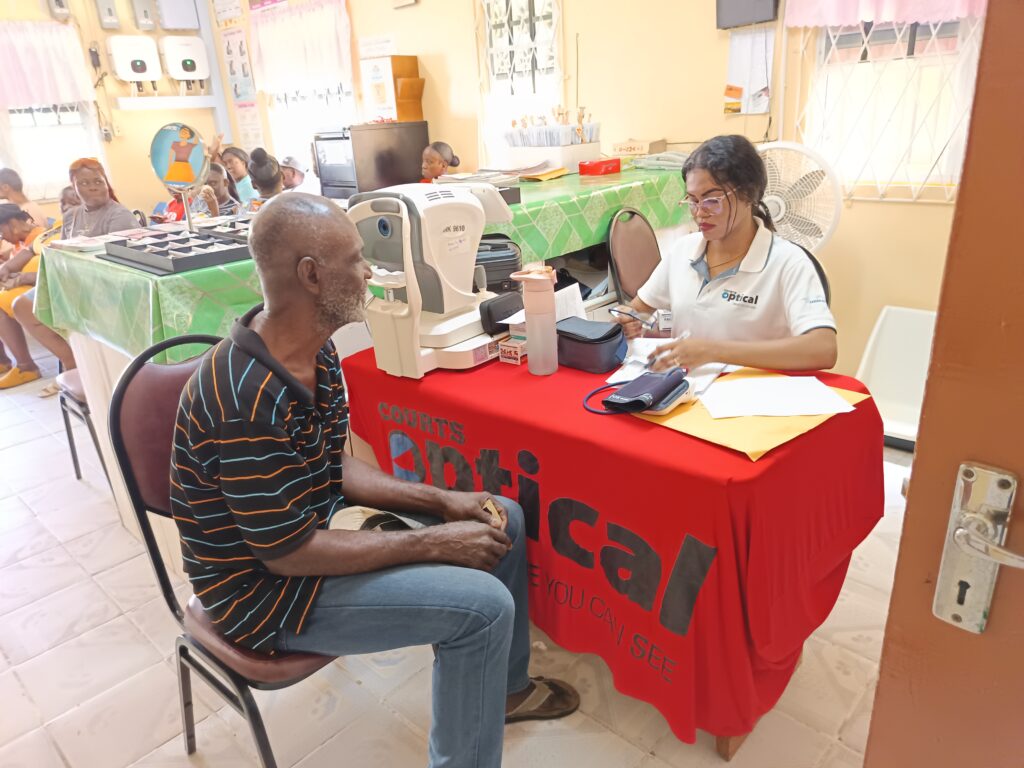
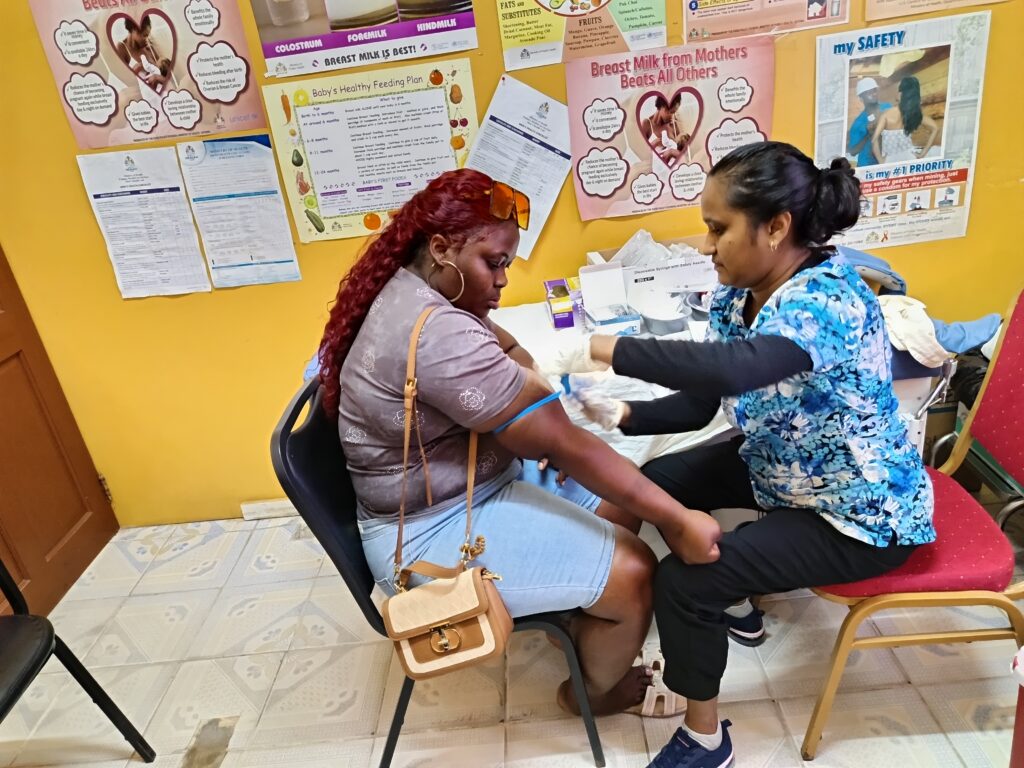
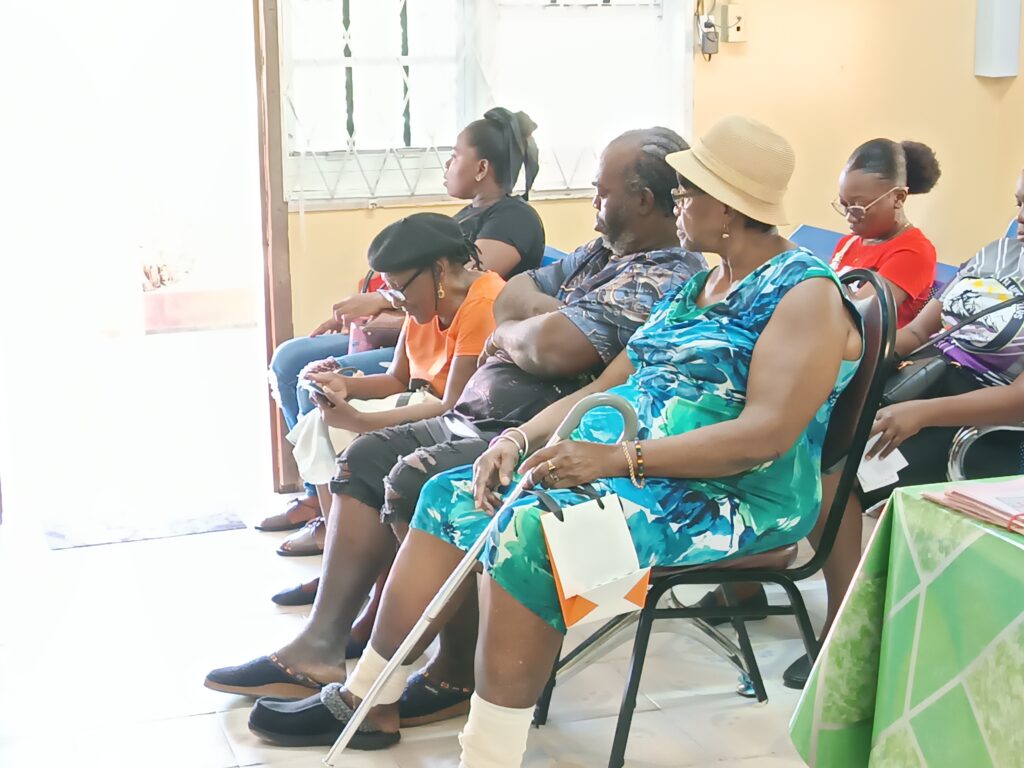
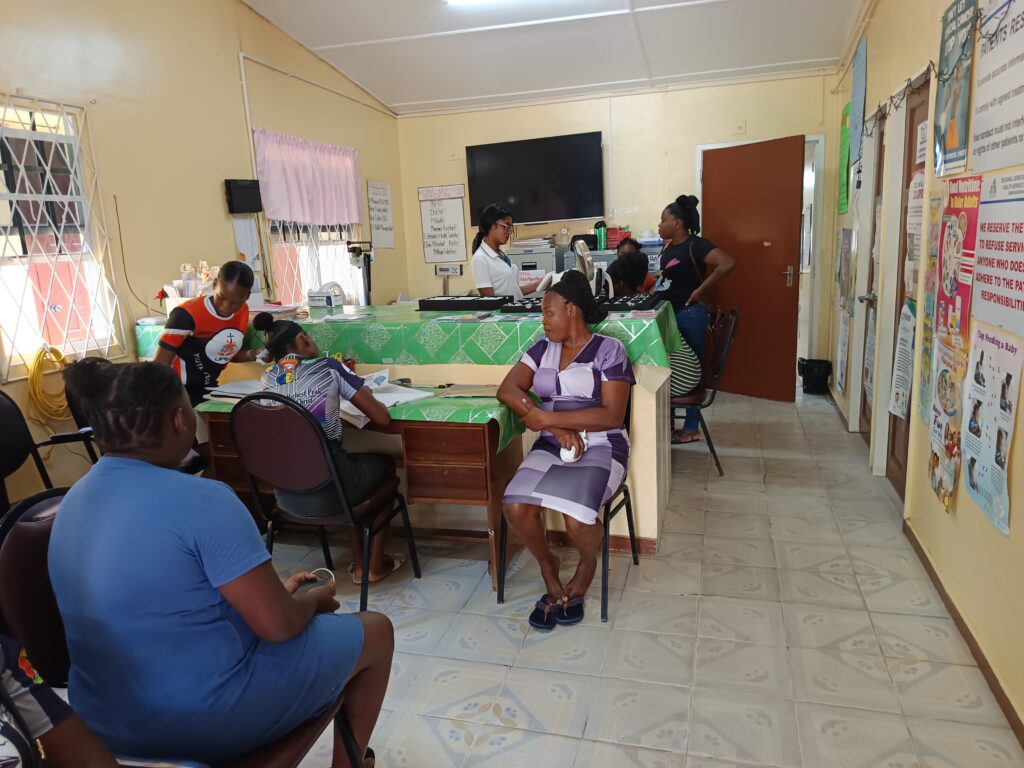
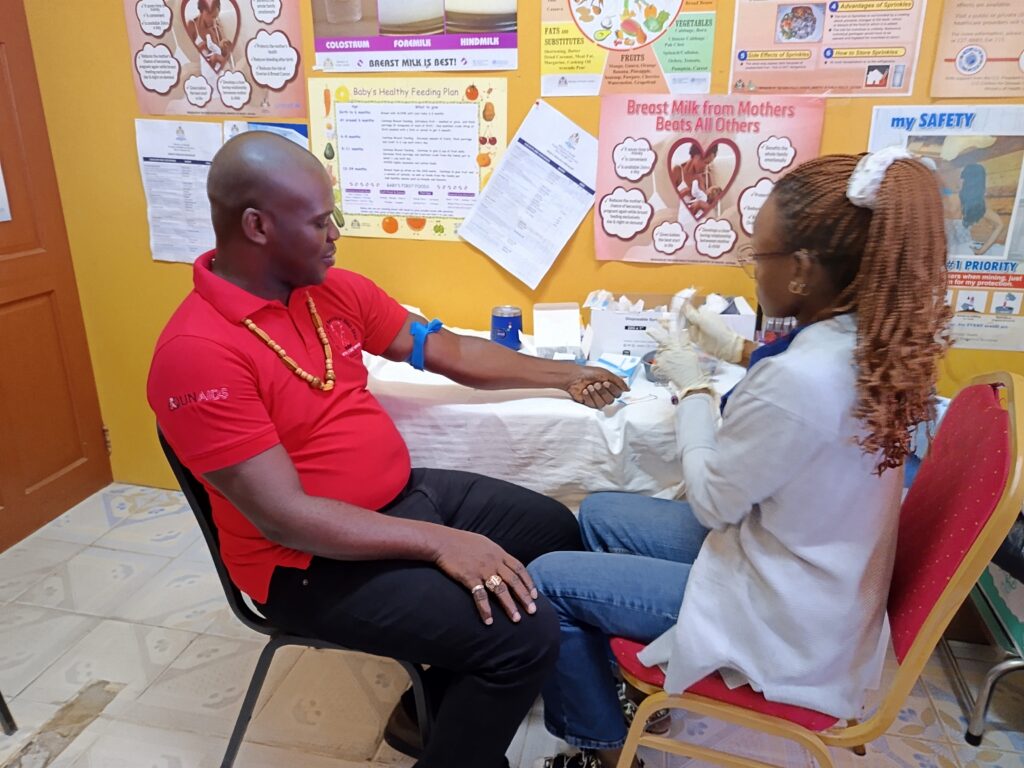
On Saturday, 21st March 2026, Victoria Health Center became a hub of hope and care. Residents from Victoria and surrounding areas lined up to receive eye examinations and laboratory tests, many for the first time in months or even years. The event was organized by Global Peace Chain Guyana in partnership with the Ministry of Health, reflecting a commitment to preventive care and community-focused healthcare delivery.
Thirty individuals received comprehensive eye assessments, including vision screening, refraction, and general eye health checks. Many shared that this was the first time their vision had been professionally tested in years. For some elderly participants, the event offered reassurance and clarity about conditions like cataracts and glaucoma, providing guidance for further treatment.
At the same time, another thirty community members benefited from vital laboratory services, including complete blood counts, liver and kidney function tests, lipid profiles, prostate-specific antigen checks, urine analysis, and HbA1c testing. These tests provided not just medical data, but a window into early detection and preventive care, enabling participants to understand their health risks before conditions became serious.
The outreach was powered by dedicated medical professionals and lab technicians, who worked tirelessly to ensure that every participant was treated with respect, attention, and care. Their expertise transformed a simple medical check-up into a lifesaving experience for many.
This initiative also coincided with World Down Syndrome Day and the International Day for the Elimination of Racial Discrimination, highlighting Global Peace Chain’s broader commitment to inclusion, awareness, and social justice. By combining healthcare with global advocacy, the outreach emphasized that healthcare is a right, not a privilege, and that communities thrive when no one is left behind.
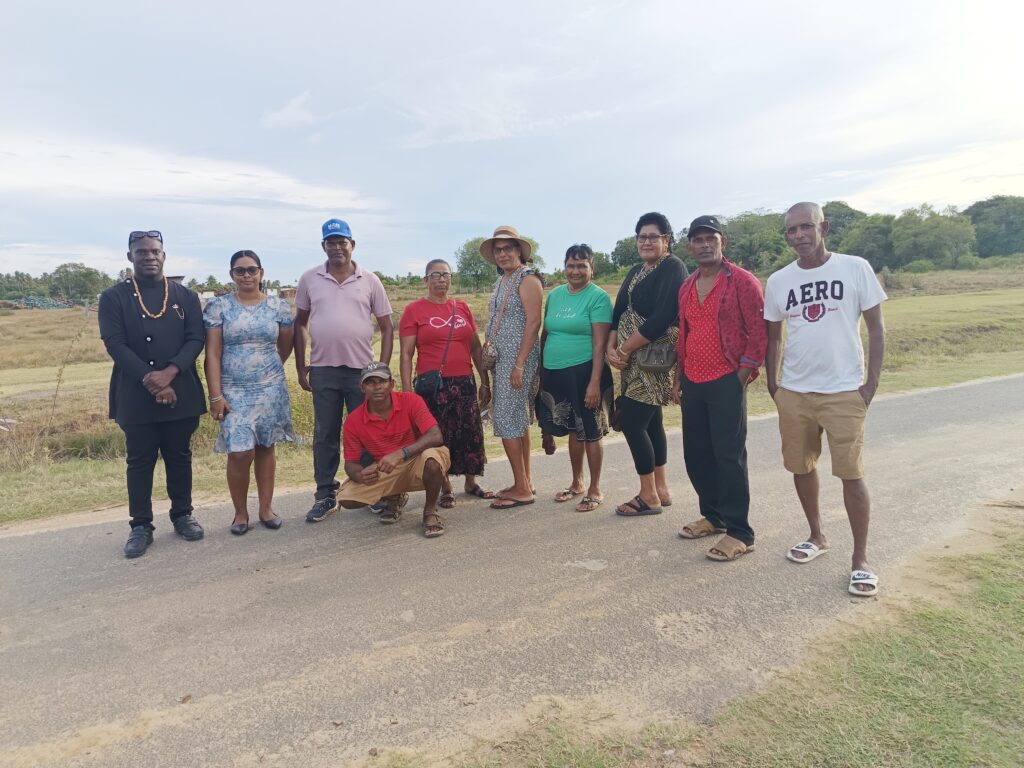
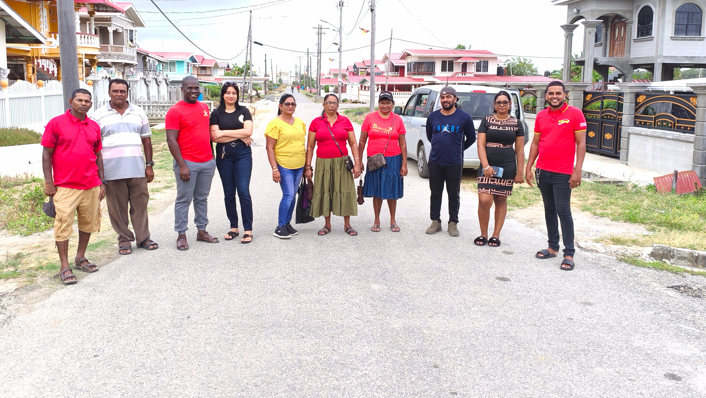
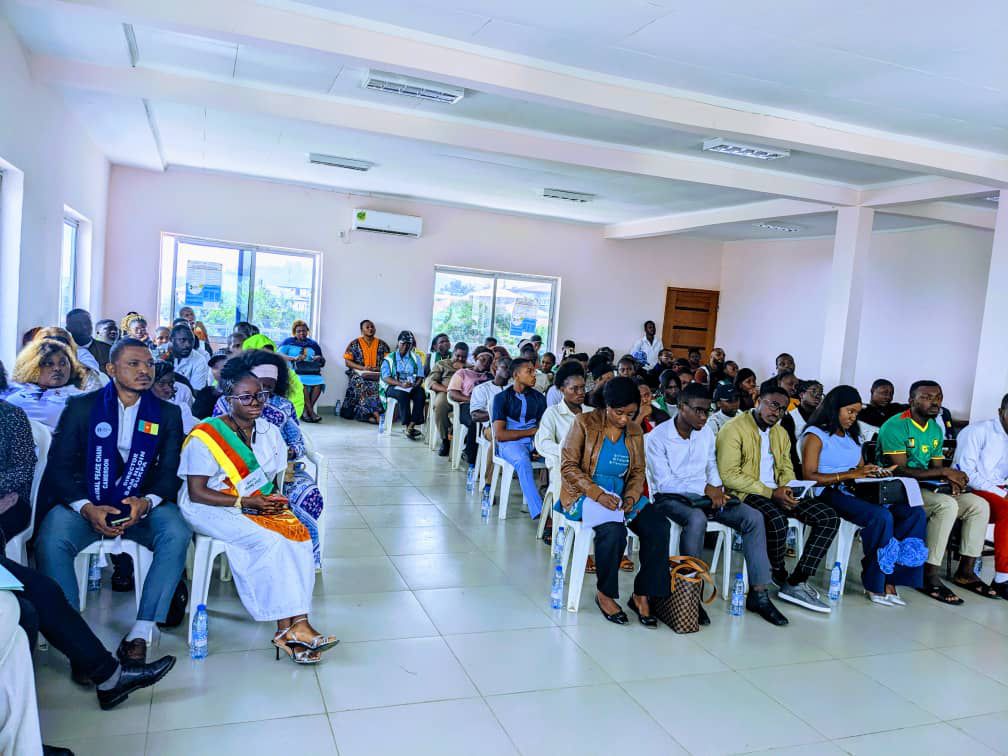
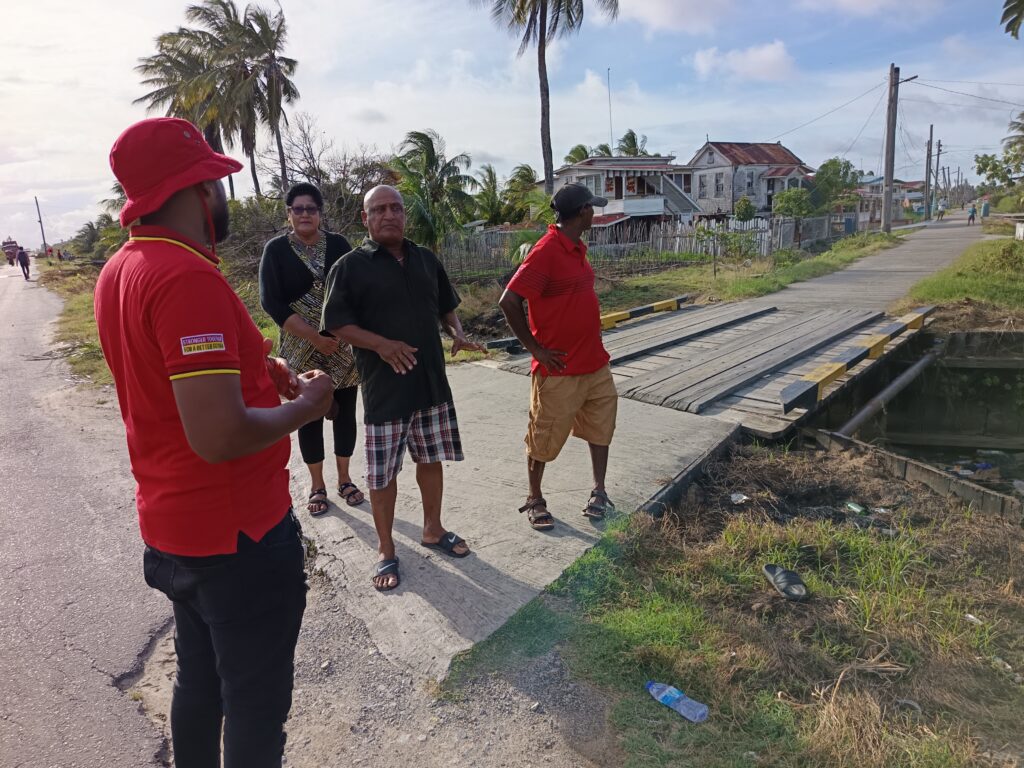
Just days later, on 25th March 2026, Global Peace Chain Guyana turned its focus to community dialogue, hosting a gathering in Woodley Park, West Coast Berbice. Residents, community leaders, and youth came together to discuss the challenges and opportunities facing their daily lives.
Several key issues emerged during the discussion:
Through these discussions, Global Peace Chain created a platform for residents to be heard, recognizing that sustainable solutions must come from the people themselves. Dialogue became a bridge between community concerns and actionable interventions, fostering trust and collective problem-solving.
For the residents of Victoria, the medical outreach was far more than a routine health check—it was a symbol of care, hope, and empowerment. Early detection of conditions such as diabetes, hypertension, and vision impairment can prevent long-term complications and transform quality of life.
One elderly participant shared:
“I didn’t realize my blood sugar was so high until today. Now I know what steps I need to take to stay healthy.”
A young mother, attending for her first eye test in years, said:
“I came for myself, but now I feel more confident about taking care of my children’s health too.”
These voices reflect the ripple effect of preventive healthcare—how one intervention can influence not just an individual, but entire families and communities.
In Woodley Park, residents’ voices were the cornerstone of meaningful change. The discussions reminded all participants that well-being extends beyond health services—it encompasses safe streets, accessible employment, reliable infrastructure, and spaces where families can flourish.
As UNICEF research shows, community participation strengthens social cohesion, accountability, and resilience. By actively listening to these concerns, Global Peace Chain ensures that programs are responsive, sustainable, and community-driven. Residents left the session with a renewed sense of purpose, knowing their voices mattered and could drive tangible change.
Both initiatives—medical outreach and community engagement—reflect a shared principle: strong communities are built on health, dialogue, and opportunity. By combining preventive healthcare services with platforms for dialogue, Global Peace Chain demonstrates that impactful change occurs when people are both cared for and empowered to act.
Healthcare provides knowledge. Dialogue fosters understanding. Together, they form the foundation of resilient communities.
Global Peace Chain Guyana’s March initiatives illustrate that even small, deliberate actions can create lasting impact. Whether through a vision test, a blood screening, or an open discussion about local challenges, every effort contributes to a healthier, safer, and more empowered community.
Sometimes, the most transformative interventions are not made in boardrooms or policy statements. They are experienced in neighborhoods, community halls, and clinics.
Health, safety, and opportunity are not just services—they are acts of peace.
They are nurtured.
They are amplified.
They are created—together.