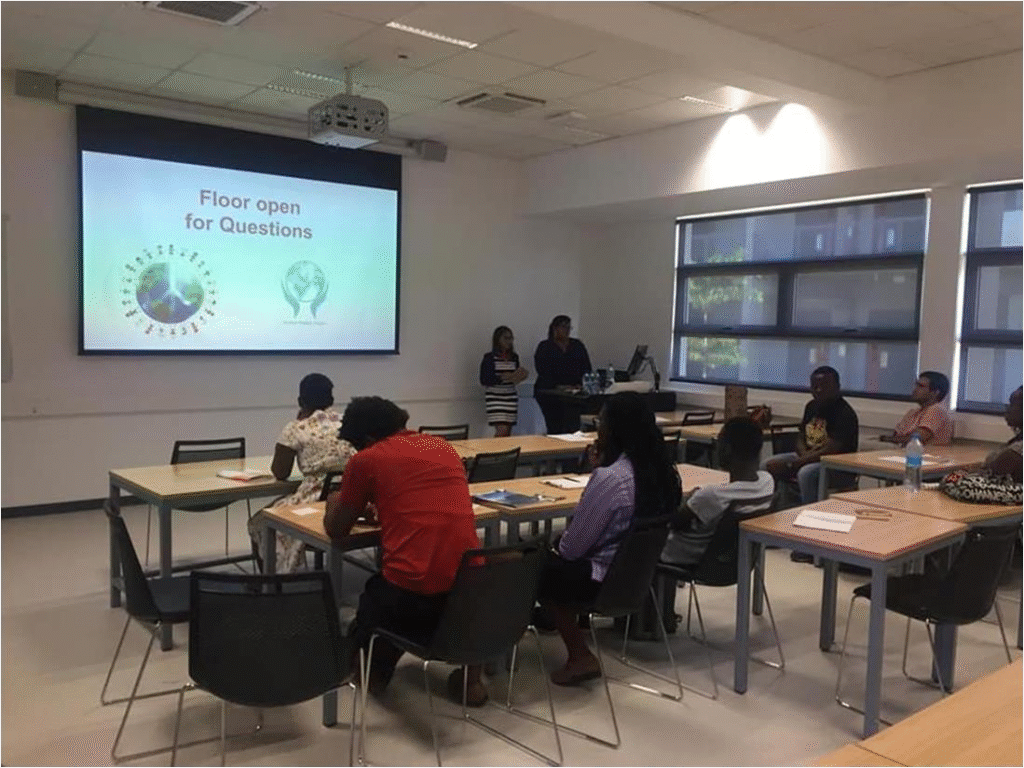
Universities are not merely institutions of higher learning; they are powerful arenas where ideas evolve into action, where youth discover purpose, and where the foundations of peaceful societies are quietly shaped. Recognizing the transformative potential of academic spaces, Global Peace Chain (GPC) initiated a series of strategic stakeholder meetings and institutional presentations across leading universities in Mauritius, including Middlesex University, the University of Mauritius, and the University of Technology. These engagements were not routine visits—they were purposeful dialogues aimed at connecting education with peacebuilding, leadership, and sustainable development in alignment with the United Nations Sustainable Development Goals (SDGs).
The visits were designed to introduce the vision, mission, and global initiatives of Global Peace Chain while building meaningful partnerships with institutions that nurture the next generation of leaders. Through these engagements, GPC sought to create a bridge between academic knowledge and practical peace action, empowering students to see themselves as contributors to global change.
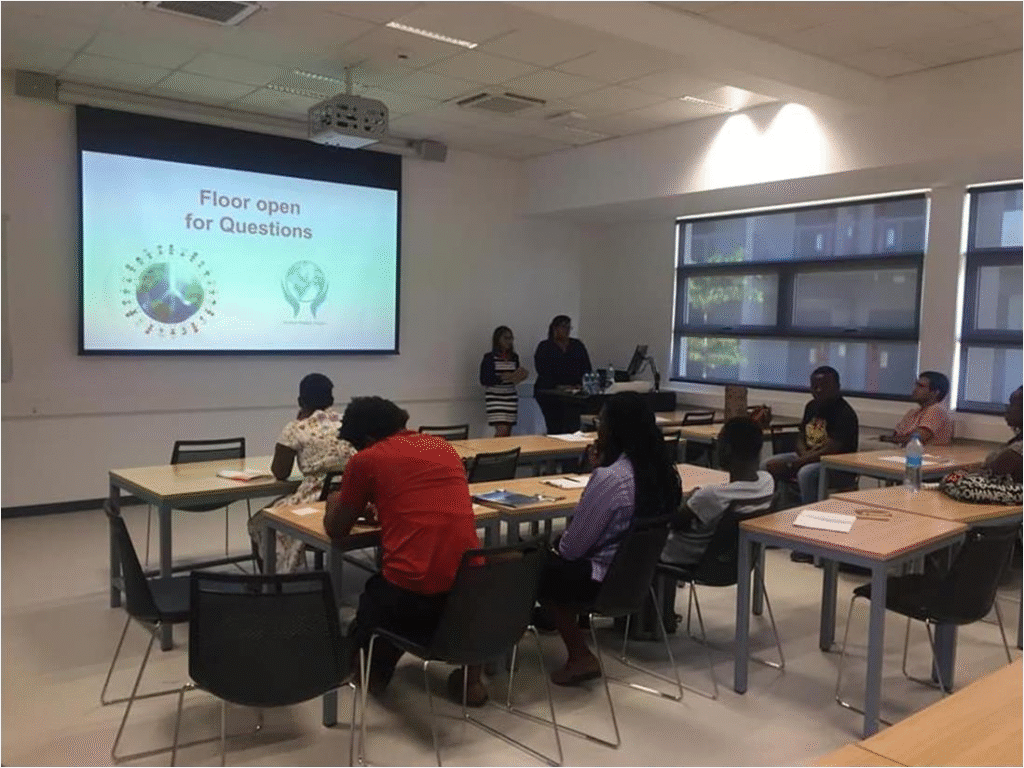
The stakeholder meetings served as platforms to present the broader global impact of Global Peace Chain and its commitment to youth empowerment. Through well-structured presentations and interactive discussions, students, faculty members, and university leadership were introduced to GPC’s international leadership programs, peace campaigns, and community-based initiatives.
Participants learned how Global Peace Chain connects young leaders across borders, enabling them to participate in dialogues, conferences, and initiatives that address pressing global challenges such as conflict, inequality, climate change, and social injustice. The presentations emphasized that youth are not passive observers of these challenges but active stakeholders capable of designing solutions.
These sessions sparked meaningful conversations about how students in Mauritius can engage in global peace platforms and contribute to initiatives that extend beyond their campuses and into their communities.
At the heart of these engagements was the understanding that education becomes truly impactful when it is connected to purpose. Global Peace Chain highlighted how academic institutions contribute directly to achieving SDG 4 (Quality Education), SDG 16 (Peace, Justice and Strong Institutions), and SDG 17 (Partnerships for the Goals).
Students were encouraged to reflect on how their fields of study—whether in technology, social sciences, business, or arts—can play a role in building inclusive societies. Discussions centered on the idea that education should not only prepare individuals for careers but also equip them with ethical values, critical thinking skills, and a sense of civic responsibility.
By aligning educational pursuits with global development goals, the meetings reinforced the idea that universities are key partners in shaping leaders who prioritize peace, justice, and sustainability.
One of the most impactful aspects of the stakeholder meetings was the open dialogue between Global Peace Chain representatives and students. These were not one-sided presentations but interactive sessions where young individuals shared their perspectives on local and global issues.
Students discussed challenges such as social inequality, youth unemployment, cultural diversity, and environmental vulnerability within the Mauritian context. In response, Global Peace Chain emphasized how youth-led initiatives and collaborative action can address these concerns through community engagement and leadership.
These conversations created a sense of shared responsibility and inspired students to view peacebuilding as an achievable and collective endeavor rather than an abstract concept.
Beyond engagement and dialogue, the meetings focused on establishing sustainable partnerships with universities. Faculty members and institutional representatives explored avenues for collaboration, including student participation in GPC programs, leadership exchanges, and peace-focused initiatives.
These discussions laid the foundation for long-term cooperation between Global Peace Chain and academic institutions in Mauritius. By building institutional relationships, GPC aims to create pathways for students to access international leadership opportunities and contribute to global peace efforts.
The initiative reflected a shared commitment to connecting education with real-world impact, ensuring that learning extends beyond lecture halls into meaningful social contribution.
A central theme throughout the engagements was youth participation. Students were encouraged to recognize their potential as peace ambassadors within their own communities. Global Peace Chain emphasized that leadership begins with small, intentional actions—initiating dialogue, promoting tolerance, and addressing societal issues through collaboration.
The sessions motivated students to see themselves not only as recipients of education but as drivers of change. By engaging with Global Peace Chain’s vision, many students expressed interest in becoming part of initiatives that promote leadership, intercultural understanding, and sustainable development.
This shift in perspective—from learners to leaders—was one of the most significant outcomes of the stakeholder meetings.
The visits to Middlesex University, the University of Mauritius, and the University of Technology highlighted the vital role universities play in promoting a culture of peace. These institutions serve as environments where diversity, dialogue, and innovation intersect.
Global Peace Chain underscored how universities can integrate peacebuilding values into student life through discussions, projects, and collaborations. By partnering with academic institutions, GPC aims to support efforts that encourage students to engage with issues of justice, equality, and sustainability.
These collaborations demonstrate how higher education institutions can act as catalysts for positive social transformation.
The stakeholder meetings in Mauritius marked an important step in expanding Global Peace Chain’s academic outreach. What began as presentations evolved into meaningful conversations about collaboration, student engagement and shared responsibility for peacebuilding.
As Global Peace Chain continues its global mission, these partnerships will play a crucial role in connecting Mauritian youth to international platforms and leadership opportunities. The initiative reaffirmed that when education, dialogue and leadership intersect, lasting impact becomes possible.
The engagements in Mauritius were more than institutional visits; they were reflections of a shared vision for a peaceful and sustainable future. By connecting with universities, Global Peace Chain demonstrated its belief that empowering youth through education is fundamental to achieving global peace.
Through continued collaboration, dialogue and partnership, Global Peace Chain remains committed to nurturing young leaders who are equipped with the knowledge, values and skills to build inclusive societies. The Mauritius stakeholder meetings stand as a testament to the power of education in shaping a generation ready to lead with purpose, empathy and responsibility.