Peace is the cornerstone of every thriving society. Without peace, development stagnates, relationships fray, and communities struggle to thrive. Recognizing this fundamental truth, Global Peace Chain (GPC) Congo continues to invest in youth-centered peacebuilding by creating spaces where dialogue, understanding, and shared responsibility can flourish.
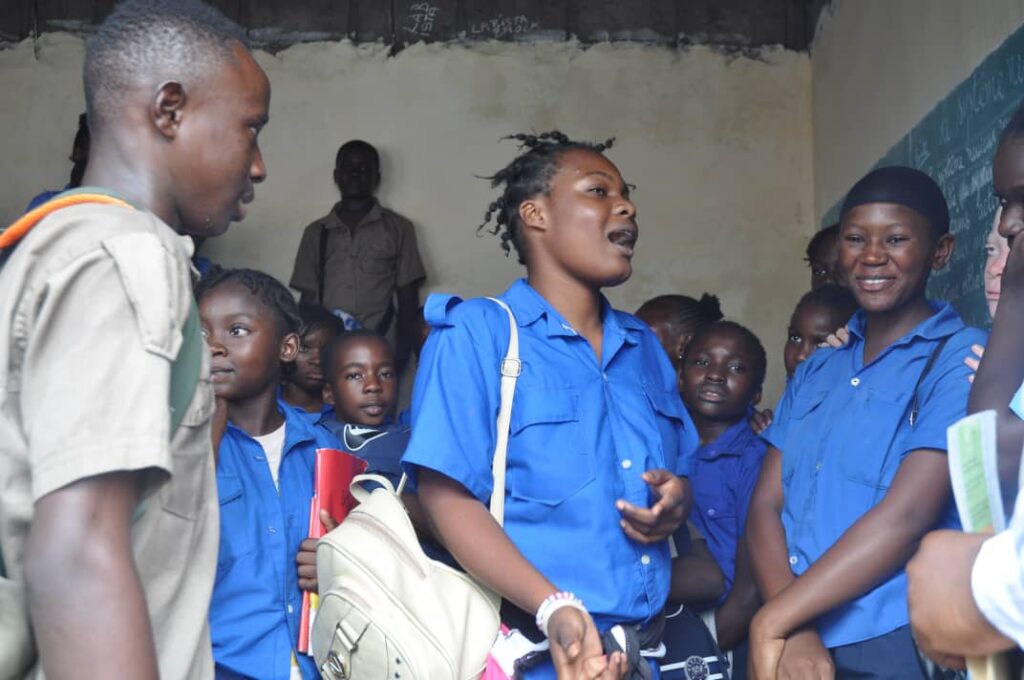
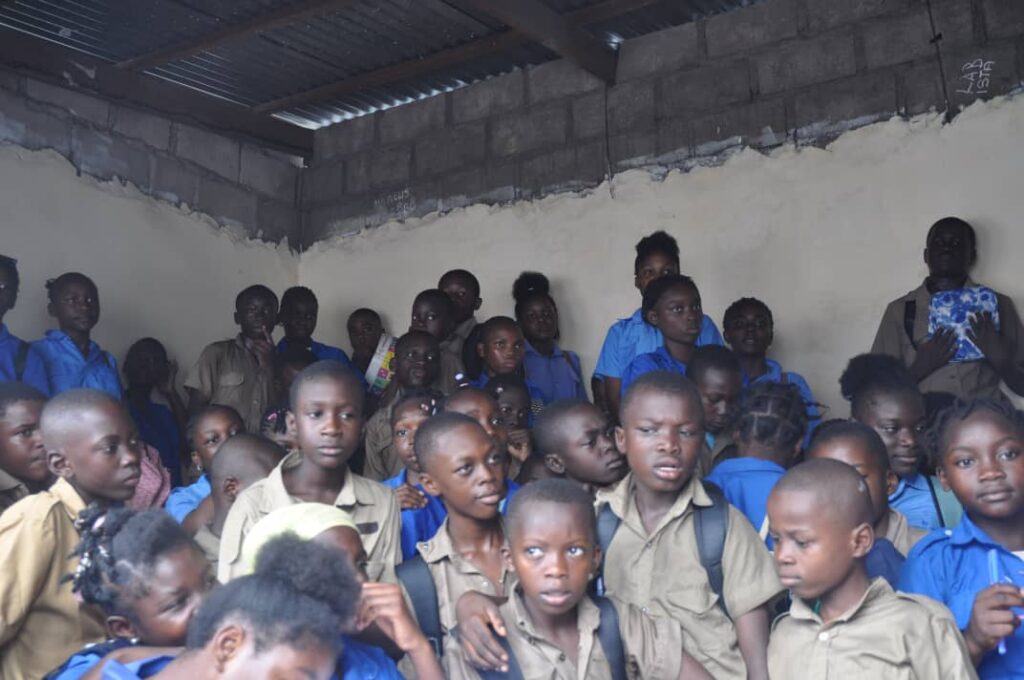
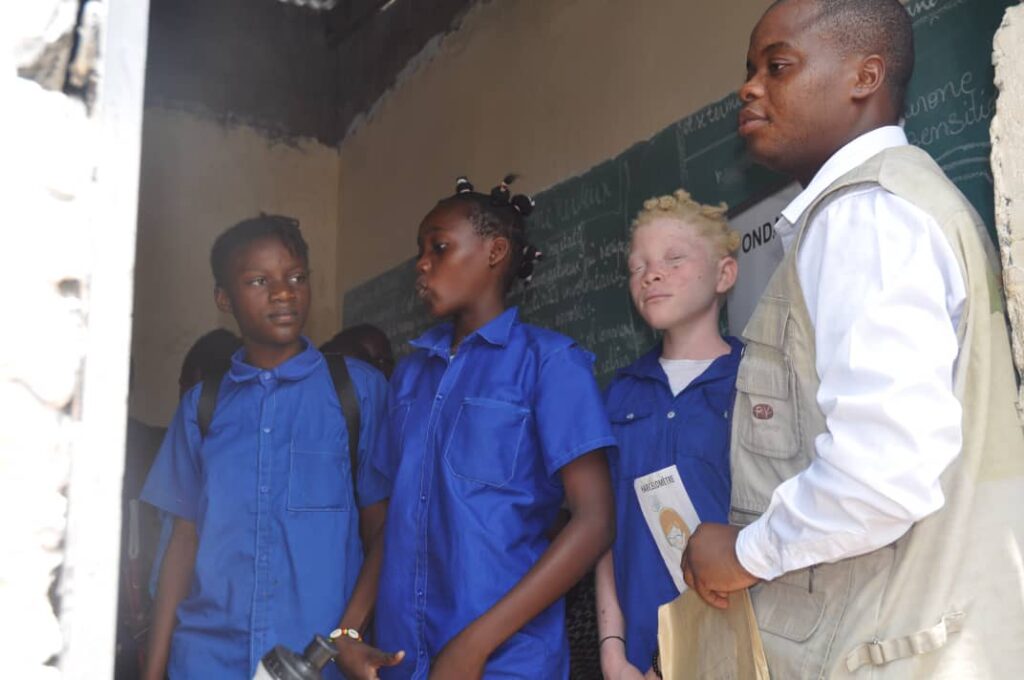
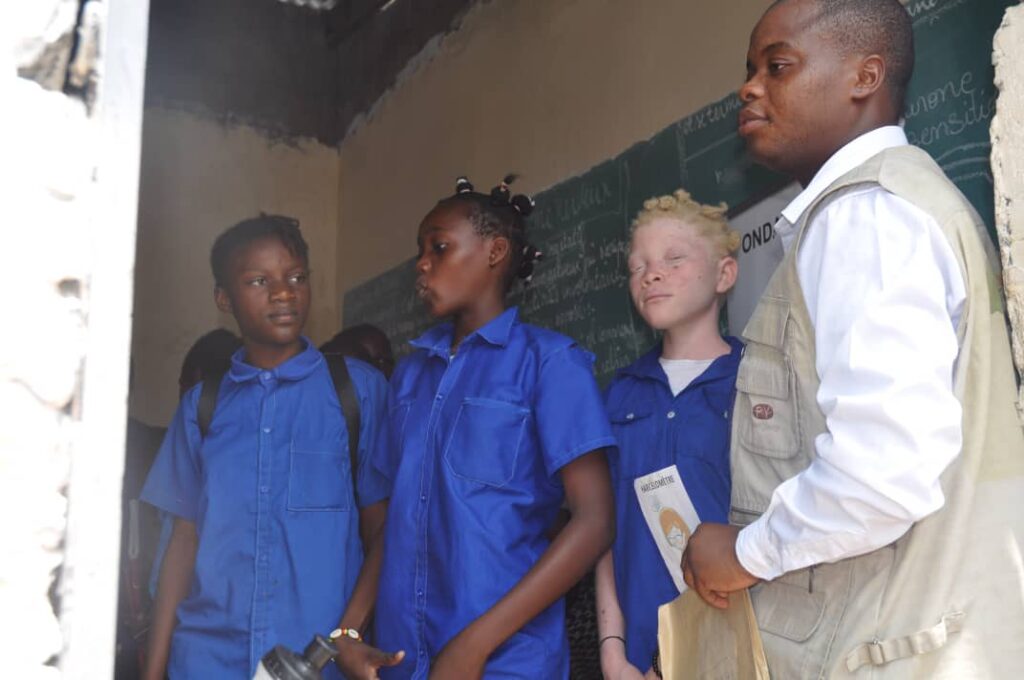
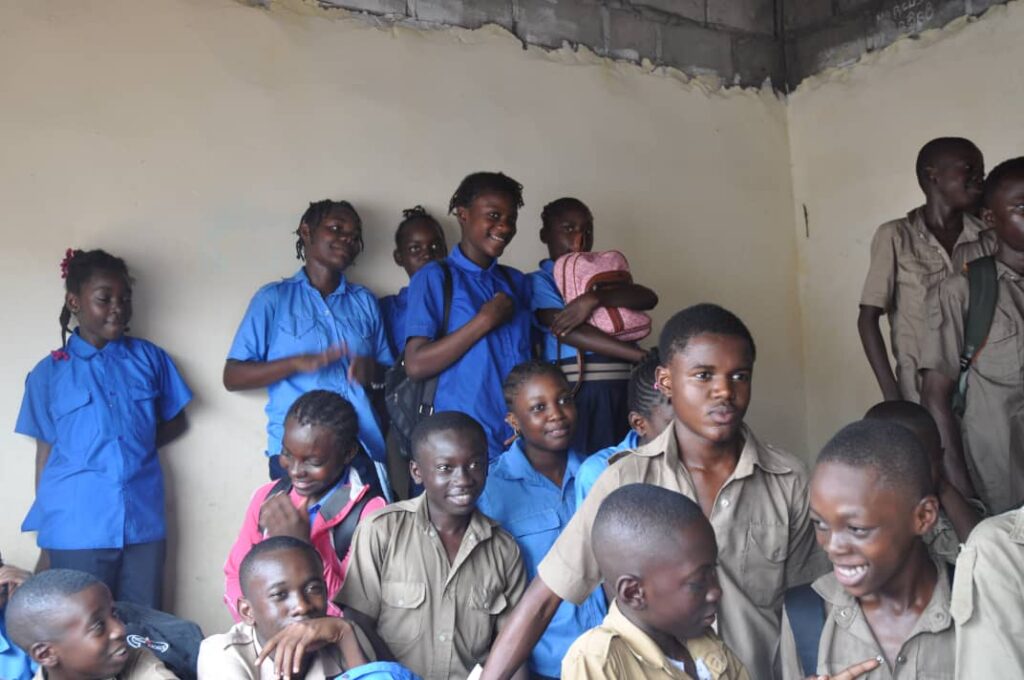
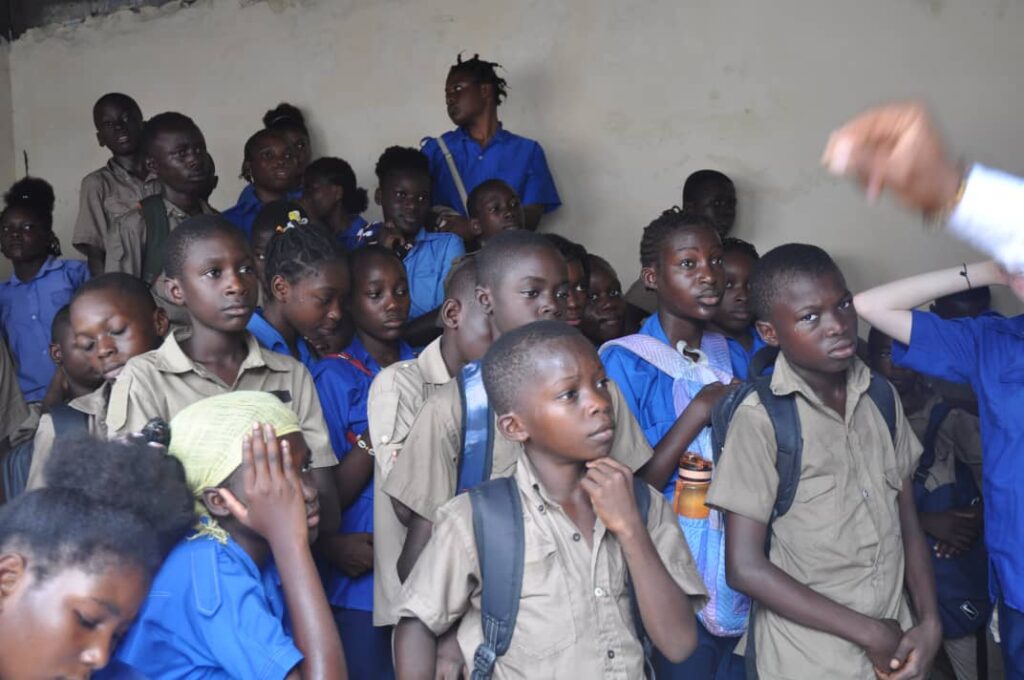
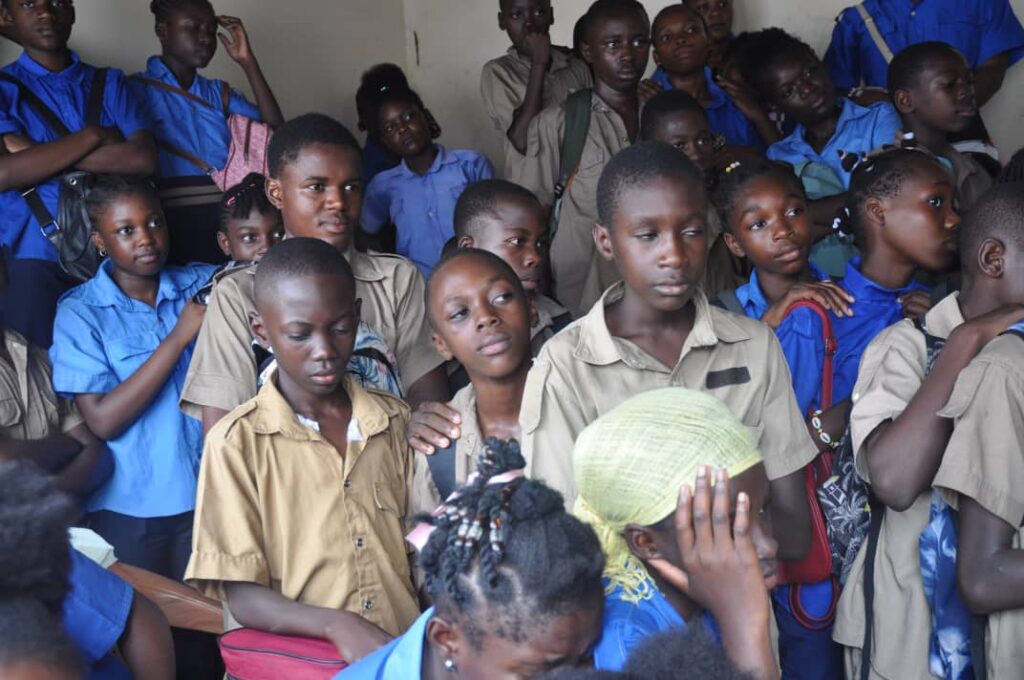
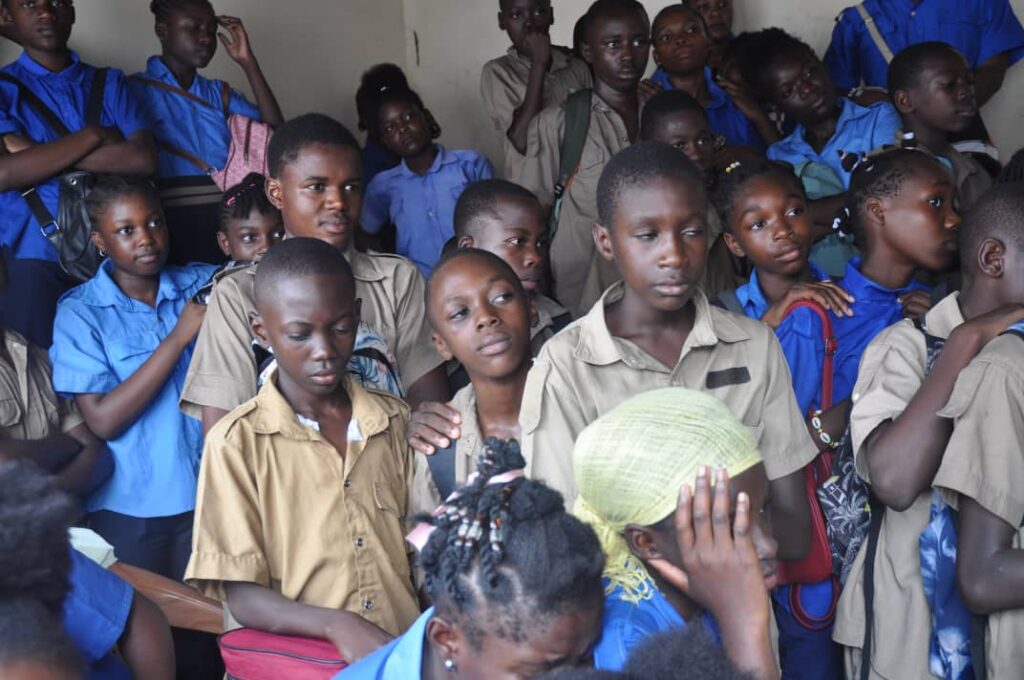
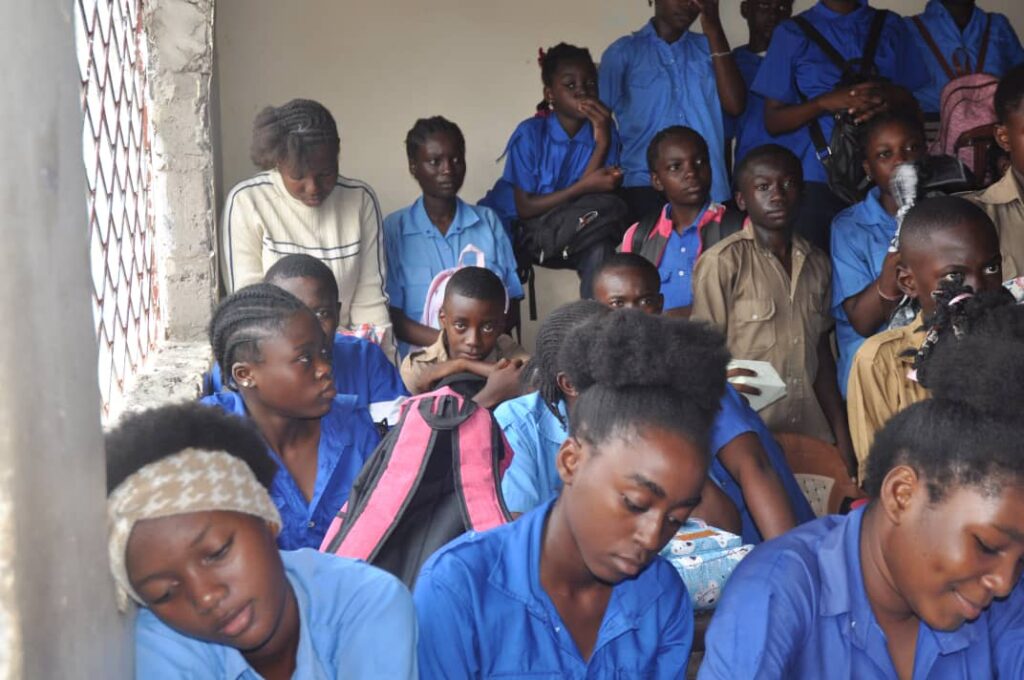
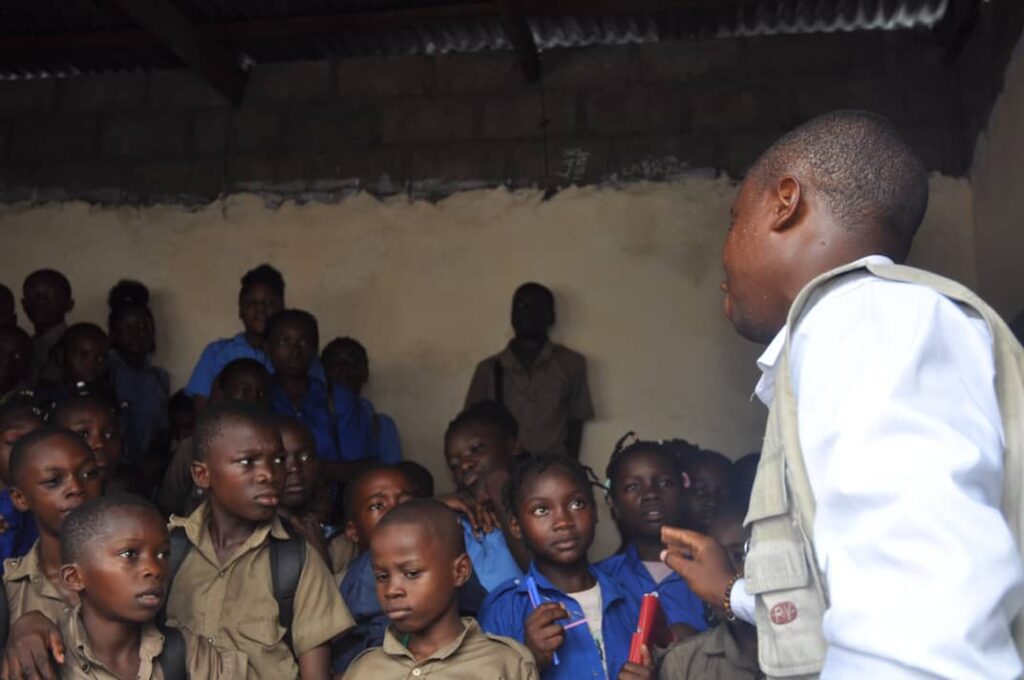
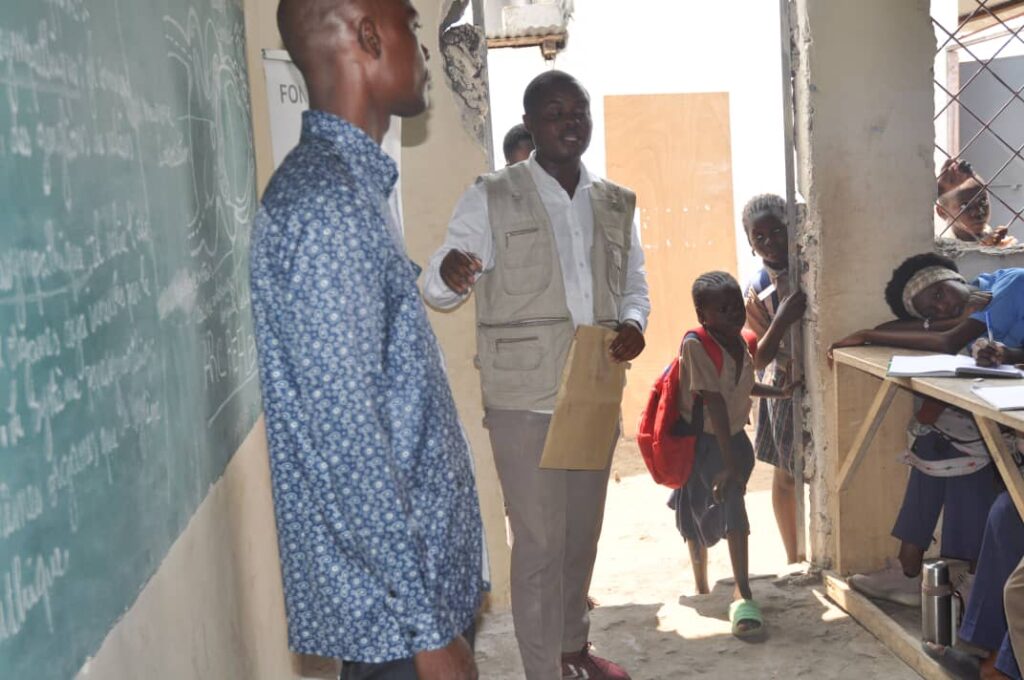
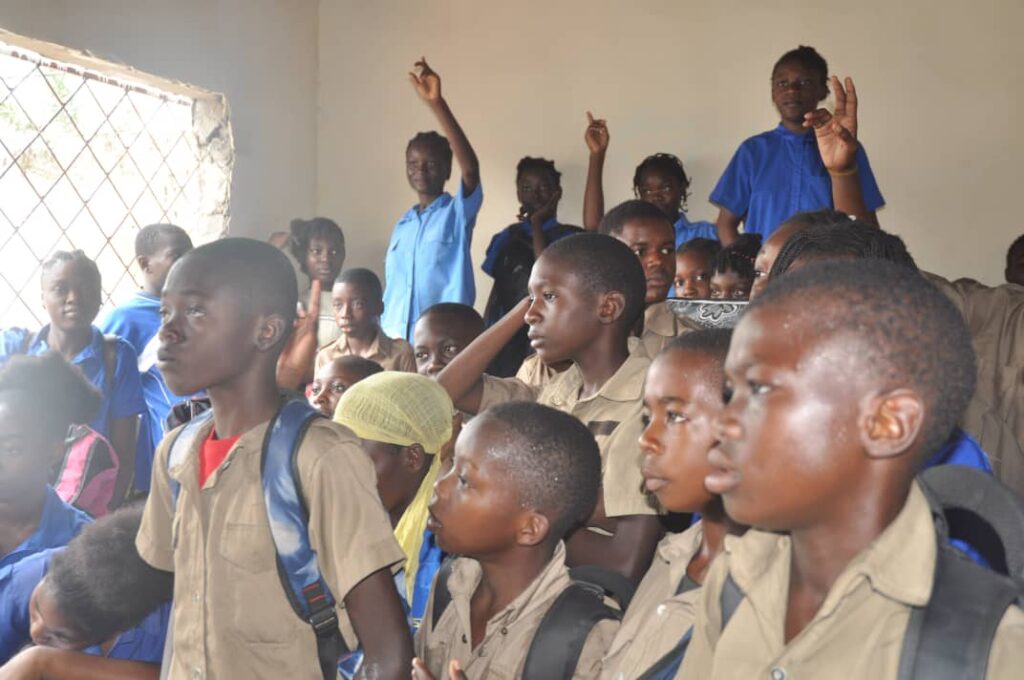
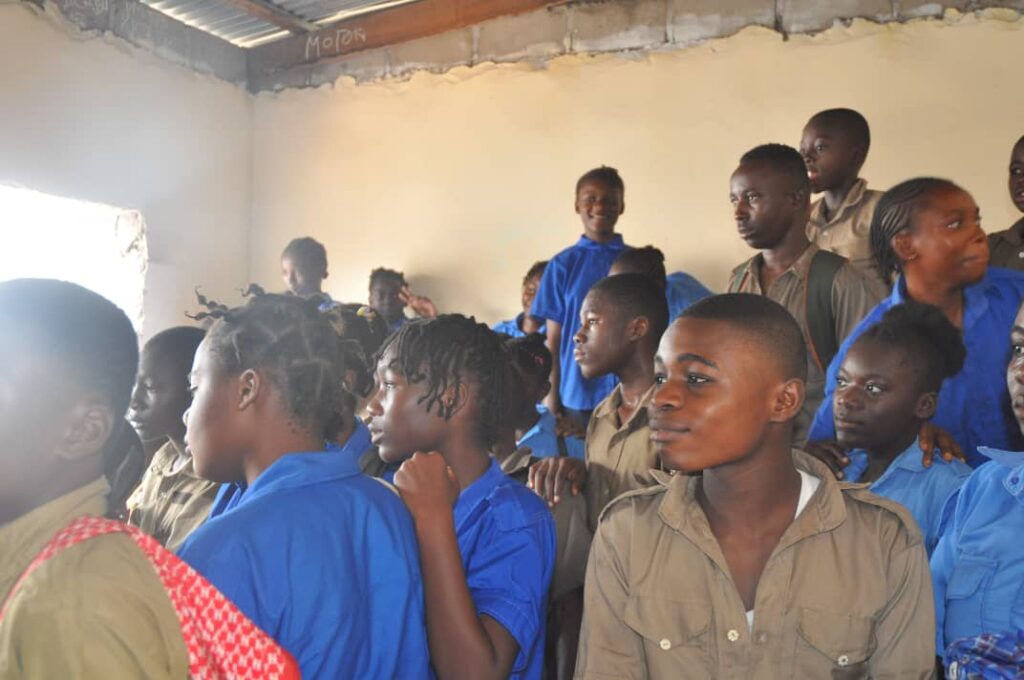
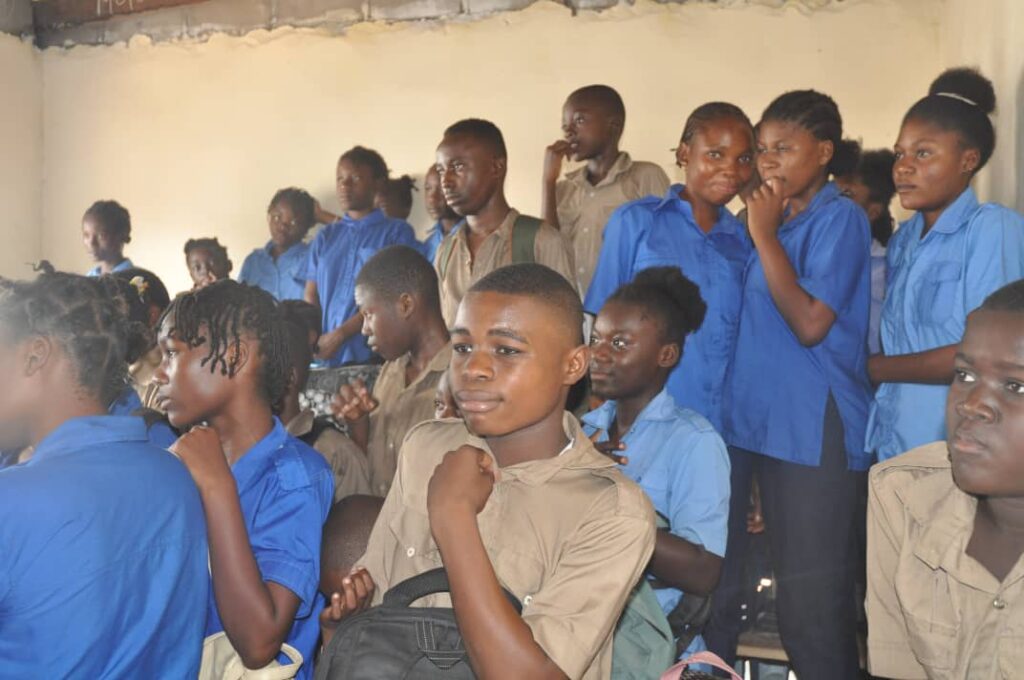
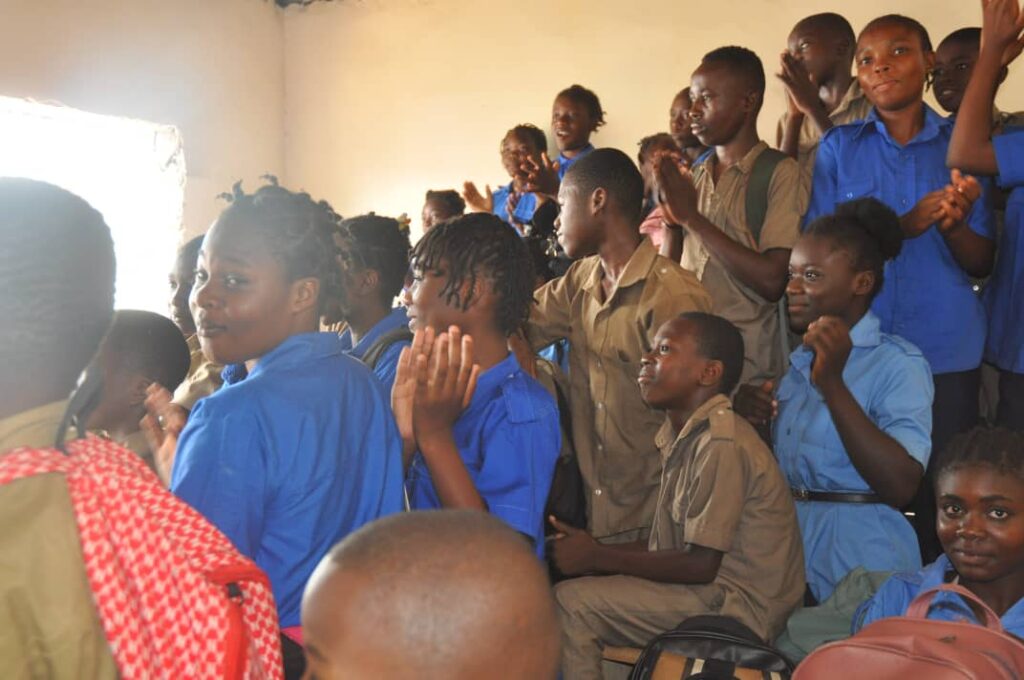
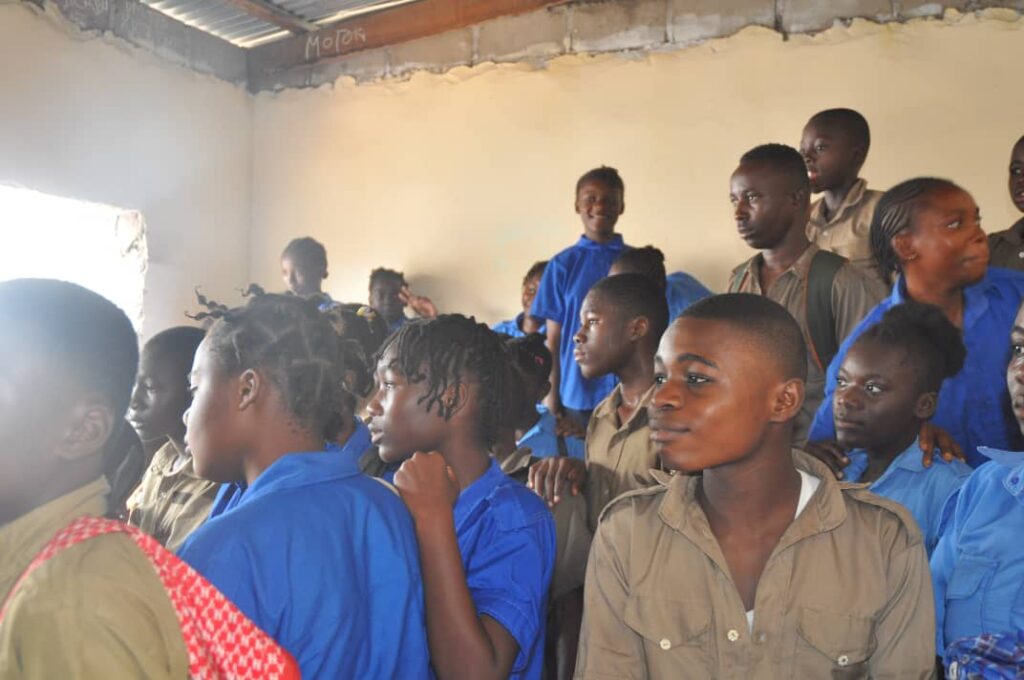
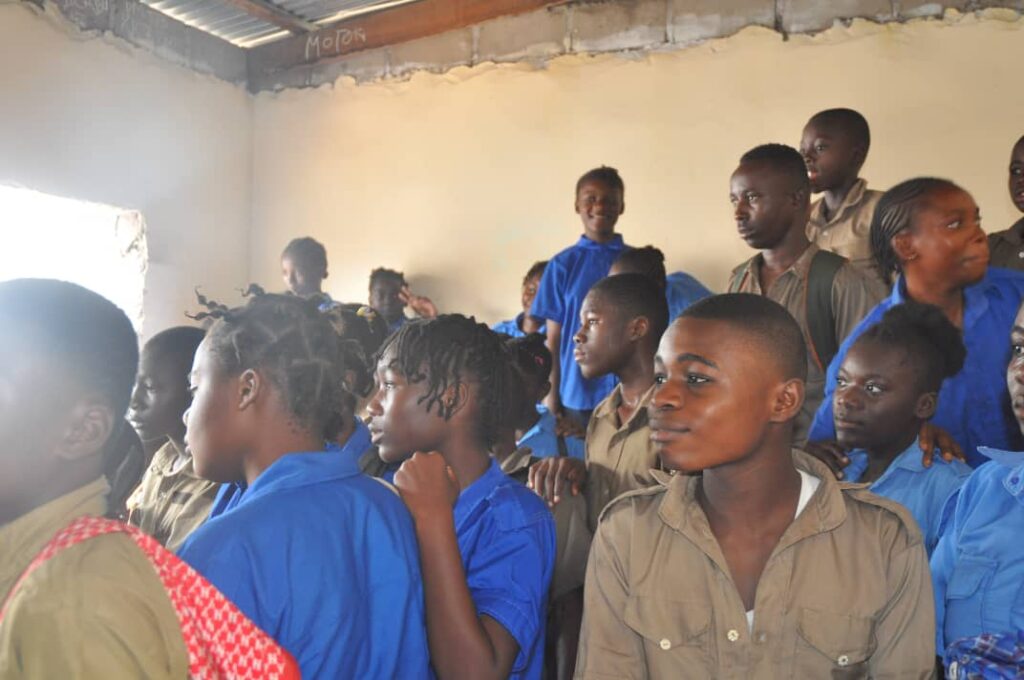
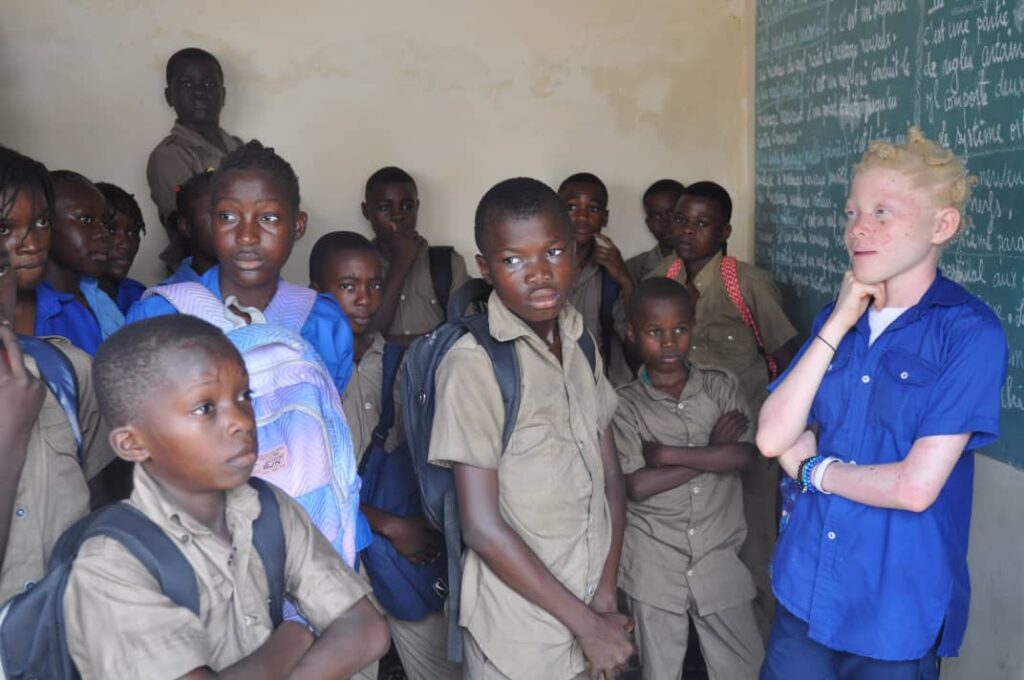
As part of its ongoing peace education initiatives, GPC Congo engaged with students in a series of interactive discussions focused on peaceful coexistence, community safety, mutual respect, and the rejection of all forms of violence. These sessions were designed to go beyond theory, encouraging students to reflect on peace as a daily practice shaped by their attitudes, choices, and interactions.
The engagement provided students with a platform to speak openly about the challenges they face, including conflict, insecurity, and social pressure, while also exploring practical ways to respond with dialogue rather than violence.
Central to the discussions was the importance of living together in harmony, respecting differences, and fostering inclusive environments where everyone feels safe and valued. Students were encouraged to recognize that peace begins at the individual level and expands outward—to families, schools, and communities.
The conversations also addressed safety and violence prevention, emphasizing the role of young people in identifying harmful behaviors and standing up against injustice, bullying, and aggression. Through shared examples and guided dialogue, participants gained a deeper understanding of how collective action and empathy can transform conflict into cooperation.
The exchanges were marked by sincerity, openness, and genuine engagement. Students actively participated, asked thoughtful questions, and shared personal experiences that highlighted both the challenges and the hope present within their communities. These moments of reflection underscored the necessity of creating consistent spaces for youth dialogue, where voices are heard and perspectives respected.
Such interactions reaffirmed that peace education is not a one-time conversation but an ongoing process—one that requires patience, commitment, and active listening.
Through this student engagement, Global Peace Chain Congo reinforced its commitment to nurturing a culture of peace rooted in education, dialogue, and inclusion. By empowering young people with the values of tolerance, responsibility, and non-violence, GPC Congo is helping to lay the groundwork for safer schools and more resilient communities.
Initiatives like this demonstrate that peace is not merely an ideal—it is a responsibility shared by all. When young people are equipped with the tools to choose dialogue over conflict, they become powerful agents of change, capable of shaping a future where peace is lived, protected, and sustained.
Global Peace Chain Congo remains dedicated to advancing peace through meaningful engagement, ensuring that the next generation understands that peace is not only the absence of violence, but the presence of understanding, dignity, and unity.